Garlic Scapes Not Forming: Softneck Versus Hardneck Types
The short answer
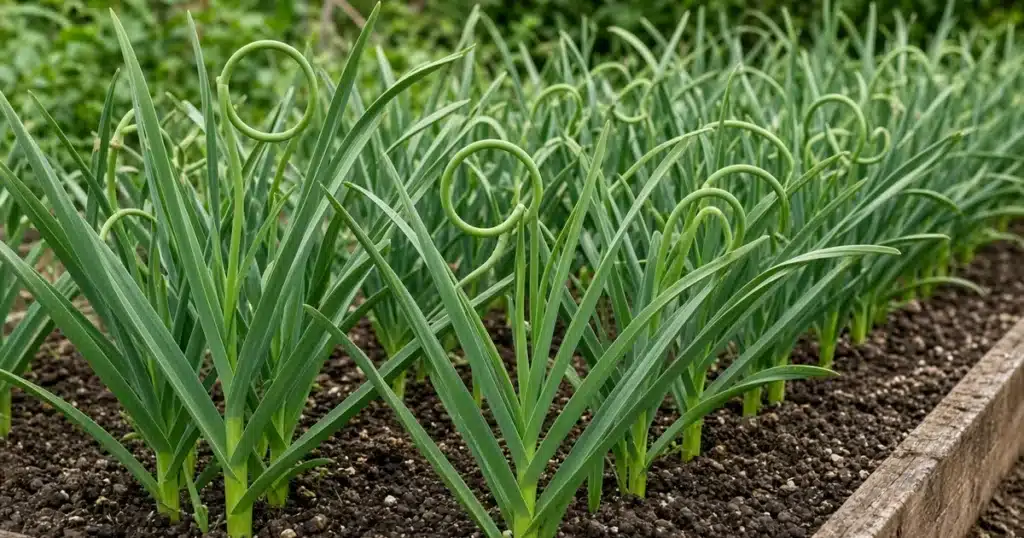
Garlic scapes not forming is usually normal for softneck garlic, which generally does not make a flower stalk. Hardneck garlic forms scapes, and Iowa State University Extension says they appear from the center of the leaves in mid to late May. If hardneck plants skip scapes, check the cloves you planted, the planting date and your climate.
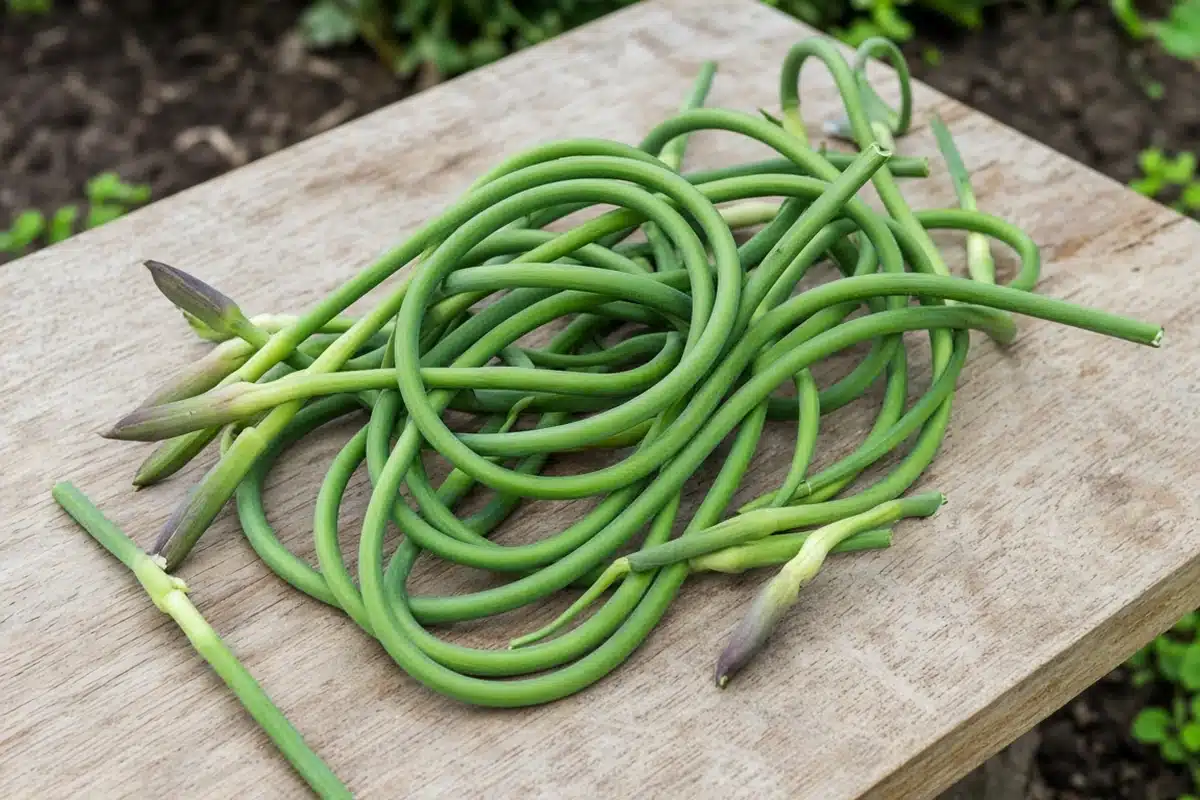
Why is my garlic not forming scapes?
Check the type of garlic first. UW Madison Extension says hardneck types all produce a woody flower stalk, called a scape, while softneck types do not. Iowa State University Extension says softneck cultivars usually do not grow a flower stalk.
Store bought cloves often explain it. Iowa State says garlic from grocery stores is usually softneck from warmer regions and not well adapted to cold climates. University of Alaska Fairbanks adds that softnecks make up most supermarket garlic. If you planted grocery garlic, expect no scapes.
Climate blurs the line. University of Alaska Fairbanks says some cultivars are true softnecks in one place but produce a flower stalk in another. It also describes weakly bolting garlics, which are genetically softneck but show hardneck traits under some conditions. UW Madison notes that traits from flower stalk formation to taste can vary by location. To choose types that suit your area, read picking the right seeds for your climate.
What is the difference between softneck and hardneck garlic?
Hardnecks are close to wild garlic. Iowa State says hardneck cloves surround the base of a hard flower stalk, and the type is also called top setting garlic because it forms bulbils at the tip of the stalk. Hardnecks grow well in cold areas but do not store as long.
Softneck garlic has no stiff stalk, so the necks can be braided. Iowa State says softneck cultivars are generally more productive and easier to store. University of Alaska Fairbanks says softneck produces more cloves per bulb and stores longer, but in cold climates hardnecks are hardier and produce larger bulbs.
| Type | Scapes | Notes |
|---|---|---|
| Hardneck | Woody scape in mid to late May | Hardier in cold areas, shorter storage |
| Softneck | Usually none | Stores longer, can be braided |
| Weakly bolting | Sometimes, by climate | Genetically softneck |
| Grocery store garlic | Usually none | Most is softneck from warm regions |
Sources: Iowa State University Extension, UW Madison Extension, University of Alaska Fairbanks Cooperative Extension.
When do garlic scapes appear?
Iowa State says hardneck garlic produces a scape from the center of the leaves in mid to late May. Harvest scapes when they are fully extended above the leaves and have begun to curl, but before the stalk straightens and the tip opens to show flower buds. Cut the stalk as low as you can without cutting any leaves.
Removing scapes helps the bulb, since Iowa State says it lets the plant put energy into bulb production instead of flowers and bulbils. Utah State University Extension says a flowering stem can be cut off to redirect more energy to the bulb.
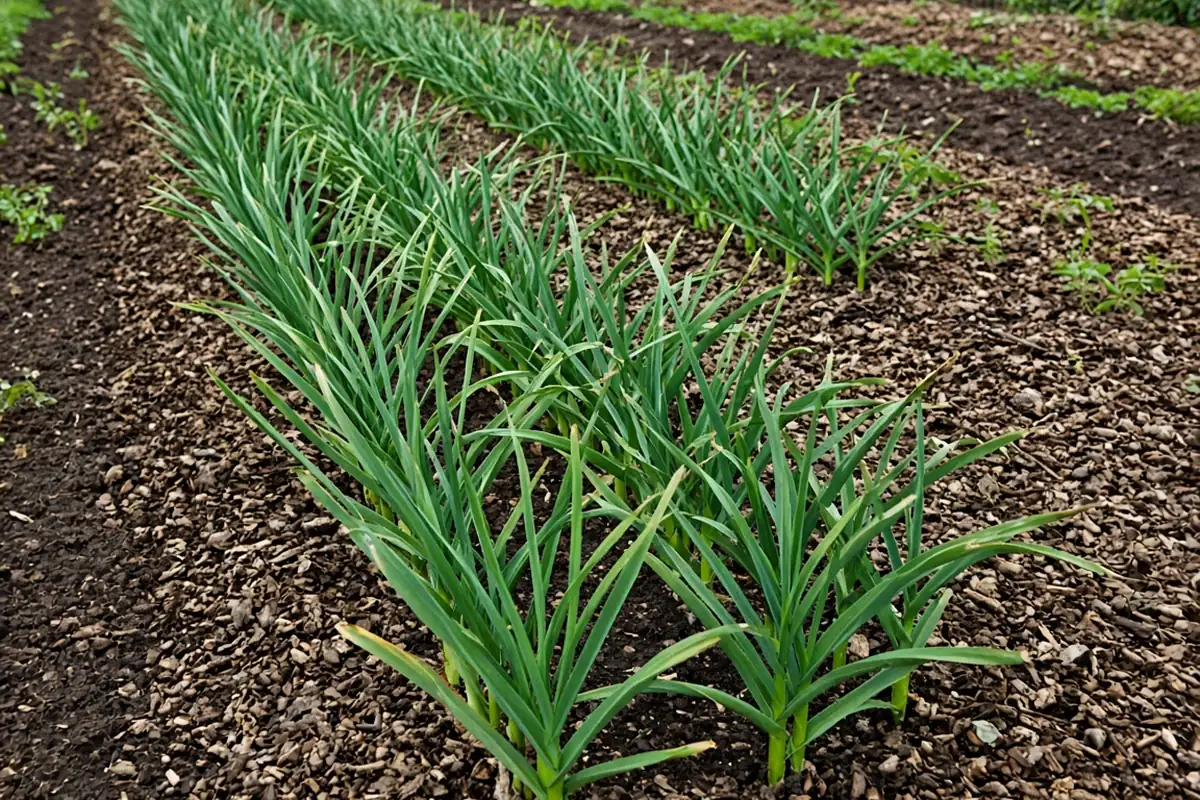
How to: step by step
- Identify whether your garlic is softneck or hardneck.
- Buy cloves from a garden center or mail order supplier, not a grocery store.
- Plant the largest cloves in fall, pointed end up.
- Mulch fall plantings with straw in cold areas.
- Expect scapes on hardneck types in mid to late May.
- Cut scapes once they curl.
- Harvest bulbs when lower leaves dry.
Iowa State says the highest yields come from the largest cloves planted in fall. Utah State says bulb growth is poor and yields low if garlic is planted in spring, and drought stress during growth reduces bulb size. Iowa State says the ideal harvest stage is when plants have 4 to 5 dry lower leaves and only 3 to 4 green upper leaves. To judge when beds are ready in fall, see when is soil ready to work.
Troubleshooting
No scapes on softneck: normal, so no action is needed.
No scapes on garlic from a store: likely softneck. Plant a named hardneck variety next fall.
Few or odd scapes on a variety that should bolt: climate. University of Alaska Fairbanks says stalk formation can vary by region.
Small bulbs: spring planting, small cloves or a dry spring. Plant large cloves in fall and keep soil moist.
Bulbs with no separate cloves: Iowa State says rounds can come from cloves that are too small, late spring planting or poor growing conditions. For more on stress, see the effects of environmental stresses on weed plants.
Know your type first
Most missing scapes just mean softneck garlic. If you want scapes, plant a hardneck variety from a garden supplier in fall. The Kind Seed Co blog has more garden help for plants beyond cannabis.
Sources
- Growing garlic in the home garden, Iowa State University Extension
- Garlic, Allium sativum, UW Madison Extension
- Growing garlic in Alaska, University of Alaska Fairbanks Cooperative Extension
- How to grow garlic in your garden, Utah State University Extension
FAQ
Should you cut garlic scapes?
Yes. Iowa State University Extension says removing the scape helps the bulb grow larger, since the plant puts energy into the bulb instead of flowers and bulbils. Cut scapes once they extend above the leaves and begin to curl, before the stalk straightens and the tip opens.
Are garlic scapes edible?
Yes. Iowa State University Extension says young scapes give a mild garlic flavor when chopped and added to eggs, salads, stir fries or pickles, or made into pesto. Harvest them while they are still immature and curling, and cut as low as you can without removing any leaves.
Which garlic type stores longer?
Softneck. Iowa State University Extension says softneck cultivars are generally more productive and easier to store than hardneck types. University of Alaska Fairbanks says softneck produces more cloves per bulb and stores longer. UW Madison notes hardneck types generally do not store well.
Can softneck garlic grow in cold areas?
Some types can. Iowa State says some softneck cultivars suit colder temperatures, though many do better in warm climates. University of Alaska Fairbanks says hardnecks are hardier in very cold areas and does not recommend softnecks there, though some weakly bolting types have done well.
When should garlic be planted?
In fall. Iowa State University Extension suggests October to early November and says the highest yields come from the largest cloves planted in fall. Utah State University Extension says garlic can be planted from mid September through early November and that spring planting gives poor bulb growth.