Dill vs Fennel: Look Alike Leaves plus Bulbs plus Seeds

Dill vs fennel is easy to confuse because both herbs have fine, feathery leaves. Both carry flat topped clusters of yellow flowers. Dill is an annual grown for leaves plus seeds. Fennel comes in two forms, an herb type plus Florence fennel with a bulb at its base.
The short answer
Dill is an annual with feathery dark green to blue green leaves. Herb fennel grows 3 to 5 feet tall with dill like foliage plus a licorice scent. Florence fennel is shorter plus forms a bulb. Sow both directly in the garden, since their taproots resist transplanting.
How do dill and fennel leaves differ?
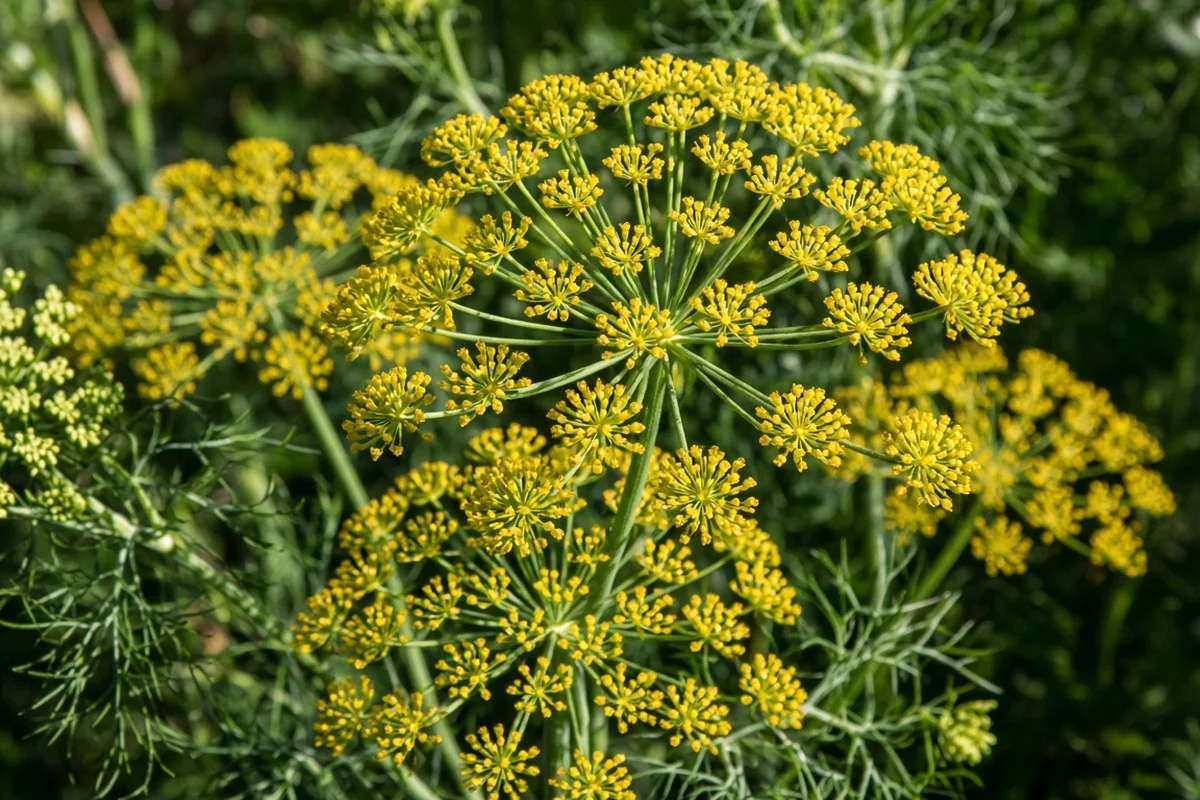
University of Illinois Extension describes dill as a tall herb with fine, feathery foliage. Its leaf color ranges from dark green to blue green. In midsummer it bears large, flat topped yellow flower clusters.
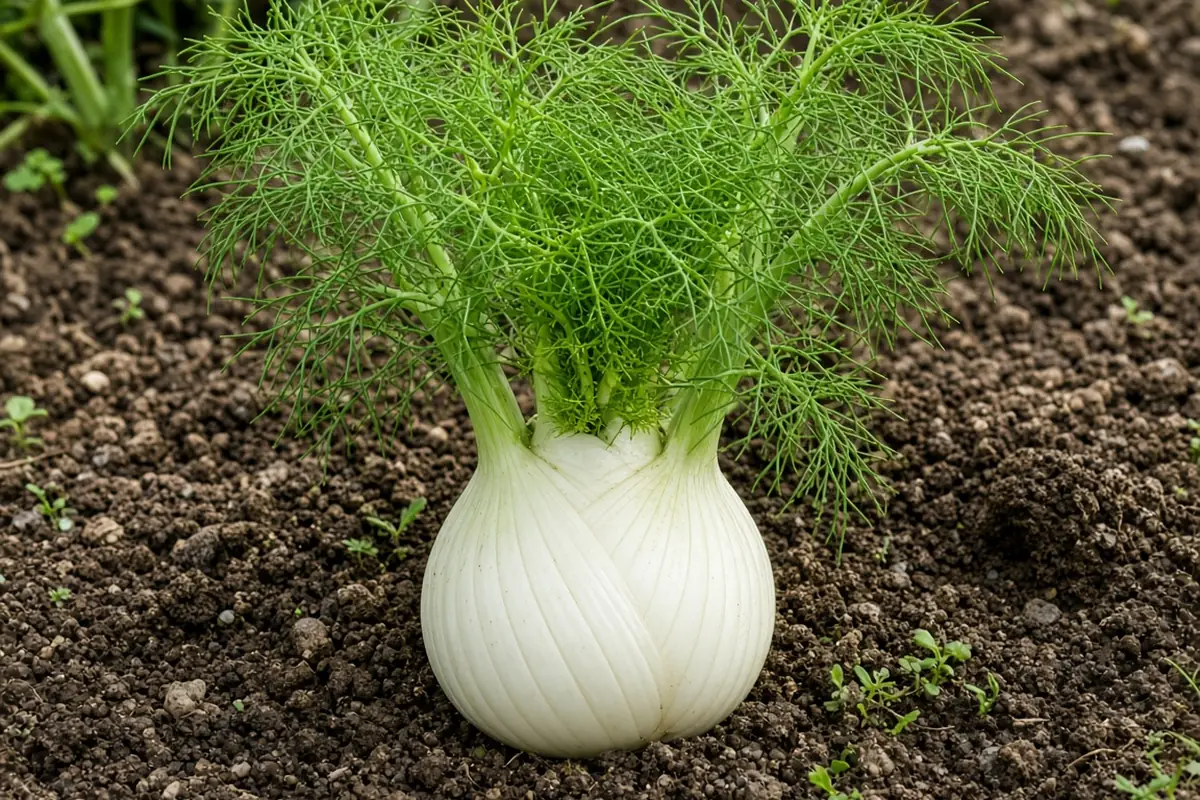
Herb fennel has fine textured foliage resembling dill. University of Wisconsin Madison Extension notes the smooth, dark green leaves are finely dissected with very narrow lobes. Fennel foliage is sweetly aromatic with an anise scent. Bronze types have purplish bronze leaves that fade to dark green.
Which one forms a bulb?
Only Florence fennel. University of Illinois Extension notes it is grown for a large, flat, thick rosette of petioles at the base. Gardeners call this a bulb. Dill plus herb fennel do not form one.
Florence fennel needs uniform soil moisture. Dry soil leads to bolting plus poor bulbs. University of Illinois Extension advises sowing from mid June to July so bulbs develop in cooler, shorter days. When bulbs reach egg size, push soil around them to blanch them.
| Trait | Dill | Fennel |
|---|---|---|
| Life cycle | Annual | Short lived perennial, zones 4a to 9b |
| Leaf color | Dark green to blue green | Dark green, bronze types too |
| Height | Tall, dwarf varieties exist | Herb type 3 to 5 feet |
| Bulb | None | Florence fennel only |
| Spring sowing | 1 to 2 weeks before last frost | After frost is past |
| Seed harvest | 2 to 3 weeks after bloom | When flower heads turn brown |
Source: University of Illinois Extension plus University of Wisconsin Madison Extension.
Should dill and fennel be planted together?
They share needs. University of Illinois Extension advises full sun plus moist, well drained soil for dill. Both forms of fennel also prefer full sun in soil rich in organic matter. Sow both directly, since taproots make them hard to transplant.
Fennel flowers draw many beneficial insects. University of Wisconsin Madison Extension lists bees, wasps, lacewings, syrphid flies plus butterflies. Fennel also hosts anise swallowtail plus black swallowtail caterpillars. In mild climates fennel readily reseeds, so deadhead plants if you want to limit spread.
How to: step by step
- Pick a full sun site with moist, well drained soil.
- Sow dill 1 to 2 weeks before the last spring frost.
- Sow herb fennel once frost has passed.
- Sow Florence fennel from mid June to July.
- Thin fennel 4 to 6 inches apart.
- Resow dill every two weeks for new leaves.
Troubleshooting
Dill declines in summer: plants fade soon after they bolt. Sow every two weeks through the season.
Florence fennel bolts: long, hot days or dry soil. Sow in midsummer plus water steadily.
Fennel spreads: it reseeds readily in mild climates. Deadhead plants before seeds fall.
For related reading see cannabis leaf anatomy, bugs or insects for a cannabis grow plus companion plants when growing marijuana. Kind Seed Co also stocks cannabis seeds.
Sources
- Dill, University of Illinois Extension
- Fennel, University of Illinois Extension
- How to grow fennel in your garden, Utah State University Extension
- Fennel, Foeniculum vulgare, University of Wisconsin Madison Extension
FAQ
How far apart should fennel be planted?
Utah State University Extension advises sowing fennel seed ¼ inch deep when soil is 50 to 75°F. Space seeds 4 to 6 inches apart in rows 18 inches apart. Seeds usually sprout in 7 to 10 days. After plants begin to bulb, thin Florence fennel to 8 to 12 inches apart.
Is fennel a perennial?
Often, yes. University of Wisconsin Madison Extension notes fennel is a short lived perennial hardy in zones 4a to 9b. It is often grown as an annual in cooler climates. Florence fennel is biennial to short lived perennial plus hardy only to zone 5a. Dill, by contrast, is grown as an annual.
When should dill be harvested?
Foliage can be cut at any time, per University of Illinois Extension. To harvest seed, let the flowers mature, usually 2 to 3 weeks after blossoms appear. Cut the seed heads plus place them in a brown paper bag. Hang the bag in a cool, dry, ventilated place so seeds drop as they dry.
Do swallowtail caterpillars feed on fennel?
Yes. University of Wisconsin Madison Extension notes fennel is a host plant for anise swallowtail plus black swallowtail caterpillars. Bronze types draw them most. Fennel has few pest problems other than root rot in very wet soils. Its flowers also draw bees, wasps, lacewings, syrphid flies plus butterflies.
Does dill come back on its own?
Often it does. University of Illinois Extension notes dill reseeds readily. Plants left in the garden in fall drop seeds that sprout the next spring. For a steady supply of leaves, sow again every two weeks through the season, because plants decline soon after they start to flower.