
Eggplant Leaves Turning Yellow: Causes plus Fixes
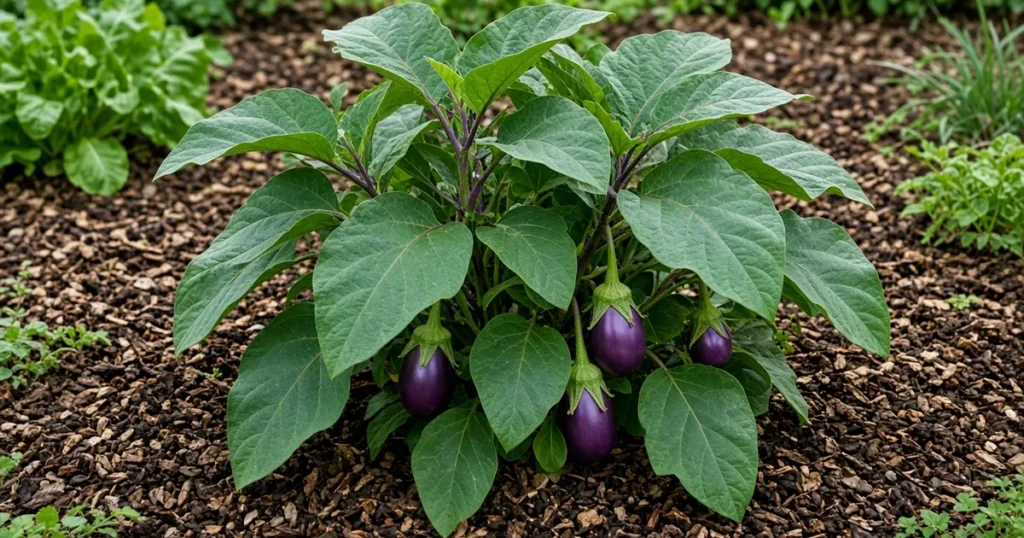
Eggplant leaves turning yellow is a sign worth reading closely. University of Minnesota Extension notes Verticillium wilt is the most common eggplant disease. It causes leaves to turn yellow plus curl inward. Uneven watering stresses plants too. Where the yellow starts helps sort one cause from the other.
The short answer
Yellowing that starts on one side or at the bottom, then wilts, points to Verticillium wilt. It cannot be reversed, but rotation plus resistant varieties help next season. Water deeply so plants get about one inch a week. Steady moisture plus proper feeding can extend the life of infected plants.
What does Verticillium wilt look like?
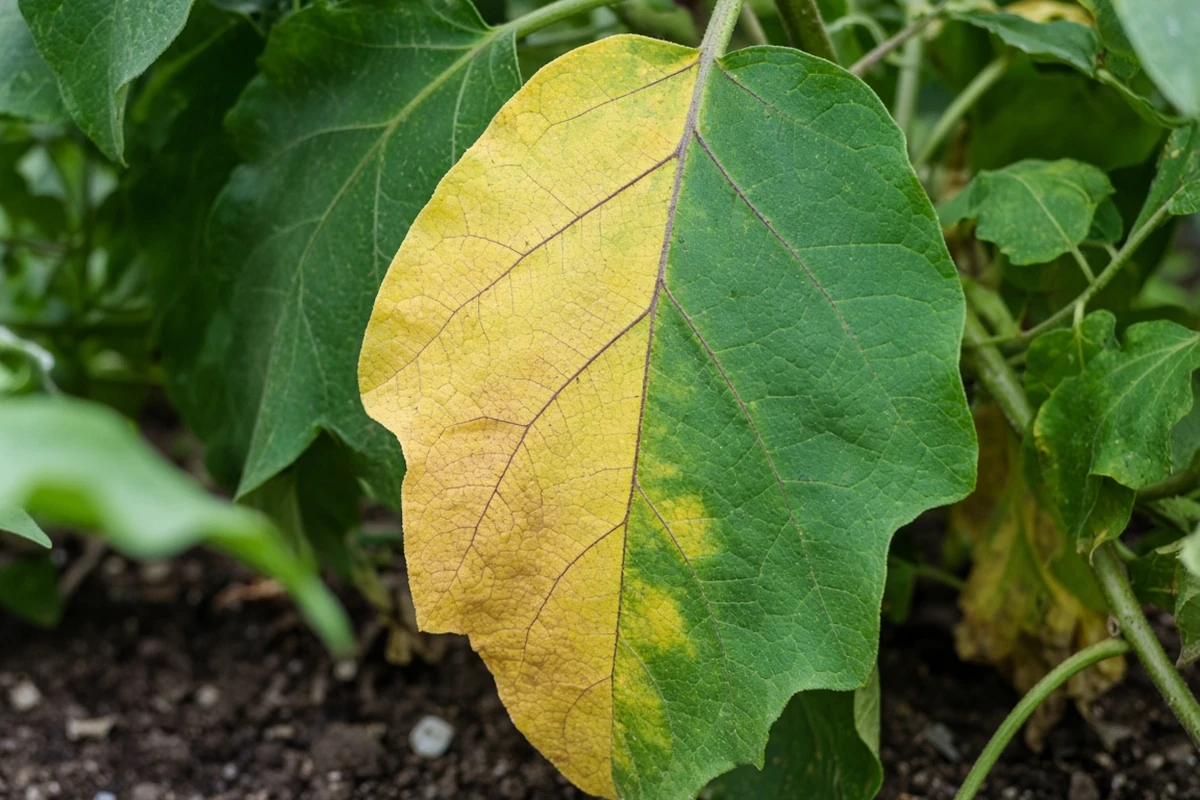
University of Wisconsin Extension notes a blotchy yellow leaf color can be an early sign of Verticillium wilt on eggplant. Yellowing often appears first on one side of a plant. The leaves then wilt plus die. Utah State University Extension notes leaves wilt from the bottom up, turn yellow, wither plus fall off.
| Sign | Likely cause | Next step | Source |
|---|---|---|---|
| Blotchy yellow leaves | Verticillium wilt | Rotate crops next year | University of Wisconsin |
| Yellow on one side, then wilting | Verticillium wilt | Grow resistant varieties | University of Wisconsin |
| Yellow leaves curling inward | Verticillium wilt | Rotate away from related crops | University of Minnesota |
| Brown streaks inside stems | Verticillium wilt | Rotate crops next year | University of Wisconsin |
| Stressed plants in dry spells | Uneven watering | About one inch a week | University of Minnesota |
Source: University of Wisconsin Extension, University of Minnesota Extension plus Utah State University Extension.
How does watering affect eggplant leaves?
University of Minnesota Extension notes consistent soil moisture gives top quality fruit. If plants do not get one inch of rain a week, it advises soaking the soil at least once a week. Clemson Extension advises watering to moisten soil at least 6 inches deep. Mulch helps hold that moisture steady.
Can yellowing from wilt be fixed?
University of Wisconsin Extension notes Verticillium wilt is typically fatal. Proper fertilizing plus watering can extend the life of infected plants. To avoid it later, do not grow highly susceptible crops in the same spot each year. University of Minnesota Extension advises skipping spots that grew tomatoes, potatoes, peppers or eggplant in the past three or four years.
How to: step by step
- Note where the yellow begins on the plant.
- Peel a stem to check for brown streaks inside.
- Give about one inch of water each week, applied deeply.
- Mulch to hold soil moisture even.
- Remove broadleaf weeds near the bed.
- Grow resistant varieties in a new spot next year.
Troubleshooting
Yellow on one side only: Verticillium wilt. Water plus feed well, then rotate next season.
Bitter fruit plus low yields: uneven soil moisture. Water deeply on a steady schedule.
Yellow leaves near broadleaf weeds: weeds can host the fungus. Pull them early.
For related reading see common cannabis plant deficiencies by leaf symptoms, overwatering and cannabis growth plus crop rotation for cannabis beds. Kind Seed Co also stocks cannabis seeds.
Sources
- Growing eggplant in home gardens, University of Minnesota Extension
- Verticillium wilt of vegetables, University of Wisconsin Extension
- Eggplant, Clemson Extension
- How to grow eggplant in your garden, Utah State University Extension
FAQ
Why are my eggplant leaves turning yellow?
University of Minnesota Extension notes Verticillium wilt, the most common eggplant disease, causes leaves to turn yellow and curl inward. University of Wisconsin Extension notes yellowing often starts on one side of the plant. Uneven watering also stresses eggplant, so check both the leaf pattern and your watering routine.
Is Verticillium wilt in eggplant fixable?
University of Wisconsin Extension notes Verticillium wilt is typically fatal. You can extend the life of infected plants by fertilizing and watering them properly. After the season, rotate crops and choose resistant varieties so the next planting gets a cleaner start.
How much water do eggplants need?
University of Minnesota Extension advises soaking the soil at least once a week if plants do not get one inch of rain. Utah State University Extension suggests 1 to 2 inches a week, applied deeply. Clemson Extension advises moistening soil at least 6 inches deep. Mulch helps hold moisture steady.
How do I avoid wilt next year?
University of Wisconsin Extension advises against growing highly susceptible crops in the same spot each year. It suggests resistant varieties, or early maturing ones when resistant types are not available. University of Minnesota Extension advises skipping spots used for tomatoes, potatoes, peppers or eggplant in the past three or four years.
Can weeds spread Verticillium wilt?
University of Wisconsin Extension notes broadleaf weeds are often susceptible to Verticillium wilt and can serve as a reservoir for the fungus. Pull them early and often around the garden. It also advises against mulch made from trees that are prone to the disease, such as maple and ash trees.



