Endive vs Escarole: Leaf Shape Plus Bitterness
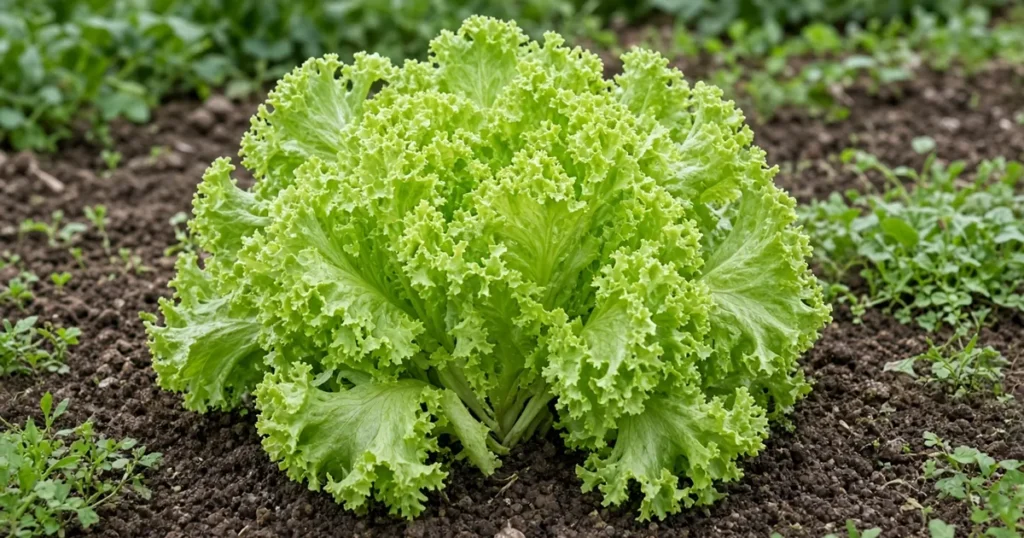
Endive vs escarole comes down to leaf shape and bitterness. Both belong to Cichorium endivia. NC State Extension says endive has curled fringed leaves, while escarole leaves are smooth, broad and less bitter. Both prefer cool temperatures and tolerate more heat than lettuce.
The short answer
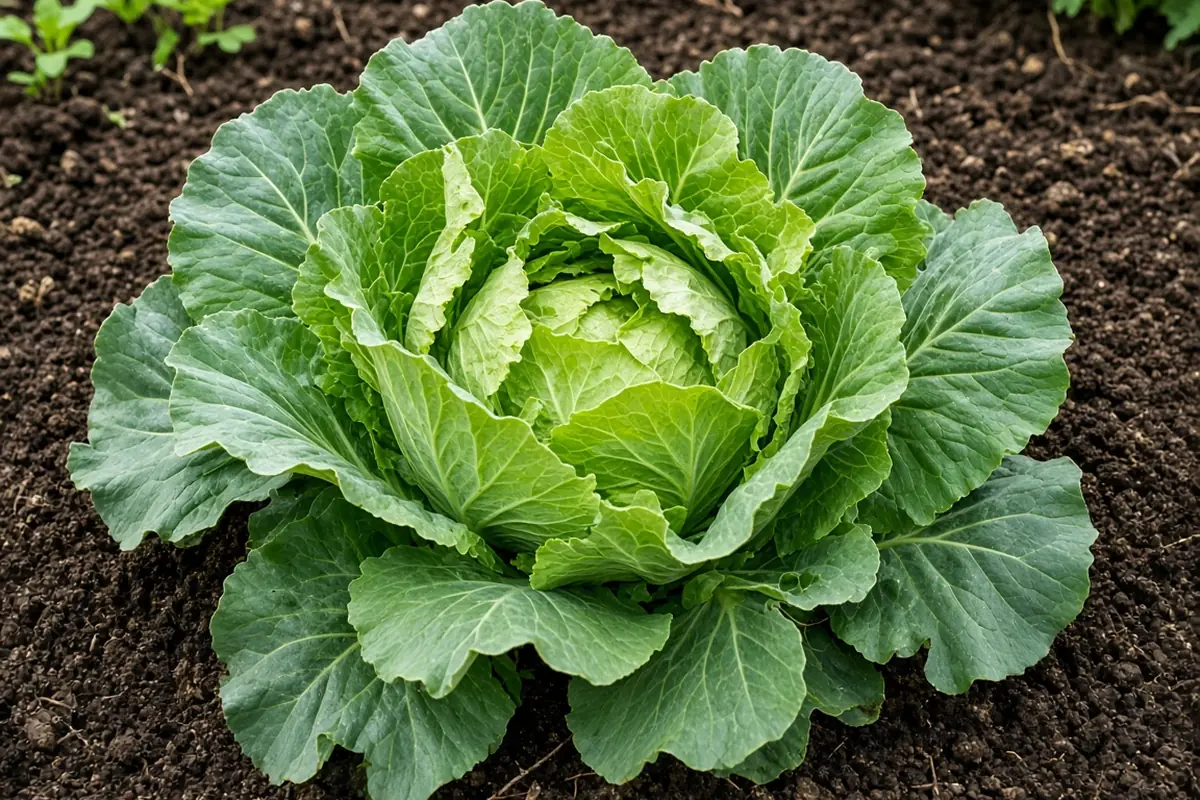
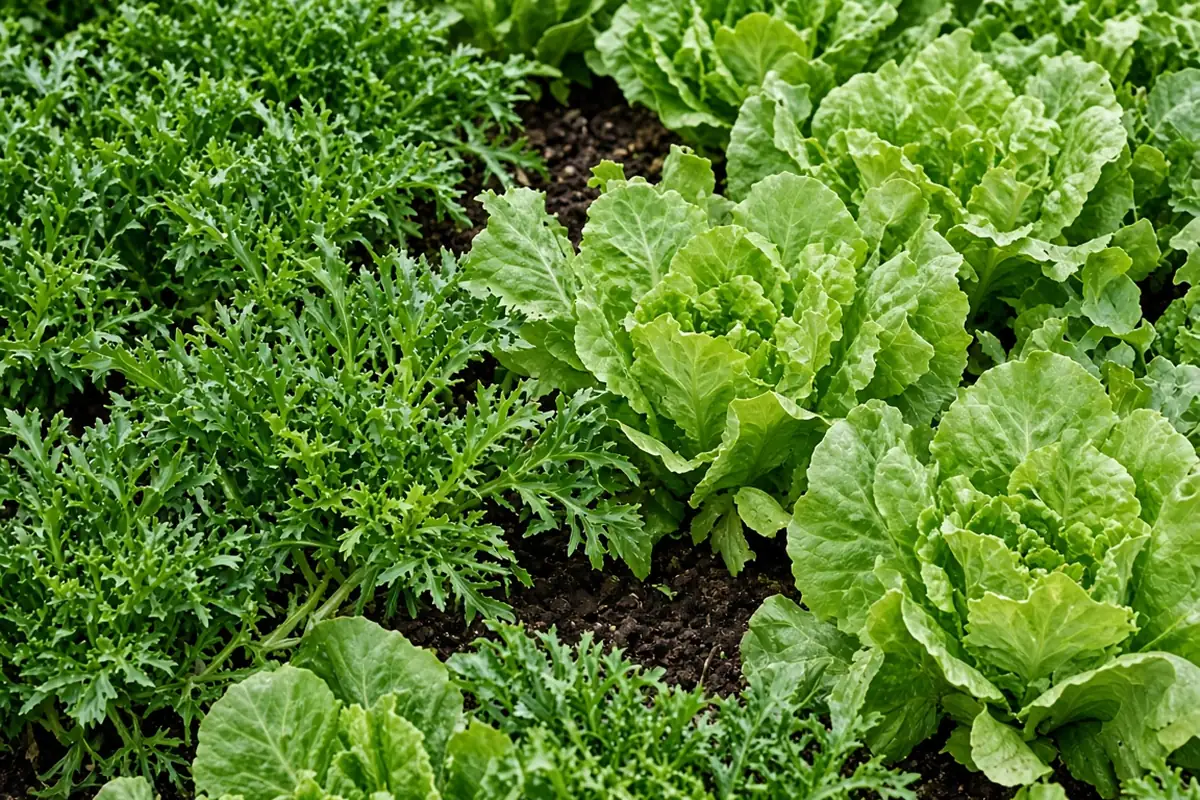
They are two forms of one species. NC State Extension lists curly endive and escarole under Cichorium endivia. Endive has curled fringed leaves. Escarole has smooth broad leaves that are less bitter. UC Master Gardeners of Sonoma County say escarole forms a broad leaf rosette that resembles loose leaf lettuce.
How do the leaves differ?
NC State Extension says endive has curled fringed leaves while escarole leaves are smooth and broad. University of Minnesota Extension calls escarole a form of endive with broader, smoother leaves.
UC Master Gardeners of Sonoma County describe three forms. Escarole is a broad leaf rosette and frisée is a curly leaf form 1 foot or more wide.
The third form is a root crop forced to produce pale bulb like growth. It goes by French or Belgian endive or witloof chicory.
Which is more bitter?
NC State Extension says escarole leaves are less bitter than endive. Sonoma County Master Gardeners note that some varieties of both are milder than others.
Heat increases bitterness. Endive tolerates more heat than lettuce but matures faster in cool weather, which tempers the flavor, according to Sonoma County.
NC State says the natural bitterness may be reduced by blanching the plant before harvest. Blanching slows the production of chlorophyll, which causes the bitter flavor.
| Trait | Endive | Escarole |
|---|---|---|
| Leaves | Curled plus fringed | Smooth plus broad |
| Bitterness | More bitter | Less bitter |
| Form | Curly leaf frisée | Broad leaf rosette |
| Species | Cichorium endivia | Cichorium endivia |
Source: NC State Extension plus UC Master Gardeners of Sonoma County.
How are they grown?
NC State Extension says to grow endive after danger of frost in full sun. Use well drained soil with a pH of 5.5 to 8.3 that retains moisture.
The growth period is about 70 to 100 days, and endives grow ideally at 60 to 65 degrees. NC State Extension notes both types may bolt and flower with short days and cool weather.
Sonoma County Master Gardeners say late summer plantings bring the most success. Sow in late August or September for a late fall plus winter harvest, allowing 60 to 90 days.
How to: step by step
- Select endive or escarole by leaf shape.
- Choose a full sun bed with well drained soil.
- Sow in late summer for a fall harvest.
- Allow about 60 to 100 days to maturity.
- Blanch heads for 1 to 3 weeks before harvest.
- Only tie heads when leaves are dry.
Troubleshooting
Very bitter leaves: summer heat. Grow in cool weather.
Plants bolting: high nitrogen. Hold nitrogen low.
Rotting centers when blanched: wet heads. Tie when dry.
For related reading see cannabis leaf anatomy, frost damage on cannabis plus companion plants when growing marijuana. Kind Seed Co also stocks cannabis seeds.
Sources
- Cichorium endivia (endive, escarole), NC State Extension Gardener Plant Toolbox
- Endive plus radicchio, UC Master Gardeners of Sonoma County
- Growing lettuce, endive plus radicchio, University of Minnesota Extension
- Chicory in the garden, Utah State University Extension
FAQ
Are endive and Belgian endive the same?
No. NC State Extension says endive may be confused with chicory or Belgian endive, a different species of the same genus with a small, tightly packed cylindrical head. University of Minnesota Extension says Belgian endive is very difficult for a home gardener to grow successfully.
What is blanching?
Blanching excludes light so inner leaves turn pale and less bitter. Sonoma County Master Gardeners say to pull outer leaves over the center and tie them a third of the way down. Cover heads for 1 to 3 weeks for fully blanched yellow or white centers.
Can endive and escarole be grown in fall?
Yes. UC Master Gardeners of Sonoma County say success comes most with late summer plantings. Sow seed in late August or September for harvest in late fall plus winter, allowing 60 to 90 days to maturity. Early spring sowings should avoid growth in the warmest months.
Do they handle frost?
NC State Extension says escarole can tolerate a mild frost once established. It advises planting endive after danger of frost has passed. NC State Extension notes both types may bolt and flower with short days and cool weather, while University of Minnesota Extension links bolting to long days and heat, so time sowings to mature before conditions turn harsh.
Why do blanched heads rot?
NC State Extension says to tie outer leaves over the head during dry conditions to prevent inner leaf rotting. Another option is to cover each plant with a container to exclude light for several weeks before harvest. Somewhat self blanching varieties are also available, NC State notes.