
Garden Behind a Shed: Using Narrow Back Strips

A garden behind a shed works with whatever light reaches that narrow strip. UC Marin Master Gardeners define full sun as 6 or more hours, part sun as 5 to 6 plus part shade as 3 to 4, which gives a simple way to rate the spot.
The short answer
Count the sun hours first. UC Marin rates 6 or more hours as full sun plus 3 to 4 as part shade. UGA Extension notes a shed should sit in a well drained area with a little shade plus be easy to reach. Maryland advises tall crops on north plus west sides.
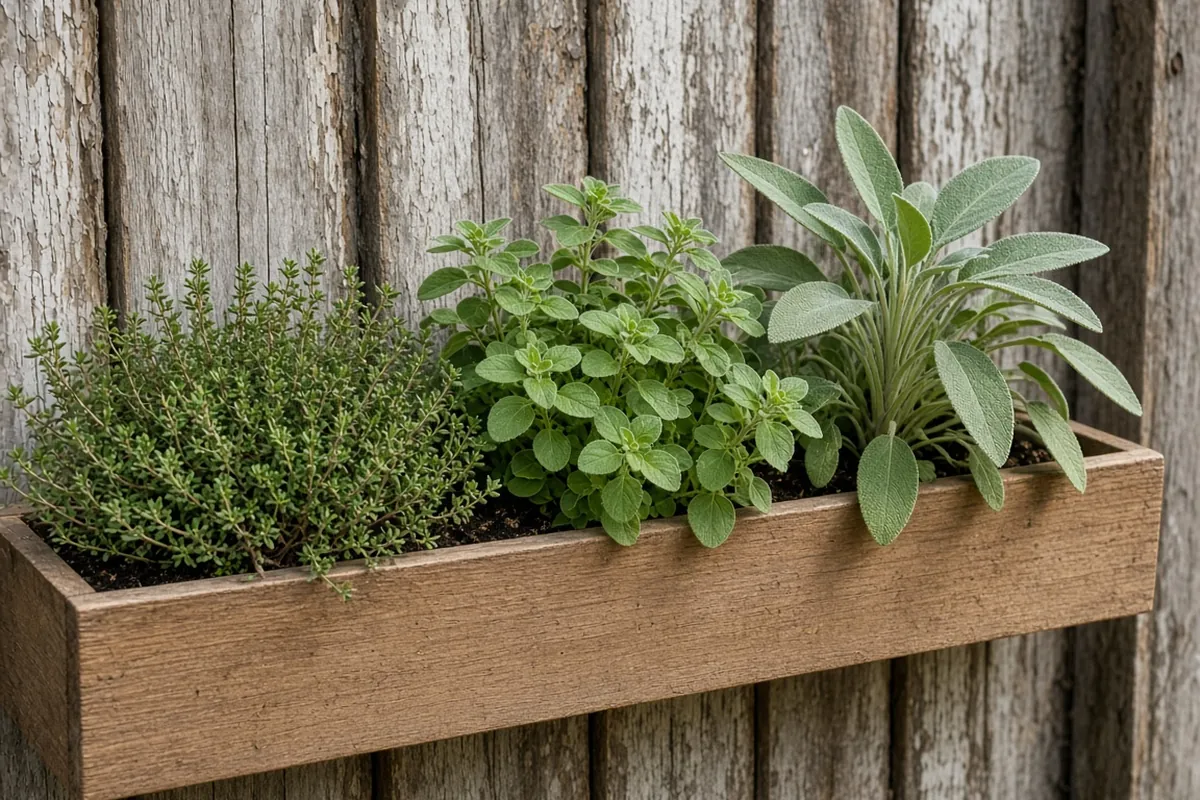
What grows behind a shed?
It depends on the light. Maryland Extension advises at least 6 hours of sun for vegetables. A strip on the south side of a shed may get that, while a north strip may get only part shade. UC Marin advises tracking sun across the day to match plants to the spot.
How do you read light in a narrow strip?
UC Marin advises a site analysis that logs sun hours at several times of day. Its bands simplify the call, as the table shows.
| Factor | Detail | Source |
|---|---|---|
| Full sun | 6 or more hours | UC Marin |
| Part sun | 5 to 6 hours | UC Marin |
| Part shade | 3 to 4 hours | UC Marin |
| Shed site | Well drained, a little shade | UGA |
| Tall crops | North plus west sides | Maryland |
| Edge | Trench 4 to 6 inches deep | Kansas State |
Source: UC Agriculture plus Natural Resources Marin Master Gardeners, University of Georgia Cooperative Extension, University of Maryland Extension plus Kansas State Research plus Extension.
How do you hold access to the shed?
UGA notes a shed should be easy to reach by a vehicle delivering materials plus by a person working in the garden. Maryland advises paths so every area can be reached for water, weeding plus harvest. Kansas State Extension notes a trench edge 4 to 6 inches deep stops grass roots from crossing into a bed.
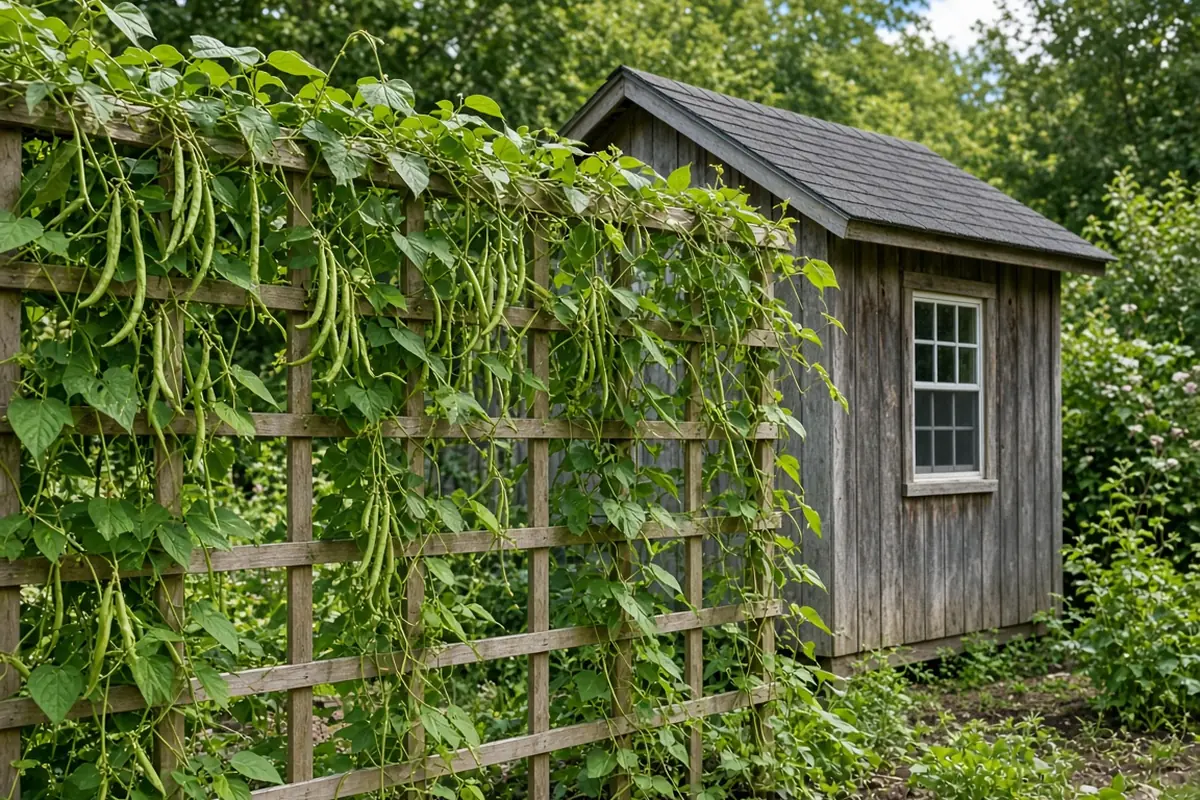
How to: step by step
- Log sun hours in the strip across a day.
- Rate it as full sun, part sun or part shade.
- Choose plants to match that rating.
- Leave an open path to the shed door.
- Set tall plants on the north plus west sides.
- Cut a trench edge between lawn plus bed.
Troubleshooting
Leggy plants: too little light. UC Marin advises matching plants to sun hours.
Grass creeps in: no edge. Kansas State notes a trench edge stops grass roots.
Door hard to reach: beds in the way. UGA advises easy access to the shed.
For siting see garden microclimates for cannabis plus planning an outdoor cannabis garden layout. Read raised beds for cannabis plus cannabis heat stress. Kind Seed Co also stocks cannabis seeds.
Sources
- Garden sheds (C1027-7), UGA Cooperative Extension
- Site analysis: getting to know your garden, UC Agriculture and Natural Resources
- Planning a vegetable garden, University of Maryland Extension
- All about edging, K-State Research and Extension, Johnson County
FAQ
How many sun hours count as full sun?
UC Marin Master Gardeners count 6 or more hours as full sun, 5 to 6 as part sun plus 3 to 4 as part shade.
Where should a shed sit in a garden?
University of Georgia Cooperative Extension notes a shed should sit in a well drained area, ideally with a little shade.
How should a shed be reached?
UGA notes a shed should be easy to reach by a vehicle delivering materials plus by a person working in the garden.
What edge suits a strip next to lawn?
Kansas State Research plus Extension notes a trench edge 4 to 6 inches deep angled toward the bed stops grass roots from crossing.
Where should tall crops go?
University of Maryland Extension advises taller crops on the north plus west sides so they do not shade shorter plants.



