
Gravel Lot Gardens: Beds and Containers Over Gravel

A gravel lot garden uses raised beds and containers set on top of gravel or old paved ground instead of digging into it. University of Delaware Extension notes raised beds make gardening possible where paving or poor soil is present, which describes most gravel lots.
The short answer
You can garden on a gravel lot by building raised beds at least a foot deep or using containers with drain holes. Lay geotextile fabric between the bed soil and the gravel below. Raise beds higher on hot surfaces and water more often, since raised beds and containers dry out faster than ground soil.

Can you garden on a gravel lot?
Yes, using beds and containers. SDSU Extension lists covering a paved area and dealing with poor soil as reasons to choose raised beds or containers. University of Delaware Extension says beds let roots grow in soil held above compacted or waterlogged sites. See how site conditions shift across a yard in garden microclimates for cannabis.
How do you set beds over gravel?
University of Delaware Extension advises a barrier fabric, specifically geotextile, between the bed soil and the ground, asphalt or concrete. It suggests at least 1 foot of depth. SDSU Extension says many vegetable roots reach 6 to 12 inches and some reach 18 to 24 inches. If the bed has a built bottom, SDSU says water must be able to drain out. Bed building basics are in raised beds for cannabis, and filling choices are in garden soil vs potting mix for cannabis.
How do you handle heat and drainage?
Hard surfaces heat up. University of Minnesota Extension says raising a bed one or two feet can reduce heat when it sits on pavement. It adds that raised beds act as containers and dry out faster than ground soil. For containers, SDSU Extension says do not add gravel to the bottom, since it creates a perched water table that leaves soil saturated, and make sure each container has drain holes. SDSU also notes most vegetables need 8 hours of sun and salad greens can get by with 4 to 6.
Gravel lot setup guide
| Item | Guidance | Source |
|---|---|---|
| Bed depth | At least 1 ft | Delaware |
| Base layer | Geotextile fabric | Delaware |
| Bed height on hot ground | Raise 1 to 2 ft | Minnesota |
| Containers | Drain holes, no gravel layer | SDSU |
| Sun | 8 hours for most vegetables | SDSU |
Sources: SDSU Extension, University of Minnesota Extension, University of Delaware Extension.
How to: step by step
- Note the lot’s past use and sun.
- Lay geotextile fabric where beds will go.
- Build beds at least a foot deep.
- Fill with imported soil and compost.
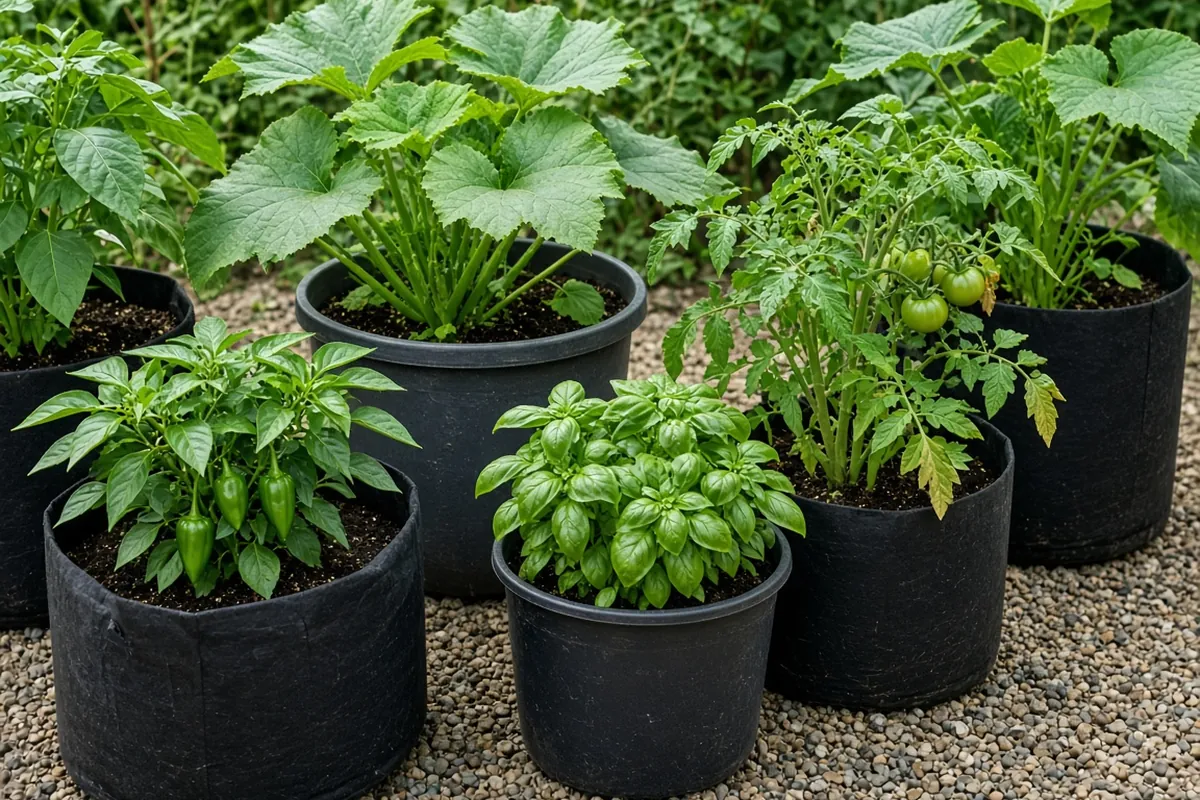
- Set containers with drain holes on the gravel.
- Water often in hot weather.
Troubleshooting
Soil dries fast: heat from gravel. Mulch and water more often.
Wet, sour soil in pots: gravel layer or no drain holes. Remove the layer and add holes.
Weak growth: too little sun. Move beds to the lot’s sunniest spot.
Kind Seed Co shares more garden notes on the blog.
Sources
- Gardening in raised beds and containers in the Northern Great Plains (P-00301), South Dakota State University Extension
- Raised bed gardens, University of Minnesota Extension
- Raised bed gardening, University of Delaware Cooperative Extension
FAQ
Do you need to remove gravel first?
Not always. University of Delaware Extension says raised beds make gardening possible where paving or poor soil is present. SDSU Extension lists covering a paved area as a reason to choose raised beds or containers.
How deep should beds be over gravel?
University of Delaware Extension suggests at least 1 foot of soil depth. SDSU Extension notes many vegetable roots grow 6 to 12 inches deep and some reach 18 to 24 inches, so deeper beds suit those crops.
Can containers sit on gravel?
Yes, if they drain. SDSU Extension says to make sure containers have drain holes. Over a hot surface, University of Minnesota Extension notes raising a bed one or two feet can reduce heat.
How much sun does a gravel lot garden need?
SDSU Extension says most vegetables need 8 hours of sun, while salad greens can get by with 4 to 6. Put beds in the sunniest part of the lot.
Should you put gravel in the bottom of a pot?
No. SDSU Extension says rocks or gravel in a container create a perched water table that holds water above the layer and can leave roots saturated.



