
Grow Light for Acalypha: Chenille Plant and Copperleaf Indoors
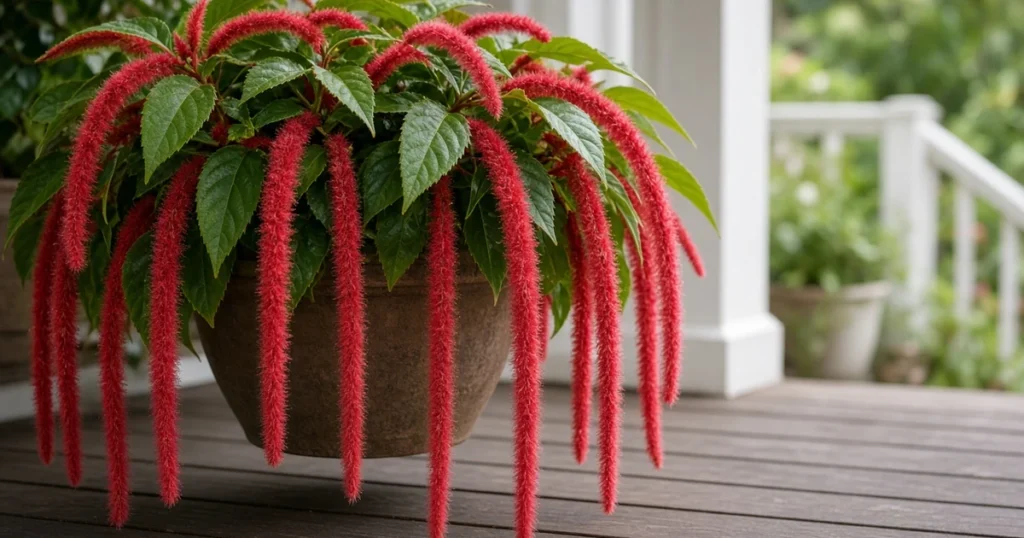
A grow light for acalypha helps chenille plant form its red tassel flowers plus helps copperleaf hold bold leaf color indoors. Both are tropical shrubs.
The short answer
NC State Extension notes chenille plant prefers full sun to partial shade plus needs high humidity indoors. University of Missouri Extension notes supplemental electric light is usually the easiest way to give plants enough light indoors. Use a full spectrum LED close above the plant on a timer.
How much light does chenille plant need indoors?
NC State Extension notes copperleaf shows its richest leaf color in full sun but tolerates light shade. It can winter indoors but requires bright light plus steady moisture. Missouri notes high light plants need at least 1,000 footcandles.
| Factor | Target | Why |
|---|---|---|
| Light level | At least 1,000 footcandles | High light plants (Missouri) |
| Lamp distance | Plant tips 6 to 12 inches away | Light drops fast with distance (Missouri) |
| Hours with window light | 12 to 14 hours | Supplements daylight (Missouri) |
| Daily maximum | No more than 16 hours | Plants need darkness (Maryland) |
| Indoor temperature | Above 60 degrees Fahrenheit | Chenille plant needs warmth (NC State) |
Source: NC State, University of Missouri plus University of Maryland Extension.
Where should a grow light sit for chenille plant?
Missouri advises placing most plants with their tips 6 to 12 inches from the light source, since intensity drops rapidly with distance. Hang the fixture so it can rise as the plant grows.
How many hours should the light run?
Missouri notes plants with no outdoor light need 16 to 18 hours a day, while 12 to 14 hours may do if some window light reaches them. Maryland advises no more than 16 hours in total. Run lights alongside window light, per Missouri.
How to: step by step
- Set chenille plant in your sunniest window.
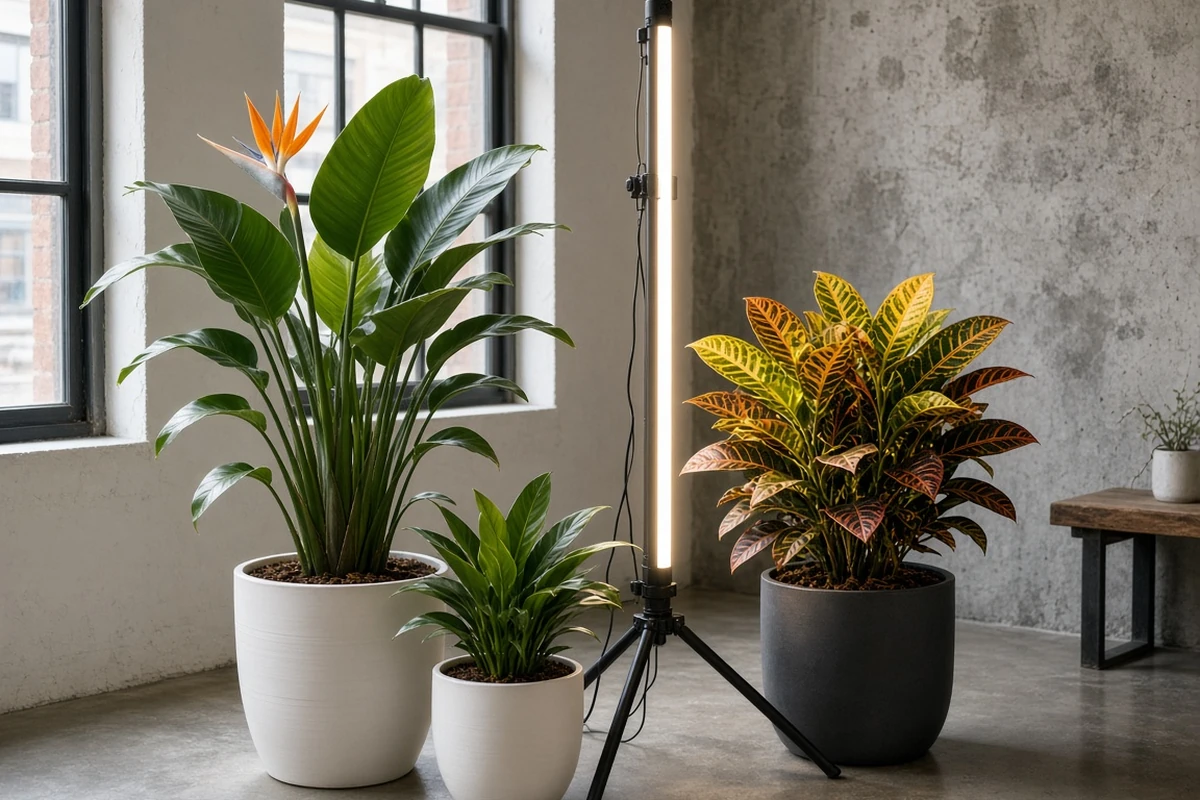
- Add a full spectrum LED above the plant.
- Hang the light 6 to 12 inches above the tips.
- Put the light on a timer for a steady day length.
- Check new growth for color plus spacing between leaves.
- Adjust height or hours as the plant responds.
Troubleshooting
Long, weak stems: low light. Lower the lamp or add hours.
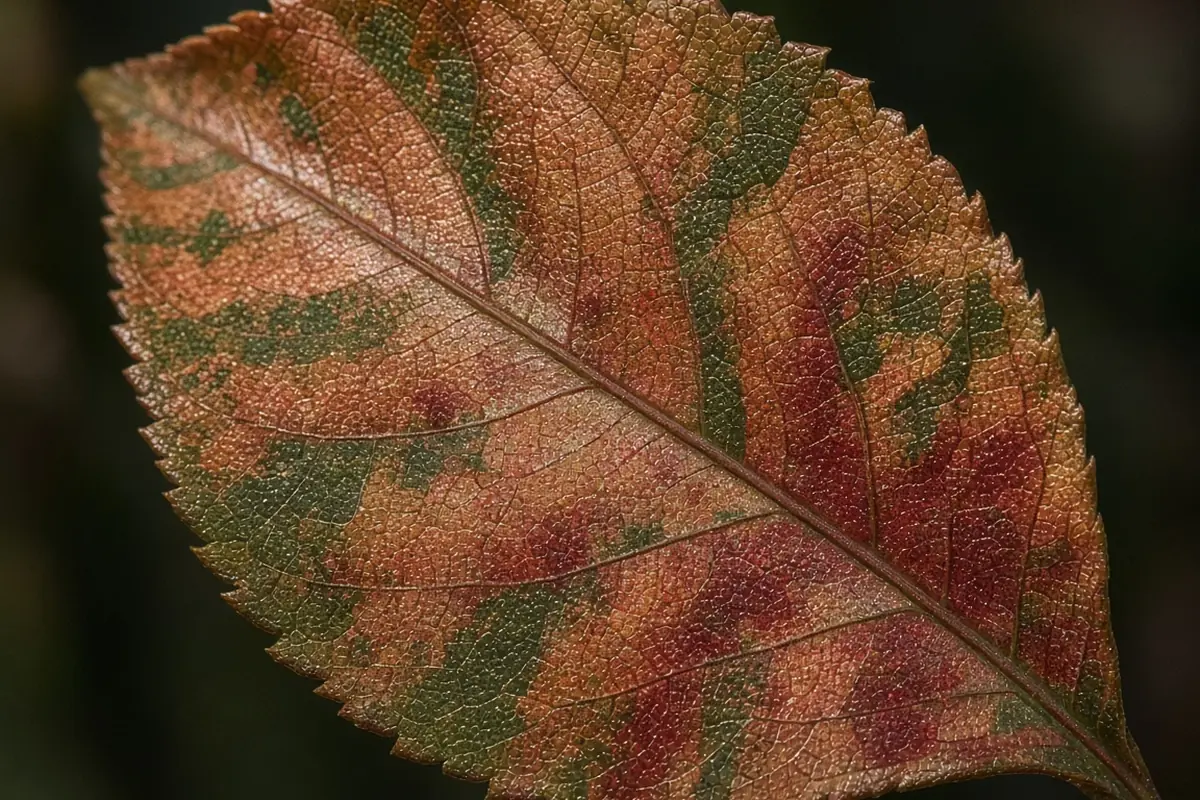
Pale or browning leaves: too much light. Maryland notes excess light turns leaves pale plus brown, so raise the lamp.
Plant too big: NC State advises pruning chenille plant after flowering to control its size.
For lighting see grow lights for cannabis plus led light distance cannabis. Read grow light timers plus cannabis seeds. Kind Seed Co also stocks cannabis seeds.
Sources
- Acalypha hispida (chenille plant), NC State Extension Gardener Plant Toolbox
- Acalypha wilkesiana (copperleaf), NC State Extension Gardener Plant Toolbox
- Lighting indoor houseplants (G6515), University of Missouri Extension
- Lighting for indoor plants, University of Maryland Extension
FAQ
Can chenille plant grow under a regular LED bulb?
University of Missouri Extension notes LED plant lights can be made to give the red plus blue light plants need. Household bulbs give less useful light. Missouri also notes high light plants are harder to grow under home lights, so use a plant LED close above the foliage.
Should the light run all night?
No. University of Maryland Extension notes most plants need a period of darkness to develop properly plus advises no more than 16 hours of light a day in total. University of Missouri Extension suggests 12 to 14 hours when some window light also reaches the plant.
Is chenille plant the same as copperleaf?
No. Both belong to the genus Acalypha, but NC State Extension lists chenille plant as Acalypha hispida plus copperleaf as Acalypha wilkesiana. Chenille plant is grown for its red flowers, while copperleaf is grown for its colorful leaves. Both need bright light indoors, per NC State.
Do plants need a dark period?
University of Maryland Extension notes most plants require a period of darkness to develop properly. It advises lighting them no more than 16 hours a day in total, especially when artificial light adds to natural light. Set a timer so the lamp shuts off each night.
How often should acalypha be fed indoors?
NC State Extension notes indoor chenille plants should be fed monthly from spring through summer. They also need temperatures above 60 degrees Fahrenheit plus high humidity. Copperleaf needs bright light plus consistent moisture when brought indoors for winter, per NC State Extension.



