
Grow Light for Astrophytum: Star Cactus and Bishop’s Cap
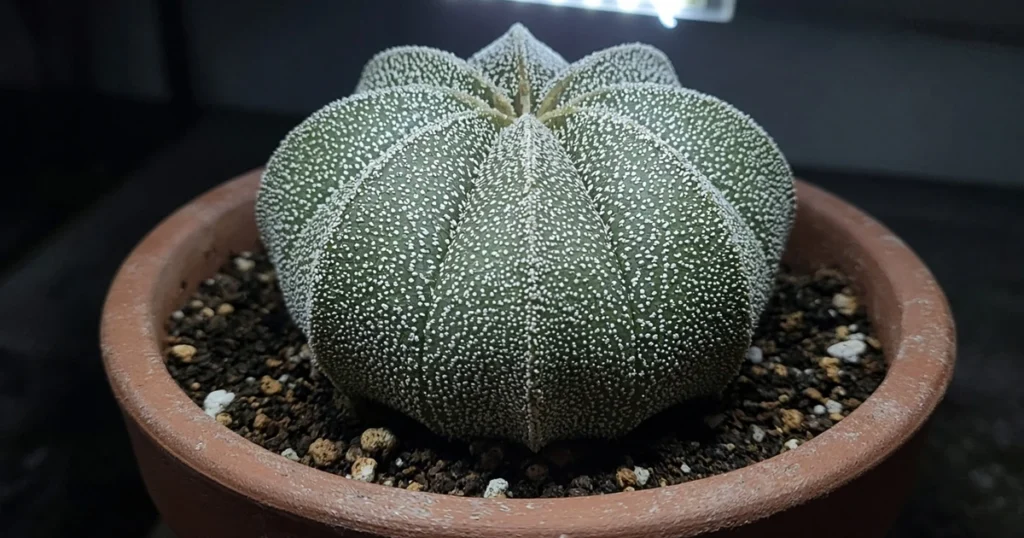
A grow light for astrophytum stands in for the full sun these cacti prefer. NC State Extension says astrophytum likes full sun with a sandy, well drained cactus mix. A window sill or sunny room suits it. A lamp helps when neither is bright enough.
The short answer
Give astrophytum full sun or a grow light set 6 to 12 inches above it for 14 to 16 hours a day. Choose a light with output in the PAR range of 400 to 700 nm. In winter move the plant to a cool, dry room with some sun and let the mix dry fully.
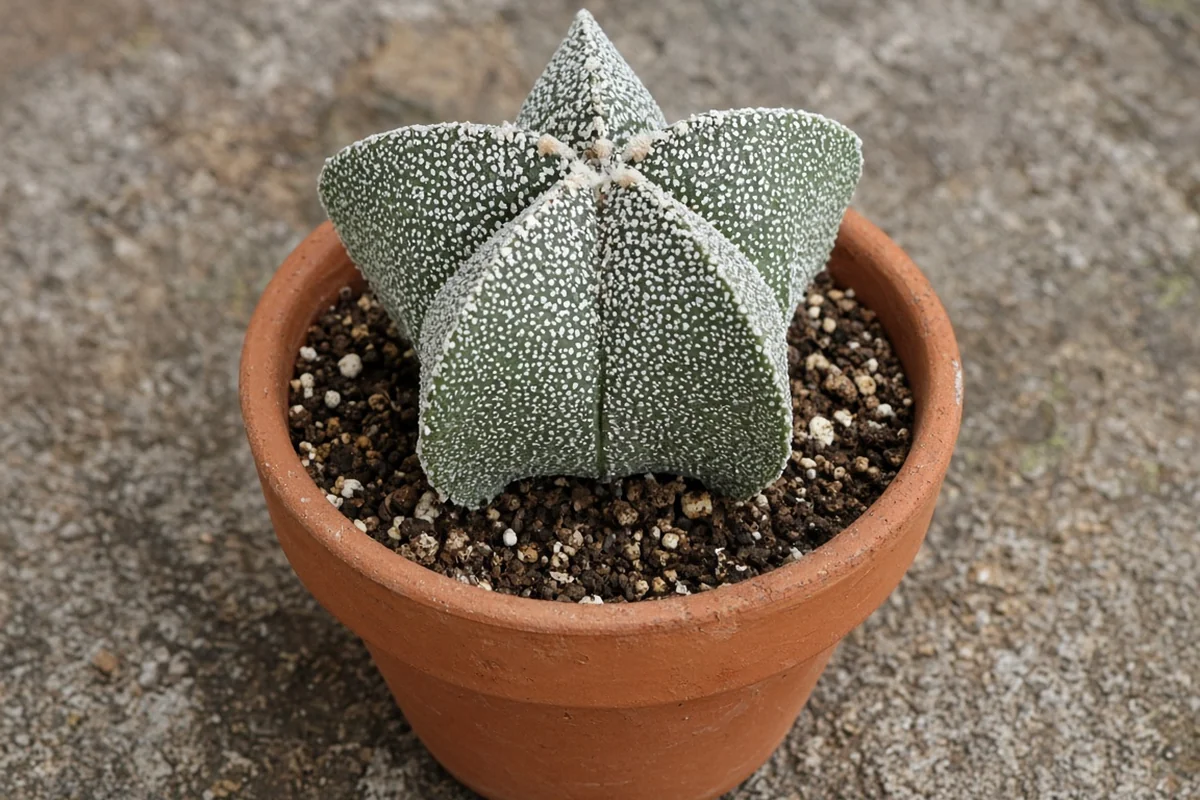
How much light does astrophytum need?
NC State lists full sun for astrophytum. It grows in summer at 70 to 95°F and rests at 40 to 70°F in winter. Indoor plants overwinter in a cool, dry room with some sunshine. Gardening Solutions at UF/IFAS says cacti like sunny indoor spots and grow only a few inches a year. Avoid standing water because it causes root rot. More on light setups is in grow lights for cannabis.
Which grow light suits astrophytum?
Cacti and succulents need abundant light, Minnesota Extension says, and artificial light can fill the gap indoors. Cool white fluorescent tubes work, as does a blend of daylight and natural white tubes, placed 6 to 12 inches above the plants and run 14 to 16 hours a day. University of Missouri Extension advises checking a light’s spectrum graph for output in the PAR range of 400 to 700 nm. Lumens and Kelvin describe what our eyes see rather than what plants use. Missouri adds that LEDs and fluorescent lamps can sit near plants without burning them. Read led light distance cannabis and grow light timers for distance and timer setups.
How do you tell if astrophytum has the right light?
Look for summer flowers. NC State says the funnel shaped blooms appear at the top of the stem in summer in white to yellow with orange or red centers. Minnesota Extension says good light, dry soil and cool nights help many cacti flower indoors. A plant that never blooms may need more light or a cooler winter.
Astrophytum under grow lights
| Need | What to do | Source |
|---|---|---|
| Light | Full sun | NC State |
| Distance | 6 to 12 inches above | Minnesota |
| Hours | 14 to 16 a day | Minnesota |
| Summer | 70 to 95°F | NC State |
| Winter | 40 to 70°F, cool and dry | NC State |
Sources: NC State Extension, University of Minnesota Extension, UF/IFAS Gardening Solutions, University of Missouri Extension.
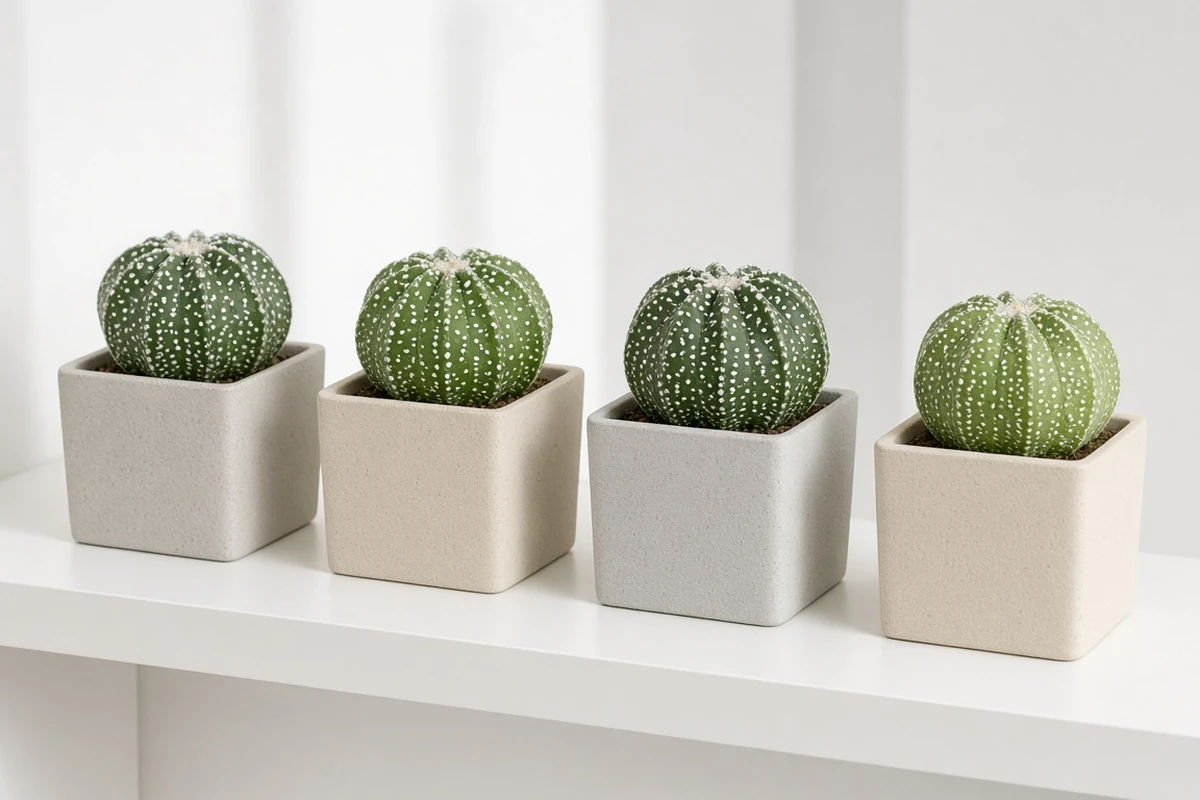
How to: step by step
- Pot the plant in a well drained cactus mix in a pot with drainage holes.
- Hang a grow light on an adjustable fixture above the plant.
- Set a timer for a steady daily schedule.
- Water only after the mix dries out completely.
- Check new growth and color every week.
- Raise or lower the light based on what you see.
Troubleshooting
No summer flowers: low light or a warm winter. Add light and allow a cool, dry rest.
Soft or dark base: overwatering, poor drainage or soggy soil. NC State says these can lead to root rot.
Mealybugs, scale or spider mites: NC State lists these as pests to monitor.
Kind Seed Co offers these notes to indoor growers. Growers who also use lights can browse cannabis seeds.
Sources
- Astrophytum (star cactus), NC State Extension Gardener Plant Toolbox
- Cacti and succulents, University of Minnesota Extension
- Cactus, UF/IFAS Gardening Solutions
- Controlled environment agriculture: understanding grow lights (G6987), University of Missouri Extension
FAQ
What is the white flecking on astrophytum?
That's part of the plant. NC State Extension says the stems may have tiny white dots and fine white hairs. Many cultivars carry white spots or tufts.
Is star cactus slow growing?
Yes. UF/IFAS Gardening Solutions says cacti grow slowly and usually add only a few inches a year.
How bright should the light be?
Aim for full sun levels. Missouri Extension suggests checking a light's output in the PAR range of 400 to 700 nm rather than lumens.
Do star cacti need a cool winter?
NC State says indoor plants overwinter in a cool, dry room with some sunshine, at 40 to 70°F.
How often should I water astrophytum?
NC State says the soil needs to dry out completely between waterings.



