Grow Light for Delphinium Seedlings: Cool Starts
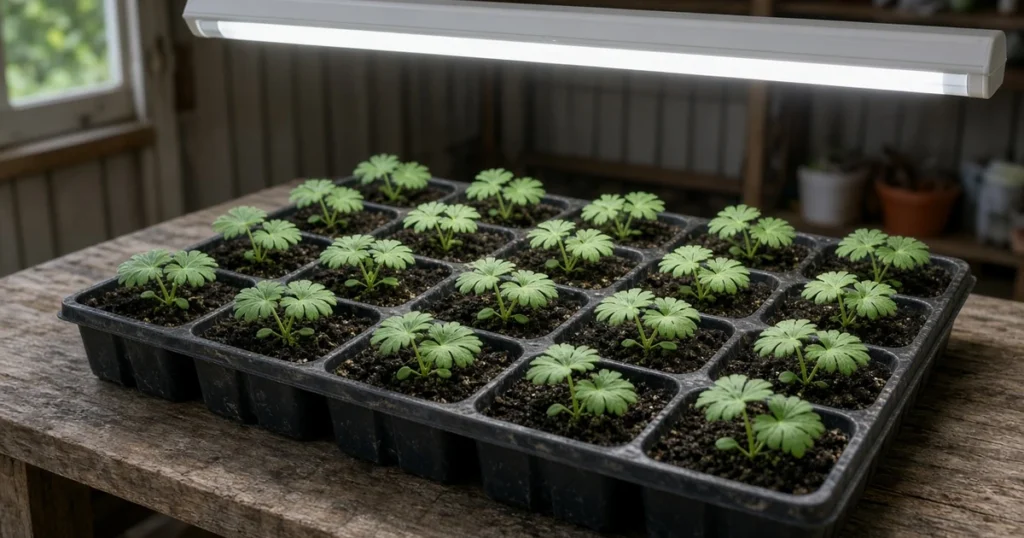
A grow light for delphinium seedlings gives these cool summer plants a sturdy start before they move outdoors. NC State Extension notes that delphiniums prefer cool summers. Sow fresh seed as the packet directs, then grow seedlings on under close lamps plus harden them off.
The short answer
Sow fresh delphinium seed following package directions, as University of Minnesota Extension advises. Hang fluorescent or LED lights 2 to 4 inches above the seedlings plus run them 12 to 16 hours a day. Harden plants off, then set them in full sun with afternoon shade in hot areas.
Why do delphiniums like cool conditions?
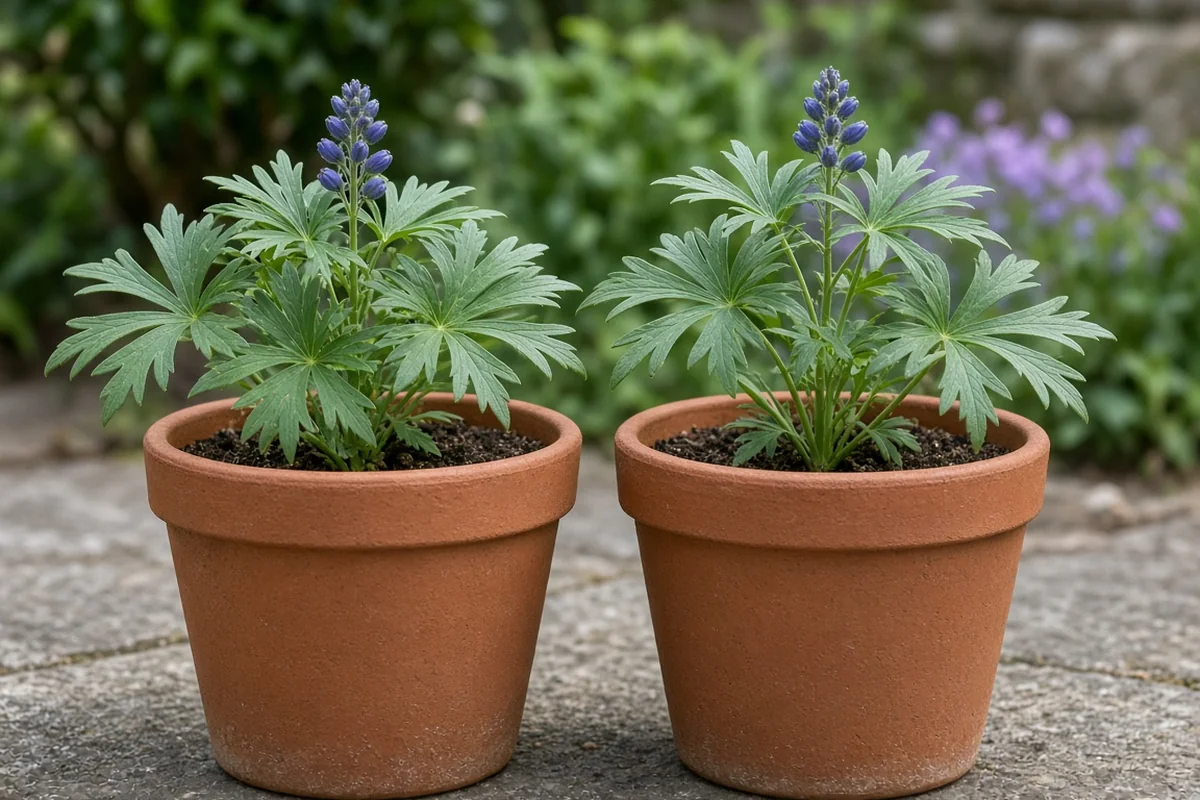
It suits their nature. NC State Extension notes that delphiniums prefer cool summers but do well with afternoon shade in hot summer climates. They can be a challenge in humid summer climates south of USDA Zone 7.
NC State Extension adds that the ideal spot for Delphinium elatum has cool, moist summers. High humidity can work against the plant.
| Stage | Light distance | Daily hours |
|---|---|---|
| Seedlings indoors | 2 to 4 inches above tops | 12 to 16 hours |
| Garden planting | Full sun | Afternoon shade in hot climates |
Source: University of Maryland Extension plus NC State Extension.
How close should lights hang?
Very close. University of Maryland Extension advises lights no more than 4 inches above the seedling tops, with 2 inches as ideal. It suggests 12 to 16 hours of light daily.
The same source notes that seedlings grown under fluorescent or LED lights do much better than seedlings relying on natural light alone.
Why does fresh seed matter?
Old seed sprouts poorly. University of Minnesota Extension notes that fewer seeds from a packet germinate over time. It advises sowing fresh seed according to package directions.
Store leftover seed in an airtight container in a cool place, with the refrigerator as ideal. If a packet calls for darkness to germinate, cover the cells with dark plastic or newspaper until the seeds sprout.
How to: step by step
- Choose fresh seed or refrigerated seed.
- Sow per the packet, covering cells if it calls for darkness.
- Shift seedlings under lamps once they sprout.
- Position lamps 2 to 4 inches over the seedlings.
- Light seedlings 12 to 16 hours daily.
- Acclimate plus plant in full sun.
Troubleshooting
Poor sprouting: old seed. University of Minnesota Extension notes that fewer seeds germinate over time, so use fresh seed or sow two per cell.
Leggy growth: weak light. Lower the lamp to 2 to 4 inches above the tops.
Tall plants flopping later: no support. NC State Extension notes that tall varieties need staking or a fence for shelter from wind plus heavy rain.
For related reading see cannabis seedling light schedule, leggy cannabis seedlings plus hardening off cannabis seedlings. Kind Seed Co also stocks cannabis seeds.
Sources
- Delphinium, NC State Extension Plant Toolbox
- Delphinium elatum, NC State Extension Plant Toolbox
- Starting seeds indoors, University of Minnesota Extension
- Grow lights for starting seeds indoors, University of Maryland Extension
FAQ
When do delphiniums bloom?
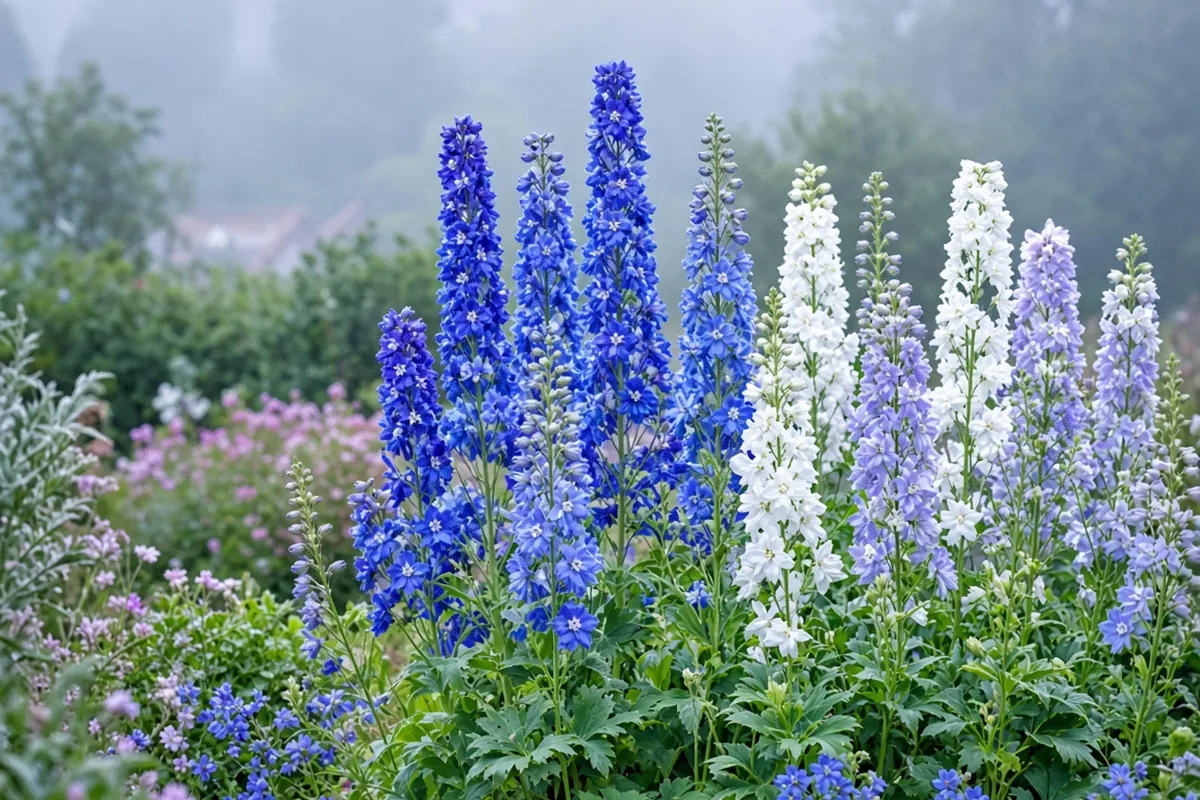
NC State Extension notes that delphinium bloom time runs from May through midsummer. For Delphinium elatum, deadheading down to the basal leaves after it blooms may give a second bloom period later in summer plus into fall. An early indoor start helps young plants settle in before that season.
How tall do delphiniums grow?
It depends on the type. NC State Extension notes that dwarf Delphinium elatum types reach 3 to 5 feet, medium types 4 to 5.5 feet plus tall types over 6 feet. Larger plants need support, so plan stakes or a fence line before setting seedlings out.
Do tall delphiniums need staking?
Yes. NC State Extension notes that delphiniums need considerable care, including staking, pruning plus deadheading, to perform well. Taller varieties need shelter from wind plus rainstorms. Staking or planting along a fence that blocks wind plus heavy rain gives the plant its ideal upright habit.
Can delphiniums grow in hot climates?
With effort. NC State Extension notes that delphiniums prefer cool summers but will do well with afternoon shade in hot summer climates. They can be a challenge in humid climates south of USDA Zone 7. Some afternoon shade in southern zones is required for Delphinium elatum.
What soil suits delphiniums?
NC State Extension advises fertile, well drained soil with medium moisture in full sun. Delphiniums also tolerate alkaline soils. Pair that soil with cool summers or afternoon shade in warm areas. Seedlings raised under lights should be hardened off before they go into that bed.