Grow Light for Lipstick Plant Blooms: Bright, Indirect Light Indoors
The short answer
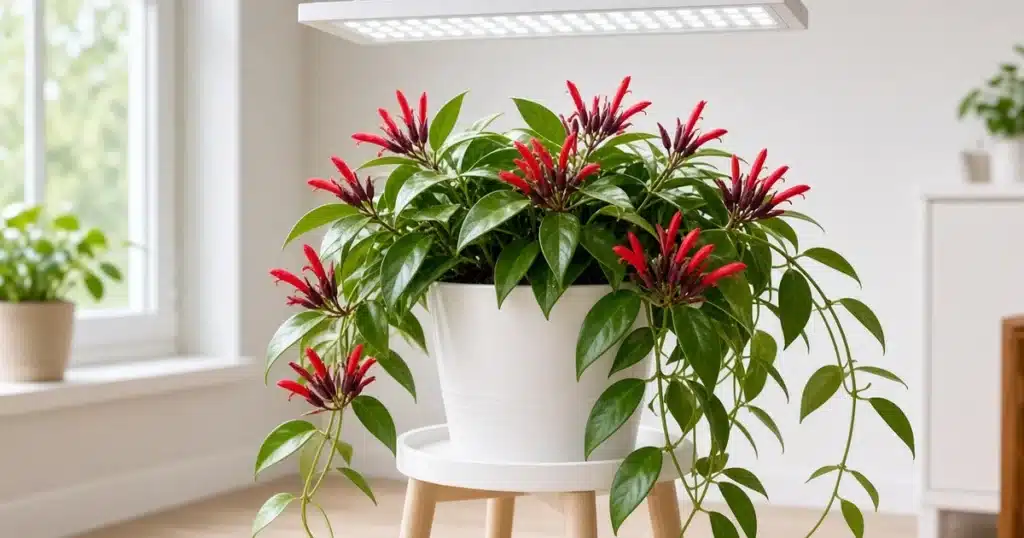
A grow light for lipstick plant blooms should give bright, indirect light. NC State Extension says the lipstick plant needs bright indirect light but not full sun. Iowa State Extension notes many gesneriads do well under fluorescent lights left on 12 to 16 hours a day, and summer sun can scorch the leaves.
How much light does a lipstick plant need?
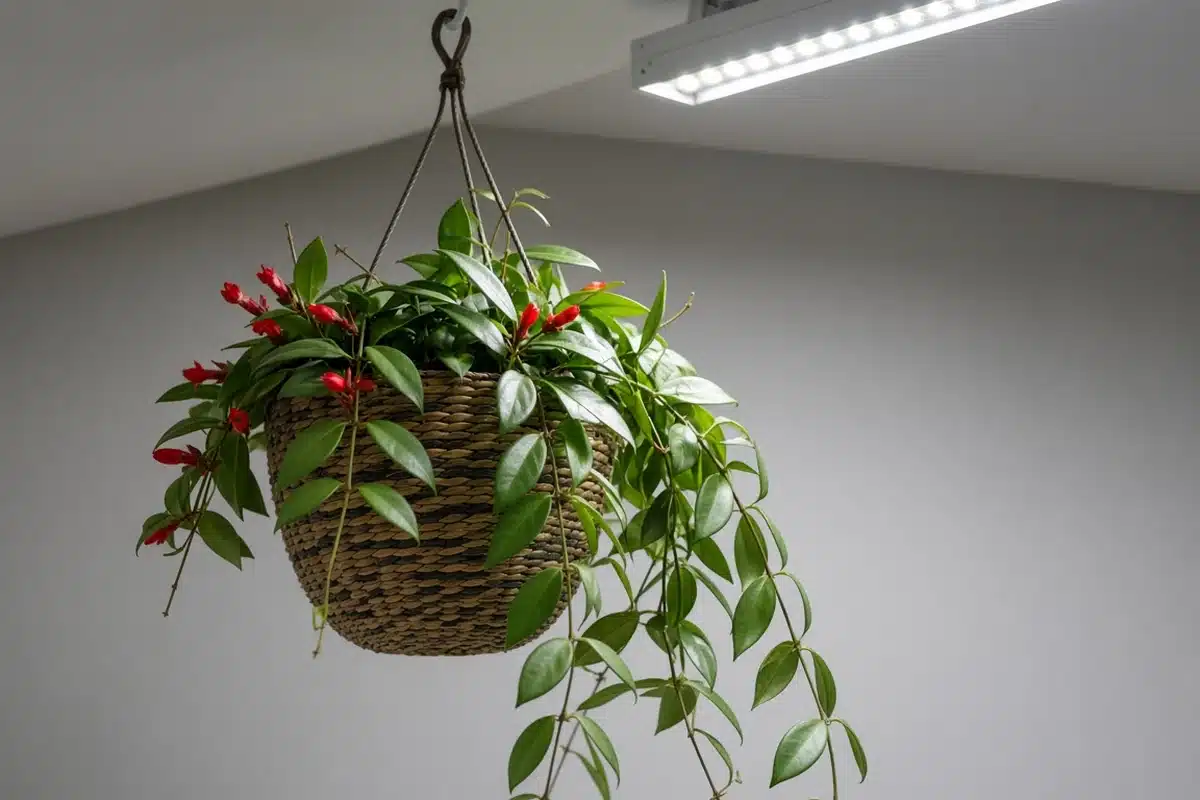
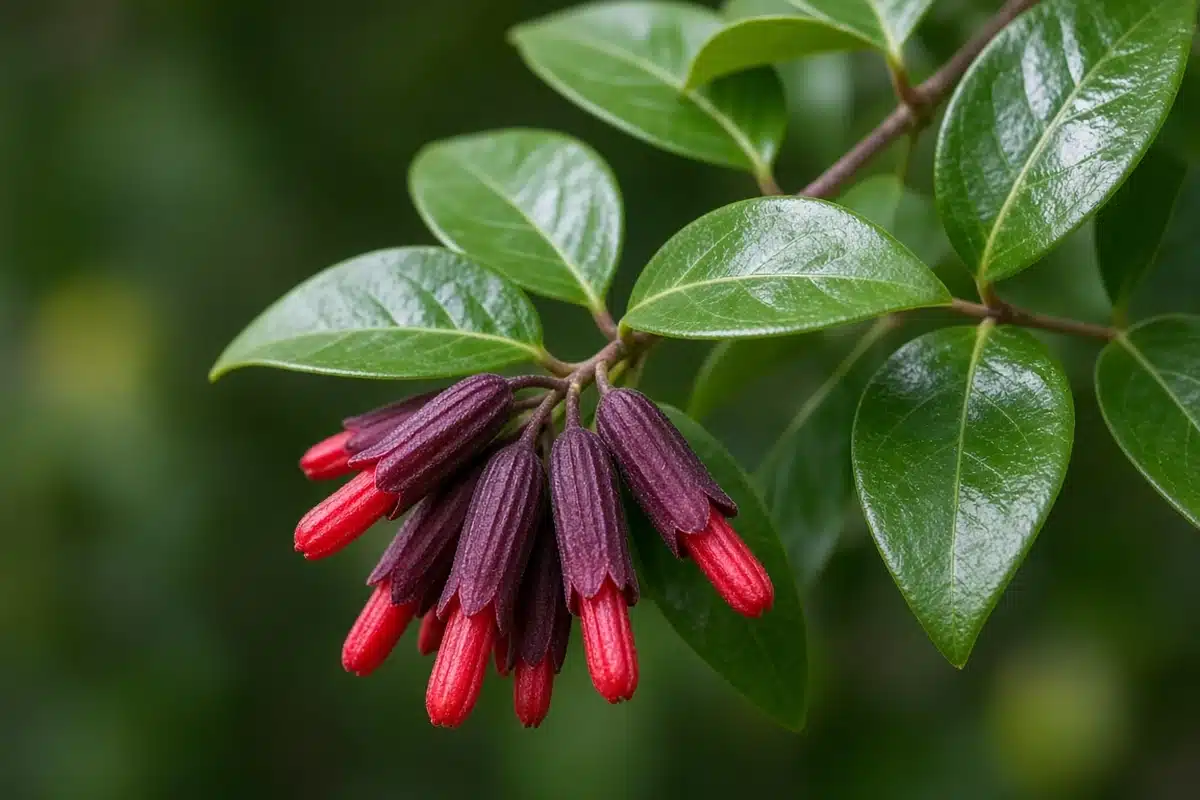
The lipstick plant is a gesneriad grown for its flowers. NC State Extension describes bright red tubular flowers and waxy green leaves, often edged with red. The plant needs bright indirect light, but not full sun.
Iowa State University Extension says most gesneriads grow and bloom well with moderate, indirect light, and don’t need high levels of direct light. It warns that high light, mostly in summer, can quickly burn or scorch the leaves.
Flowers need more light than leaves. University of Minnesota Extension says that while a plant may tolerate lower light, more light may be needed for dense foliage and flowering. It adds that flowering plants short on light may fail to set buds.
Which grow light suits a lipstick plant?
Iowa State Extension notes that many gesneriads perform well under fluorescent lights. University of Minnesota Extension says the most common grow lights are LED and fluorescent, and lists LEDs as very energy efficient, long lasting, wide in spectrum and low in heat. For more on fixtures, see grow lights for cannabis, which covers the same LED basics.
Minnesota Extension lists 6 to 12 inches between the light and flowering houseplants. For more on how distance changes intensity, read led light distance cannabis.
Day length counts for bloom. Minnesota Extension suggests 14 to 16 hours of light a day for flowering houseplants, and Iowa State gives 12 to 16 hours for gesneriads under fluorescent lights. A timer holds the schedule steady, and grow light timers explains how to set one.
How do you tell if a lipstick plant has the right light?
Watch for buds, leaf color and stem shape. The signs below come from the sources under the table.
| Sign | Meaning | Fix |
|---|---|---|
| No flower buds | Too little light | Add hours or lower the light |
| Pale, yellow leaves | Too little light | Lower the light or add hours |
| Scorched or bleached leaves | Light too intense | Raise the light |
| Long, thin stems | Too little light | Add light and take cuttings |
| Leaf drop in cold rooms | Temperature too low | Move to a warmer spot |
Sources: University of Minnesota Extension, Iowa State University Extension, NC State Extension Gardener Plant Toolbox.
Good light shows as steady bud set on firm, leafy stems. Iowa State notes many gesneriads bloom almost nonstop indoors with regular fertilizer, so steady light and feeding work together.
How to: step by step
- Place the lipstick plant in bright, indirect light first.
- Pick a full spectrum LED or fluorescent light.
- Hang the light at the maker’s suggested distance.
- Run a timer for a steady day length.
- Feed lightly during the growing season.
- Adjust height or hours in small steps.
If the maker gives no distance, Minnesota Extension’s 6 to 12 inches for flowering houseplants is a reasonable start.
Troubleshooting
No flowers: too little light. Minnesota Extension says flowering plants short on light may fail to set buds. Add hours or lower the light.
Scorched or bleached leaves: light too intense. Iowa State warns that high light can burn or scorch gesneriad leaves. Raise the light.
Long, bare stems: low light. Minnesota Extension says stems grow long and thin when light is short. Add light, and root cuttings to start fuller plants.
Leaf drop: NC State notes that leaves drop if temperatures fall below 50 degrees. Move the plant to a warmer room.
Light for steady blooms
A grow light gives a lipstick plant the extra hours it needs to bloom through dark months. Bright, indirect light, a steady timer and light feeding matter more than raw power. The Kind Seed Co blog covers grow lights in depth, and if you also grow from seed, browse our cannabis seeds range.
Sources
- Growing gesneriads, Iowa State University Extension
- Aeschynanthus radicans (lipstick plant), NC State Extension Gardener Plant Toolbox
- Lighting for indoor plants and starting seeds, University of Minnesota Extension
FAQ
Why is my lipstick plant not blooming?
Low light is a common cause. University of Minnesota Extension says flowering plants short on light may fail to produce flower buds, and that more light may be needed for flowering. NC State Extension adds that a dilute liquid fertilizer during the growing season can encourage blooming.
Can lipstick plants grow under fluorescent lights?
Yes. Iowa State University Extension says many gesneriads perform well under fluorescent lights left on for 12 to 16 hours per day. The lipstick plant is a gesneriad, and NC State Extension notes it needs bright indirect light rather than full sun, which a fluorescent or LED fixture can supply.
How many hours of light do they need?
University of Minnesota Extension suggests 14 to 16 hours of light per day for flowering houseplants. Iowa State University Extension gives 12 to 16 hours for gesneriads under fluorescent lights. Use a timer so the day length stays steady, and watch for bud set over several weeks.
Should I trim long stems?
Long, thin stems often mean low light, according to University of Minnesota Extension, so add light first. NC State Extension notes the lipstick plant is easy to propagate from a three node soft stem cutting, so trimmed stems can be rooted to start new, fuller plants.
How warm should a lipstick plant be?
NC State Extension says the plant does well when soil temperatures stay between 65 and 70 degrees Fahrenheit in the growing season, and that it can be kept a bit cooler and drier in winter. It notes leaf drop will occur if temperatures fall below 50 degrees.