
Grow Light for Lisianthus Seedlings: Slow Tiny Starts
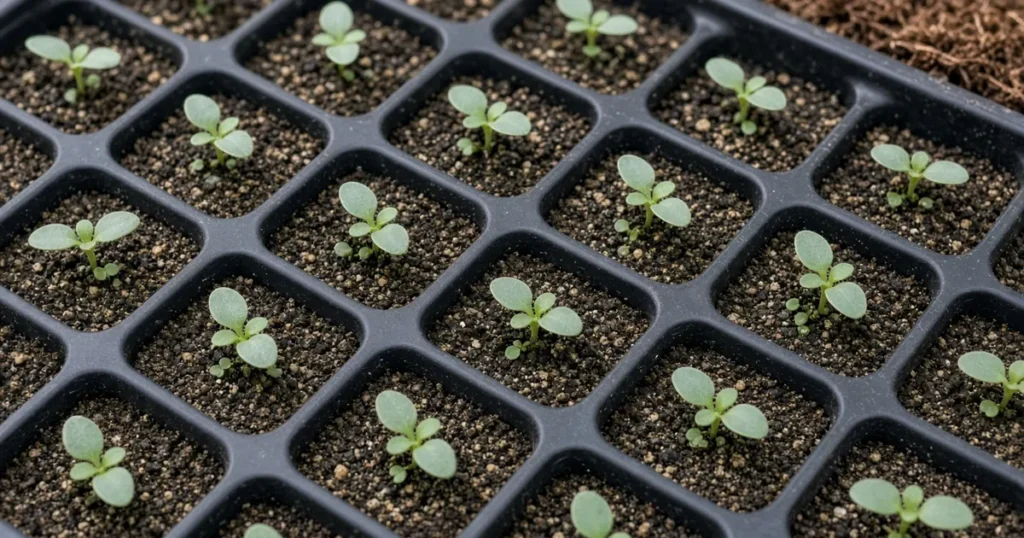
A grow light for lisianthus seedlings has a long, patient job. North Carolina State Extension notes the seeds are very small plus it can take months for a plant to mature from seed. It advises starting indoors 10 to 12 weeks before last frost. Steady, close light carries the seedlings through.
The short answer
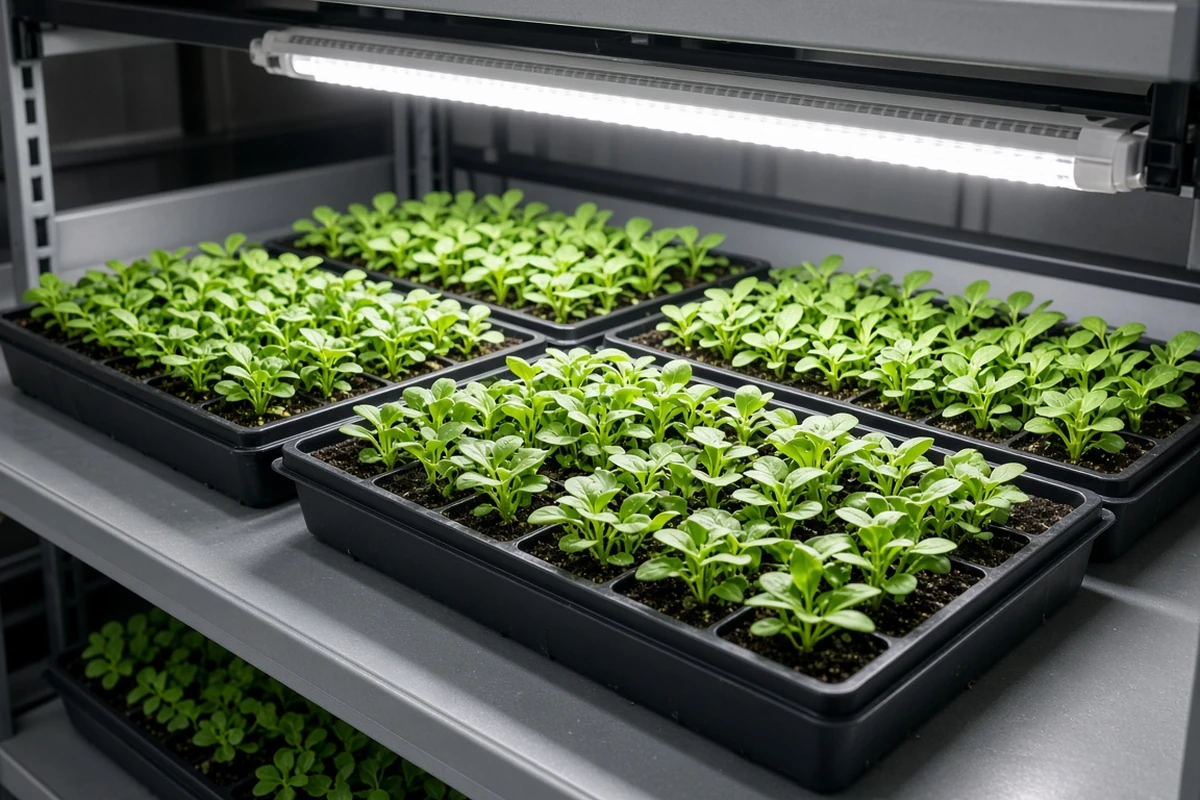
Sow 10 to 12 weeks before last frost, as North Carolina State Extension advises. Cover the tiny seeds only thinly. Hang the light 4 to 6 inches above the seedlings for 16 to 18 hours a day, as University of Minnesota Extension suggests. Illinois Extension advises 18 hours at most.
How do you sow tiny lisianthus seeds?
North Carolina State Extension notes lisianthus seeds are very small. University of Minnesota Extension recommends a commercial seed starting mix of peat plus vermiculite. It suits germinating seeds plus tiny seedlings. It notes some seeds require light to germinate. For those it advises a thin layer of fine vermiculite that light can pass through.
| Factor | Guide | Source |
|---|---|---|
| Sowing time | 10 to 12 weeks before last frost | North Carolina State Extension |
| Growing mix | Peat plus vermiculite seed mix | University of Minnesota |
| Light height | 4 to 6 inches | University of Minnesota |
| Hours per day | 16 to 18 | University of Minnesota |
| Hours per day | 18 at most | Illinois Extension |
Source: North Carolina State Extension, University of Minnesota Extension plus Illinois Extension.
How much light do lisianthus seedlings need?
University of Minnesota Extension suggests 4 to 6 inches between seedlings plus the light, moved up as they grow. It suggests 16 to 18 hours a day for seedlings. Illinois Extension notes too little light gives leggy plants. It uses an automatic timer plus caps seedlings at 18 hours.
Why is lisianthus so slow?
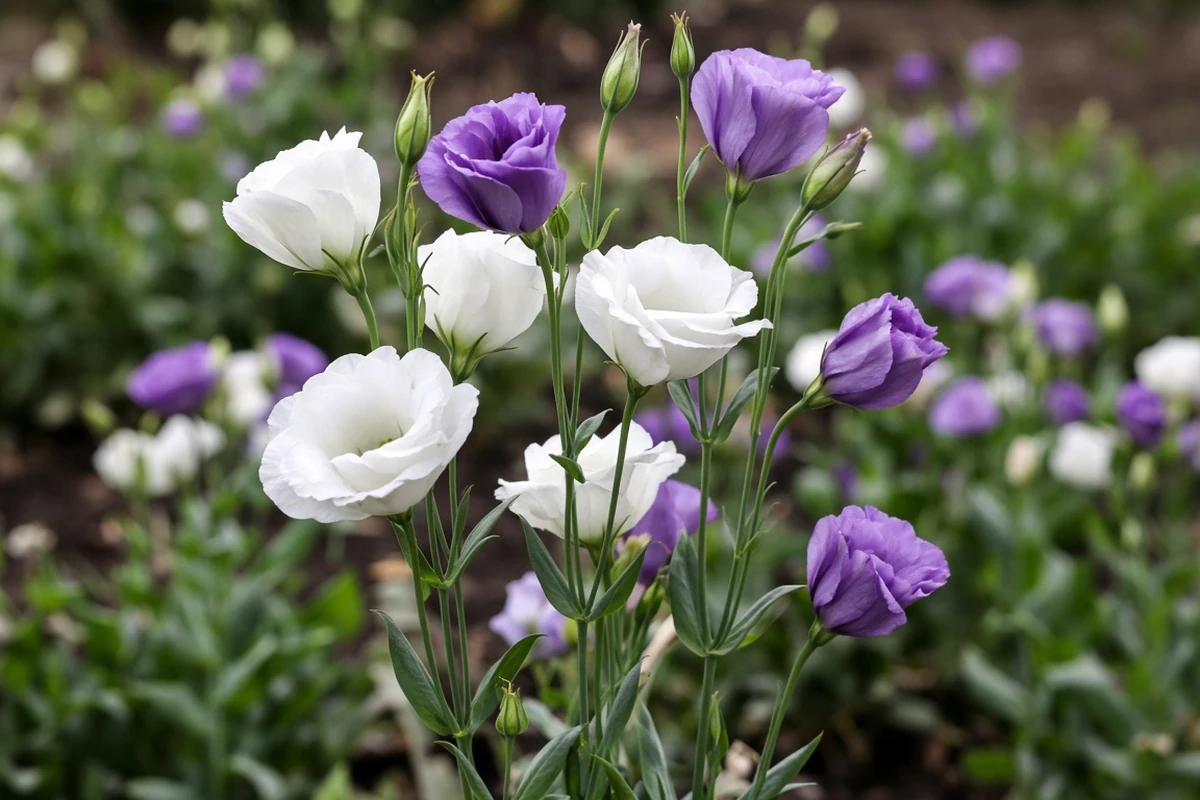
North Carolina State Extension notes it can take months for lisianthus to mature from seed. For that reason it is more often bought as transplants. Growing your own means a long run under lights. Flowers then bloom from summer to first frost, North Carolina State Extension notes.
How to: step by step
- Work back 10 to 12 weeks from last frost.
- Load trays with a peat plus vermiculite seed mix.
- Sow the tiny seeds plus barely cover them.
- Hang the light 4 to 6 inches over the tray.
- Set a timer for 16 to 18 hours.
- Lift the light as seedlings grow.
Troubleshooting
Seeds not sprouting: buried too deep. Cover tiny seeds only thinly.
Leggy seedlings: too little light. Lower the light to 4 to 6 inches.
Plants too small at planting time: sown too late. Sow 10 to 12 weeks before last frost.
For related reading see cannabis seedling light schedule, grow light timers plus leggy cannabis seedlings. Kind Seed Co also stocks cannabis seeds.
Sources
- Eustoma grandiflorum, North Carolina State Extension
- Starting seeds indoors, University of Minnesota Extension
- Lighting for indoor plants and starting seeds, University of Minnesota Extension
- Supplemental lighting for indoor seed starting, Illinois Extension
FAQ
When should lisianthus seeds be started?
North Carolina State Extension advises starting lisianthus seeds indoors 10 to 12 weeks before last frost. It notes it can take months for a plant to mature from seed. Count back from your frost date and give the seedlings the full stretch under lights so they reach planting size on time.
How far should the light be from lisianthus seedlings?
University of Minnesota Extension suggests 4 to 6 inches between seedlings and the light. It advises moving the light up regularly as the plants grow. A light hung far above the tray gives leggy growth, so check the gap every few days and adjust the chains as the seedlings get taller.
How many hours of light do lisianthus seedlings need?
University of Minnesota Extension suggests 16 to 18 hours of light a day for seedlings. Illinois Extension advises no more than 18 hours. A timer runs the light on the same schedule every day. Over a run of 10 to 12 weeks, that steady routine matters more than any single day.
What mix works for tiny seeds?
University of Minnesota Extension recommends commercial seed starting mixes, usually made of peat plus vermiculite with no true soil. It notes they are sterile, light plus free of weed seeds. Their texture suits germinating seeds and tiny seedlings, which makes them a good match for very small lisianthus seed.
Why do people buy lisianthus plants instead?
North Carolina State Extension notes lisianthus seeds are very small and can take months to mature into a flowering plant. For that reason it is more often bought and transplanted. Growing from seed is possible with a long indoor run under a grow light plus a timer.



