
Hydroponic Cattail Growing: Dwarf Cattails in Tubs and Gravel Beds
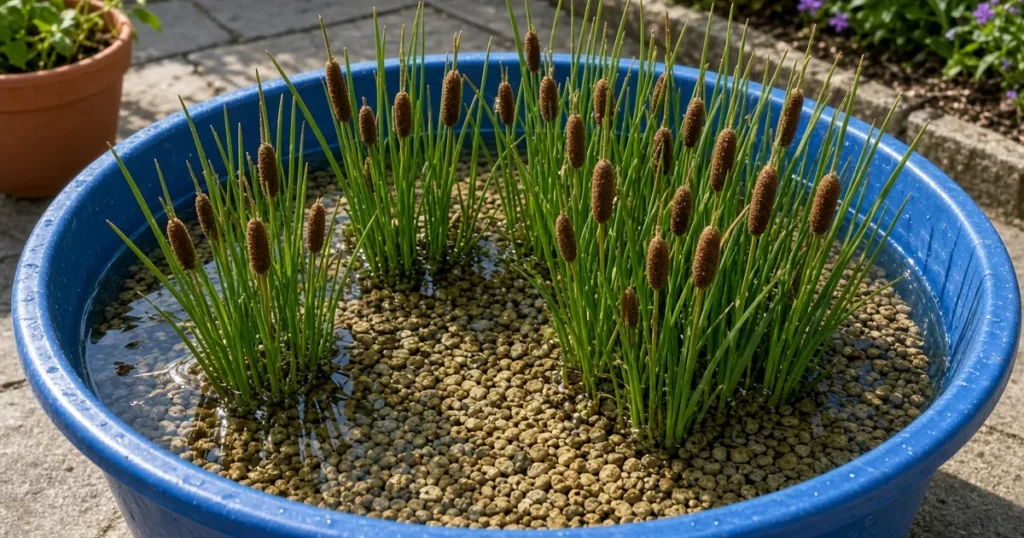
A hydroponic cattail grows with its roots in wet media and standing water instead of garden soil. The trick is to pick a type sized for the tub and to hold its runners in a pot.
The short answer
Choose dwarf cattail (Typha minima) for a tub. UF/IFAS lists it at about 2 feet tall in 3 to 6 inches of water. Common cattail reaches 5 to 10 feet and can sit under up to 30 inches of water. NC State suggests containers to limit spread for both large species.
Which cattails suit tubs and gravel beds?
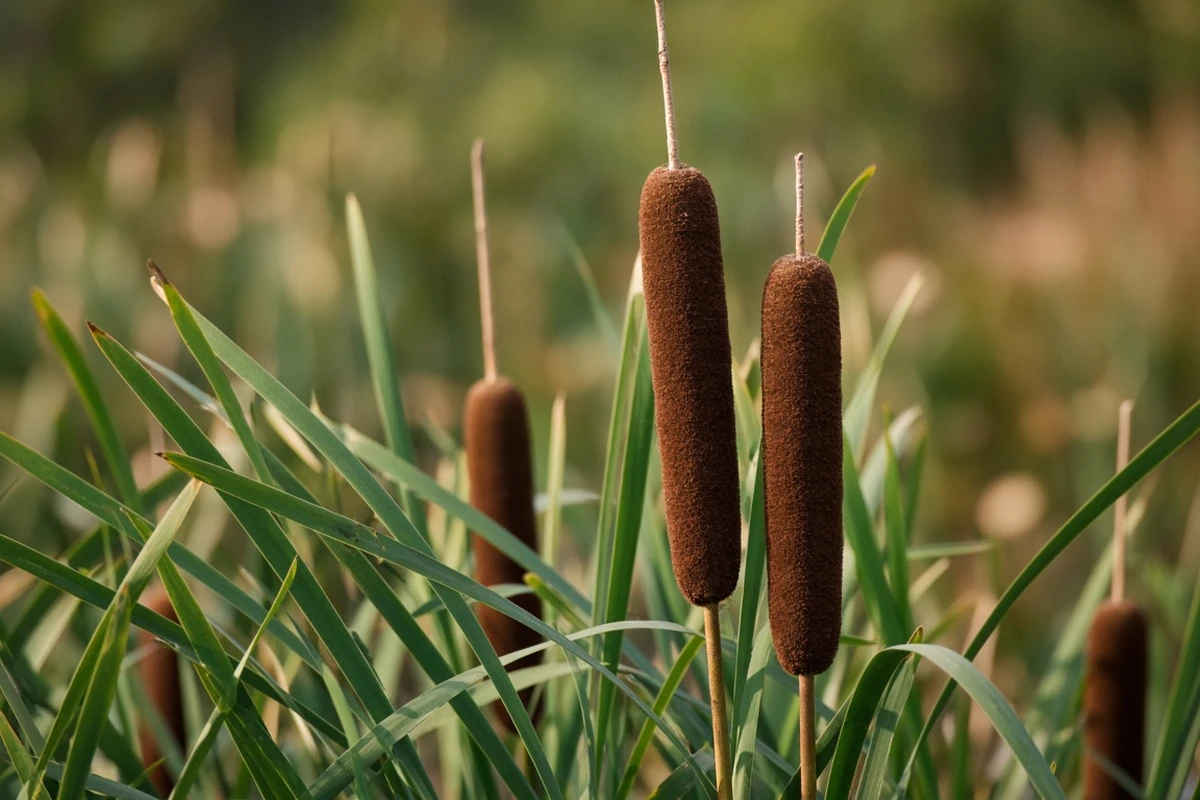
Washington State University Extension says the dwarf type stays at 2 feet or less, so it fits small pocket ponds. Common cattail can reach 9 feet and suits large swampy areas, while NC State puts narrow leaved cattail at 3 to 7 feet.
| Option | What it does | Source |
|---|---|---|
| Dwarf cattail | About 2 feet tall in 3 to 6 inches of water | Dwarf cattails: what to know, UF/IFAS Extension Nassau County |
| Narrow leaved cattail | 3 to 7 feet with up to 1 foot of water | Typha angustifolia (narrow leaved cattail), NC State Extension Gardener Plant Toolbox |
| Common cattail | 5 to 10 feet with up to 30 inches of water | Typha latifolia (common cattail), NC State Extension Gardener Plant Toolbox |
How deep should the water be?
Depth varies by species, and UF/IFAS gives 3 to 6 inches for the dwarf type. NC State lists up to 1 foot for narrow leaved cattail and up to 30 inches for common cattail. Common cattail tolerates some drought if the soil never dries out.
A shallow tub fits the dwarf type and a 5 gallon bucket holds narrow leaved cattail. Colorado State suggests heavy clay loam because it stays in the pot under water.
How do you stop cattails from spreading?
NC State calls common cattail aggressive and notes it can become invasive. It spreads by rhizomes. Both NC State pages suggest growing cattails in containers to control spread. A solid tub with no holes stops the runners.
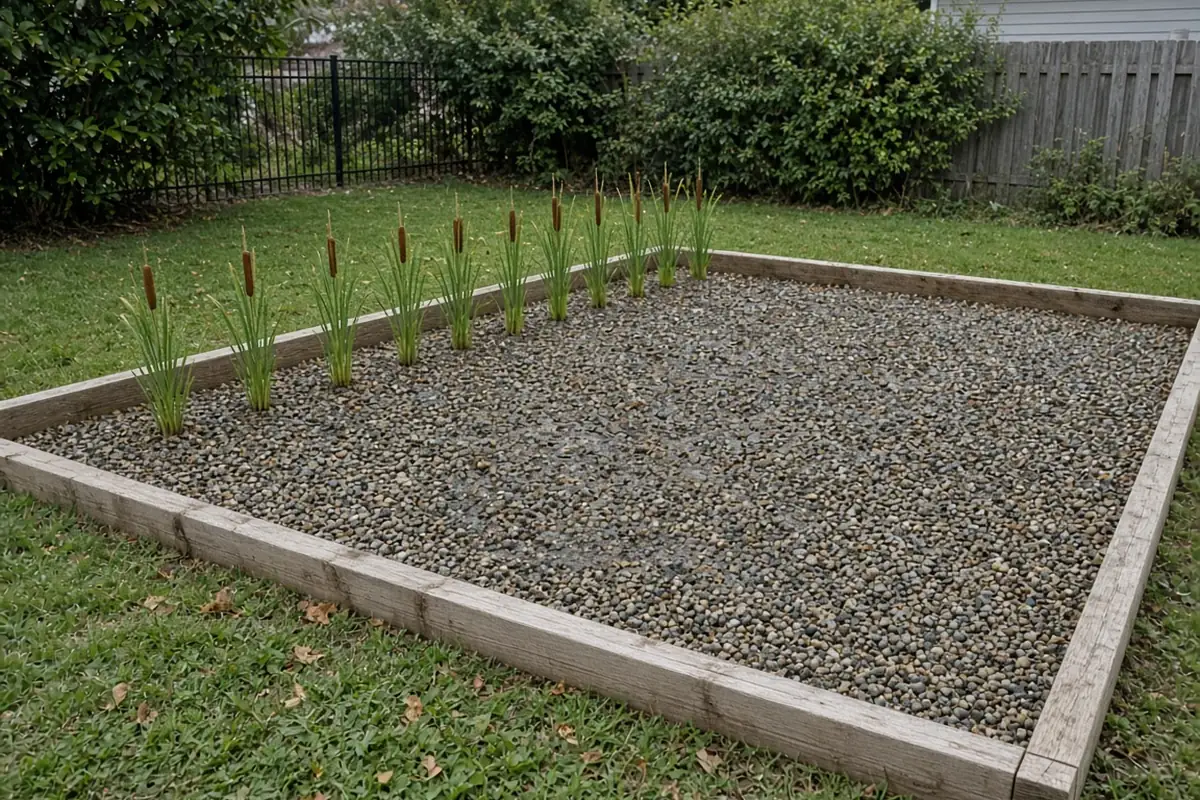
A bucket also limits narrow leaved cattail runners. Kansas State notes that gravel pockets hold marginal plants at a pond edge.
How to: step by step
- Choose dwarf cattail for a tub or small bed.
- Pot it in heavy clay loam as Colorado State suggests for aquatic plants.
- Cap the soil with pea gravel.
- Set the pot so 3 to 6 inches of water covers the crown.
- Place the tub in full sun or part shade.
- Top up the water so the soil never dries out.
Troubleshooting
Runners over the rim: a pot with gaps, so move the plant to a solid tub.
Plant too tall for the tub: a full sized species. Switch to dwarf cattail.
Dry soil in summer: low water, so refill the tub.
Kind Seed Co shares these plant notes for growers of all kinds. For more on root media see hydroponic in different mediums. Read caring for your hydroponic system for system care. See aquarium water for cannabis and pond water for cannabis for related water notes.
Sources
- Typha latifolia (common cattail), NC State Extension Gardener Plant Toolbox
- Typha angustifolia (narrow leaved cattail), NC State Extension Gardener Plant Toolbox
- Dwarf cattails: what to know, UF/IFAS Extension Nassau County
- Cattails in water gardens, Washington State University Extension
- Water gardens: planting aquatic plants (PlantTalk 1026), Colorado State University Extension
- Water Gardening: Plants for the Water Garden (MF2912), K-State Research and Extension
FAQ
Can common cattails grow in a tub?
Yes, though it is large. NC State lists common cattail at 5 to 10 feet and suggests a container to control spread. It can take up to 30 inches of water over the crown.
Do cattails need soil?
Cattails root in wet media. Colorado State Extension suggests heavy clay loam for aquatic plants so the soil stays in the pot under water.
How tall do dwarf cattails get?
UF/IFAS Extension lists dwarf cattail at about 2 feet tall. Washington State University Extension says it stays at 2 feet or less.
Can cattails stay outside in winter?
NC State lists common cattail as hardy in USDA Zones 3 to 10 and narrow leaved cattail in Zones 2 to 11.
Do cattails need full sun?
NC State lists full sun to part shade for both common and narrow leaved cattail. UF/IFAS lists full sun or part shade for the dwarf type.



