
Radish Leaves Yellow? Causes in the Garden Bed
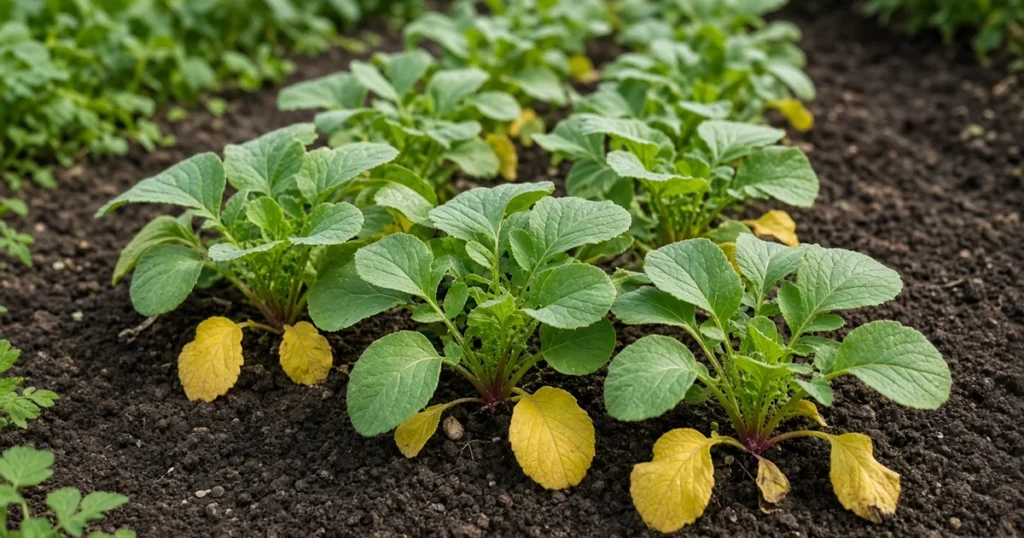
When radish leaves yellow in the garden bed, check for disease, crowding, heat and uneven water. University of Minnesota Extension says black rot causes yellow triangles on the edge of leaves and can cause plants to rot.
The short answer
Radishes are a cool season crop that grows fast. Yellow leaves can follow black rot, which Minnesota says makes yellow triangles at leaf edges. Crowding, heat and dry soil also slow radishes. University of Illinois Extension says radishes grow well in prepared, fertile soil with adequate moisture. Thin early and water evenly.
Why do radish leaves turn yellow?
Read the pattern first. Minnesota names black rot, which leaves yellow triangles on leaf edges. Flea beetles chew small round holes, it adds, and Alternaria causes spots. NC State Extension says swede midge can attack leaves and make them crinkle. Stress effects are covered in the effects of environmental stresses on weed plants.
| Sign | Likely cause | Source |
|---|---|---|
| Yellow triangles on edges | Black rot | Minnesota |
| Small round holes | Flea beetles | Minnesota |
| Spots on leaves | Alternaria | Minnesota |
| Crinkled leaves | Swede midge | NC State |
Does crowding cause yellow radish leaves?
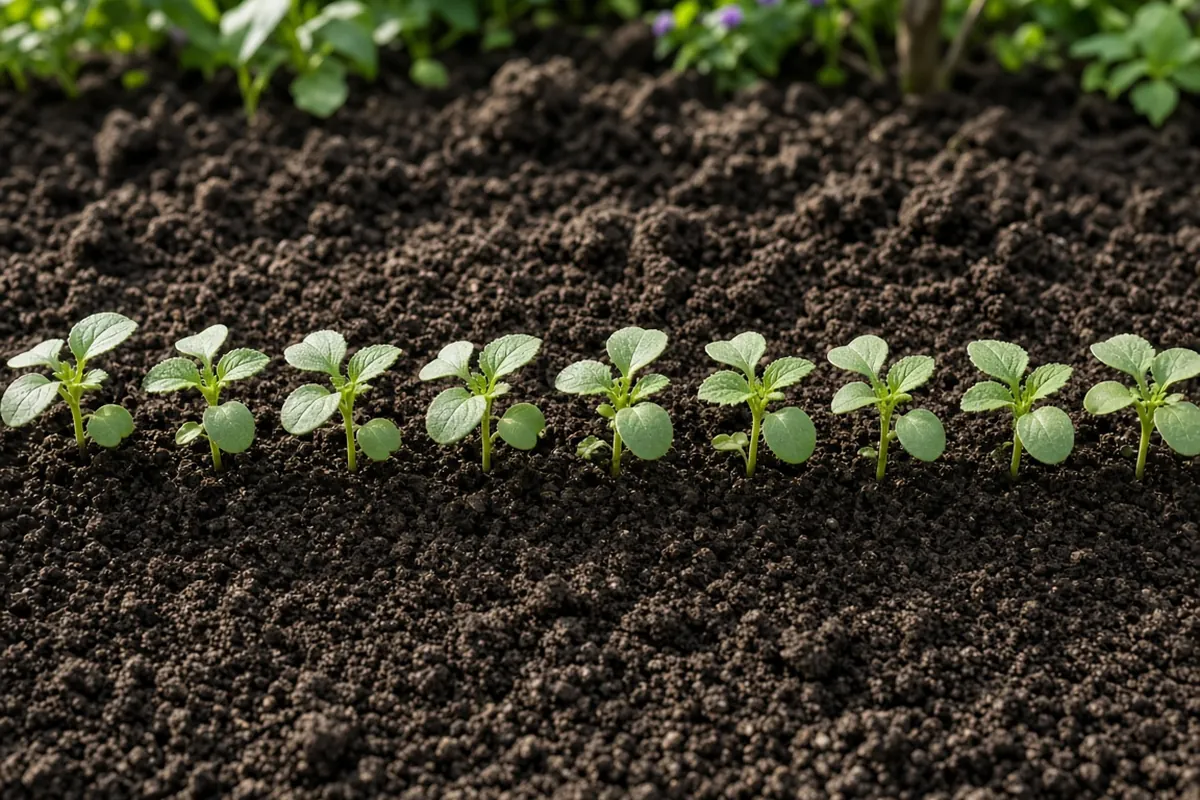
Crowding slows the crop. Illinois links poor roots to seed sown too thickly and plants left unthinned. Minnesota says to thin radishes to roughly two inches apart. Oregon State University Extension says to thin to 1 or 2 inches after the second set of leaves.
How do heat and water affect radishes?
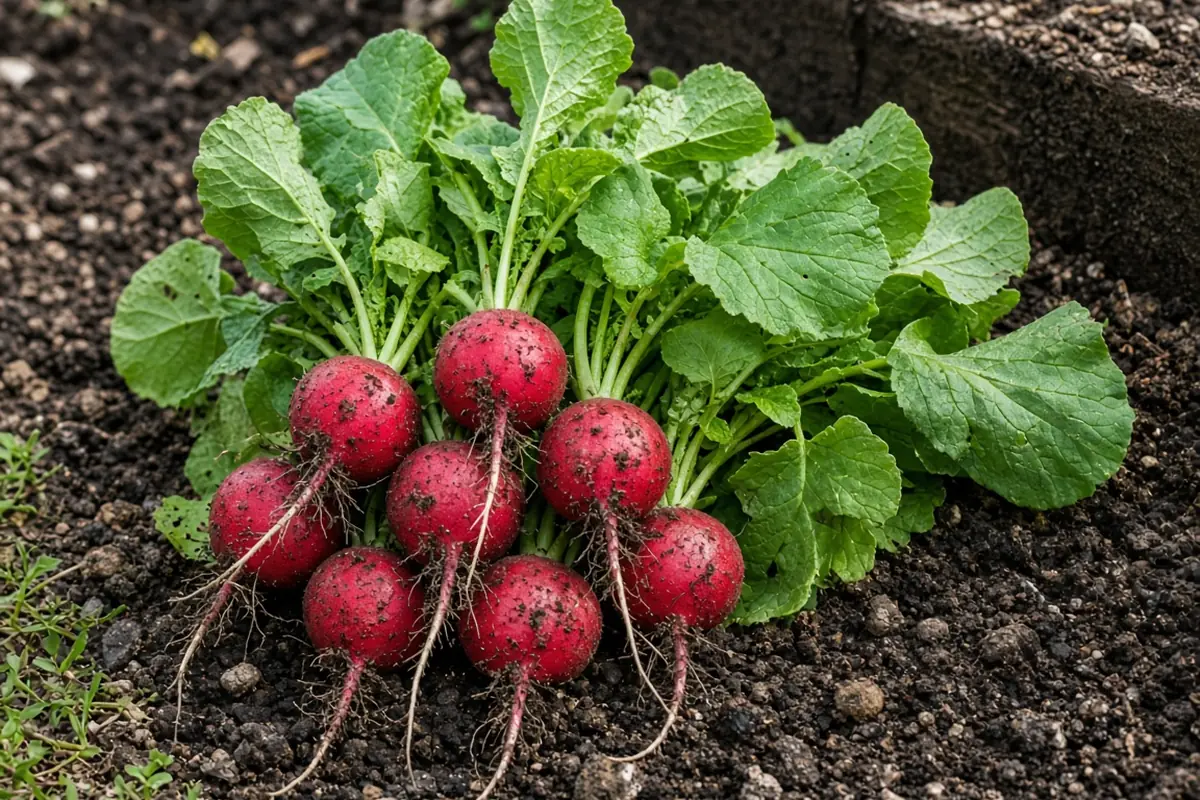
Both count. Minnesota says radishes like cooler weather and may flower or go woody in summer heat. NC State says roots turn woody with age, hot weather and bolting. Minnesota notes that uneven moisture can crack roots, and Oregon State says soil should stay evenly moist. Moisture checks are covered in checking soil moisture by feel and overwatering in a comprehensive guide to overwatering and cannabis growth.
How to: step by step
- Look at where the yellow starts on the leaf.
- Check for holes, spots or crinkling.
- Thin to about two inches apart.
- Water so the soil stays evenly moist.
- Sow in spring or fall when it is cool.
- Pull roots as soon as they reach edible size.
Troubleshooting
Yellow triangles at leaf edges: Minnesota links this to black rot. Remove the plants.
Crowded row: Illinois says thick, unthinned seeding slows roots. Thin now.
Hot weather: Illinois says later types like French Breakfast cope better with summer heat.
Kind Seed Co shares these plant notes for growers of all kinds. Plant pairings are covered in companion plants when growing marijuana.
Sources
- Growing radishes in home gardens, University of Minnesota Extension
- Radish, University of Illinois Extension
- Radishes, Oregon State University Extension
- Raphanus sativus (radish), NC State Extension Gardener Plant Toolbox
FAQ
Can I eat radish tops?
NC State Extension says the leafy tops can be eaten and are better cooked to improve their coarse texture. Oregon State says to use the greens within 3 days.
How long do radishes take to grow?
University of Minnesota Extension says seedlings emerge within ten days. Oregon State says to check the seed packet for the estimated days to harvest for your variety.
Why are my radishes all leaves?
Illinois lists seed planted too thickly without thinning, weather too hot for spring varieties and too much shade as reasons radish roots do not enlarge.
Can radishes grow in summer?
Illinois says later varieties such as Icicle or French Breakfast withstand heat better and suit late spring planting for summer harvest.
How far apart should radishes be?
Minnesota says to thin radishes to about two inches between plants. NC State says to thin small varieties to 1 to 3 inches apart.



