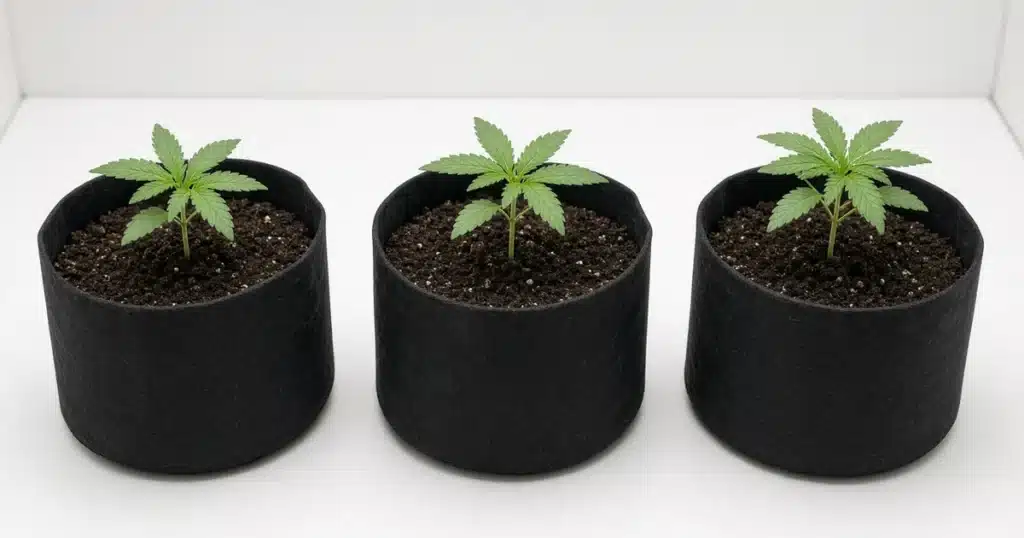
Growing Hydroponic Anise Hyssop: A Licorice Scented Herb for Towers
The short answer
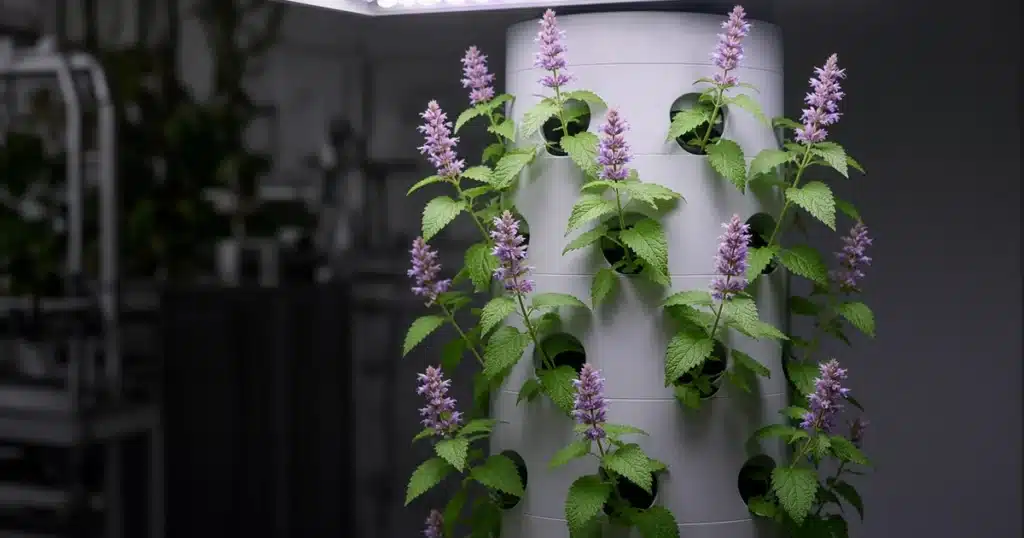
Hydroponic anise hyssop is a native herb in the mint family with licorice scented leaves and purple flower spikes. Extension guides note the seed needs light to sprout and often blooms the first year. In a tower, give it bright light and moving air, then cut leaves and flower spikes as you need them.
Can anise hyssop grow in a tower?
Anise hyssop is an herb, and herbs suit small indoor systems. University of Minnesota Extension notes that herbs and leafy greens are great choices for indoor hydroponic production in the winter. It also says to check the seed packet to see how large a plant will be.
That size check matters. NC State Extension describes Agastache foeniculum as an herbaceous perennial with an erect habit that grows 3 to 5 feet tall in the garden. University of Wisconsin Extension gives 2 to 4 feet tall and about 1 to 3 feet wide. A tower site won’t let a plant reach full garden size, but still place it where tall stems won’t shade smaller crops.
Roots are the other worry. Clemson Cooperative Extension notes that anise hyssop is susceptible to crown or root rot in soils that stay too wet, and NC State Extension says the same of poorly drained soils. In a tower, that points to roots that get air as well as water. Minnesota Extension advises keeping roots only 1/3 to 1/2 submerged once they develop beyond the net pot. For more on root zones, see hydroponic in different mediums.
How do you start anise hyssop from seed?
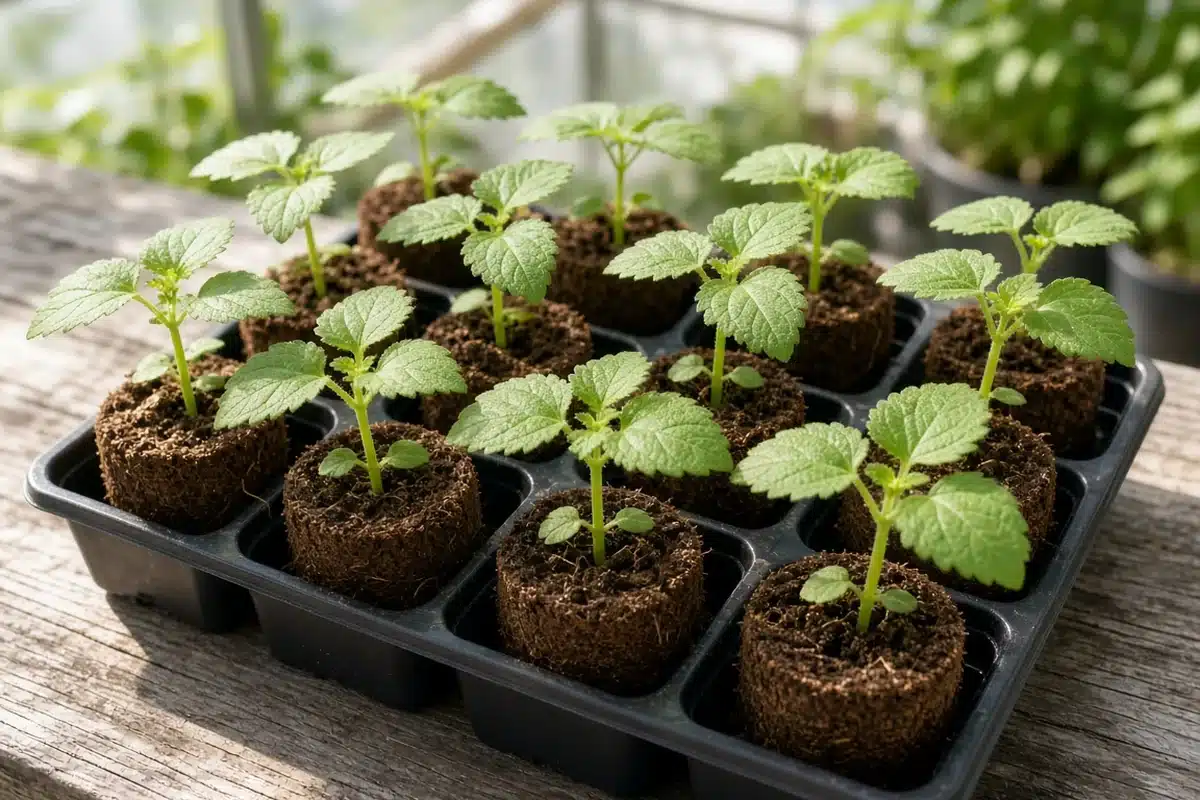
University of Wisconsin Extension says anise hyssop is easily started from seed and often blooms the first year. Seeds need light to germinate, so barely cover them. They should germinate in 1 to 4 weeks, and cold, moist stratification improves germination.
Minnesota Extension suggests starting seeds separately and then moving them into the hydroponic system after germination. It also advises keeping the growing area warm, ideally over 65°F, especially during germination.
| Need | Target | Notes |
|---|---|---|
| Seed depth | Barely covered | Seeds need light to germinate (University of Wisconsin) |
| Germination | 1 to 4 weeks | Cold, moist stratification helps (University of Wisconsin) |
| Start temperature | Over 65°F | Ideal for germination in hydroponics (University of Minnesota) |
| Light | Full sun to part shade outdoors | Indoors, artificial light is likely needed in winter (Clemson, University of Minnesota) |
| Air | Good circulation | Susceptible to powdery mildew and leaf spots (Clemson) |
| Roots | Partly submerged | Keep roots 1/3 to 1/2 in the solution (University of Minnesota) |
Sources: University of Wisconsin Extension, University of Minnesota Extension, Clemson Cooperative Extension.
Seedlings may sulk after moving. Wisconsin Extension notes that young plants wilt quickly when moved but recover in a few days. For upkeep once plants are in place, read caring for your hydroponic system.
How do you harvest anise hyssop?
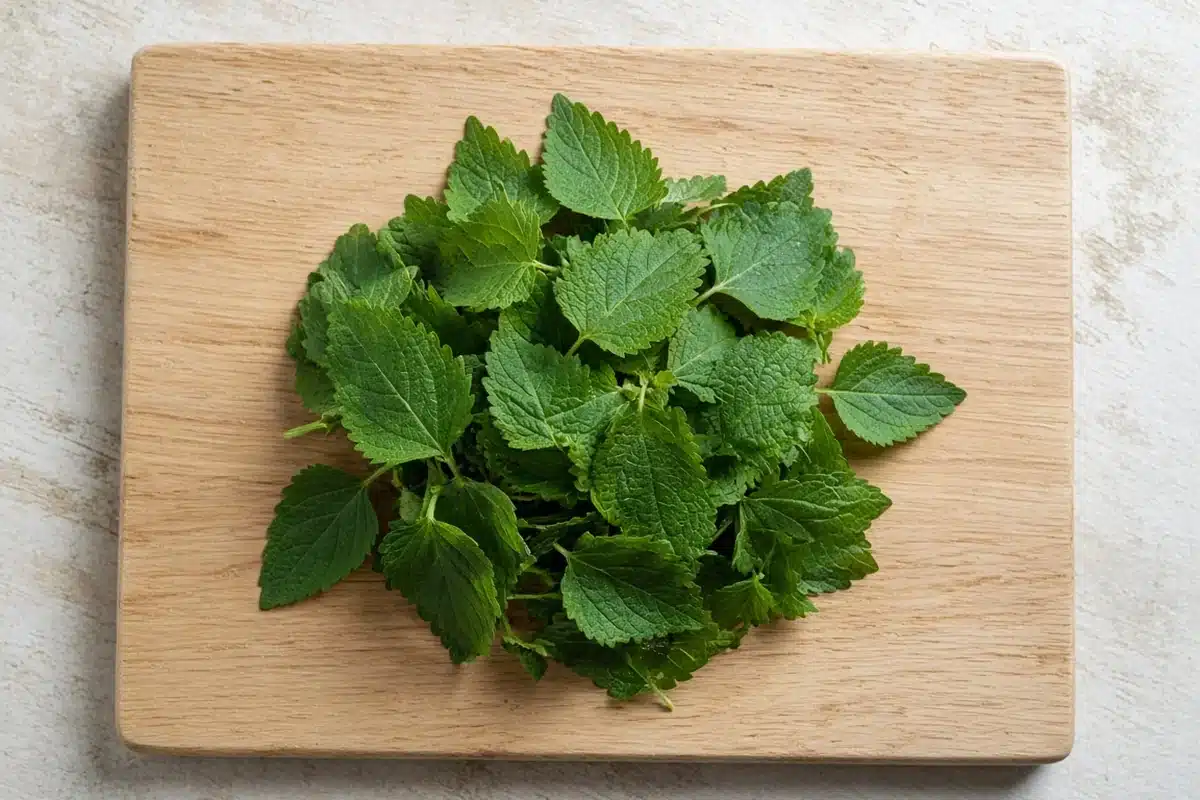
Leaves are the main harvest. University of Wisconsin Extension says the aromatic leaves have a licorice scent and are used in herbal teas, to flavor jellies or eaten fresh in small quantities in a salad with other greens. NC State Extension adds that the foliage can flavor salads and teas.
You can pick leaves anytime. Wisconsin Extension notes that the peak time to harvest foliage for drying is when the flowers are just past full bloom, since the oil content in the leaves is highest then. The dried leaves can also be used in potpourri.
Flower spikes are 3 to 6 inches long, according to NC State Extension. Clemson notes that deadheading spent flowers encourages new bloom spikes, so cutting spikes for the table helps the plant make more.
How to: step by step
- Press the seed onto the plug surface and barely cover it.
- Keep plugs moist and bright until they sprout.
- Move seedlings into tower sites.
- Give bright light and gentle airflow.
- Cut stems for leaves as the plant fills out.
- Harvest leaves and flower spikes as needed.
Plan timing with the rest of the tower. Germination can take up to 4 weeks, so start anise hyssop before faster herbs. Our post on the growing schedule for your hydroponics explains how to stagger starts.
Troubleshooting
Slow sprouting: seed covered too deeply. Wisconsin Extension says the seeds need light to germinate, so leave them barely covered.
Powdery leaves: Clemson lists powdery mildew and fungal leaf spots as problems and advises good air circulation. Add a small fan.
Wilting after transplant: normal for a few days, as both Wisconsin Extension and Clemson note. Keep the light steady and give the plant time.
Mushy crown: too much water at the base. Both NC State and Clemson link crown and root rot to wet conditions. Raise the plant so roots are only partly submerged.
A fragrant herb for a mixed tower
Anise hyssop adds scent and color to a tower of greens and herbs. NC State Extension notes this plant is native to the Midwest and North American prairies. The Kind Seed Co blog covers more soilless methods in its coco and hydro mixes section.
Sources
- Anise hyssop, Agastache foeniculum, University of Wisconsin Madison Division of Extension
- Anise hyssop, Clemson Cooperative Extension Home and Garden Information Center
- Agastache foeniculum (anise hyssop), NC State Extension Gardener Plant Toolbox
- Small scale hydroponics, University of Minnesota Extension
FAQ
Is anise hyssop related to anise?
No. University of Wisconsin Extension notes it is not closely related to hyssop or to anise, which is a different plant in the carrot family. Anise hyssop belongs to the mint family. Its leaves share the licorice scent of anise, which is where the common name comes from.
Do the flowers attract bees indoors?
Outdoors the flowers draw bees, butterflies and hummingbirds, as Clemson and Wisconsin Extension describe. Indoors there are few insects to visit them. You can still enjoy the flower spikes for color and cut them for the table, which also encourages new spikes to form.
Can anise hyssop be dried?
Yes. University of Wisconsin Extension says the peak time to harvest foliage for drying is when the flowers are just past full bloom, since oil content in the leaves is highest then. Dried leaves can be used in teas or in potpourri, as the same source notes.
How tall does it grow in a tower?
In the garden, NC State Extension lists 3 to 5 feet and Wisconsin Extension lists 2 to 4 feet. A tower site limits root room, so plants usually stay smaller. Place anise hyssop where its height won't shade smaller herbs or greens.
How long does anise hyssop take to sprout?
University of Wisconsin Extension says seed should germinate in 1 to 4 weeks. Barely cover the seed since it needs light to germinate. Cold, moist stratification improves germination, and a warm start area over 65°F helps, as University of Minnesota Extension notes for hydroponic seedlings.