Growing Hydroponic Celtuce: Stem Lettuce in Deep Water Culture
The short answer
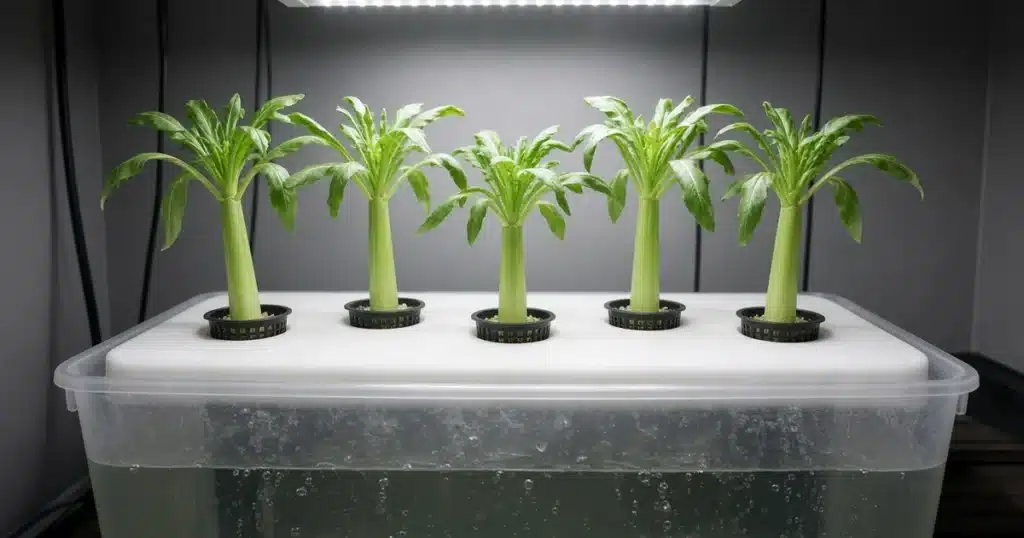
Hydroponic celtuce is a lettuce grown for its thick central stem rather than its leaves. It suits deep water culture because, like other lettuce, it likes cool and steady conditions. Give each plant extra room, hold the room cool and bright, then cut the stem once it has thickened and peel away the outer skin.
What is celtuce?
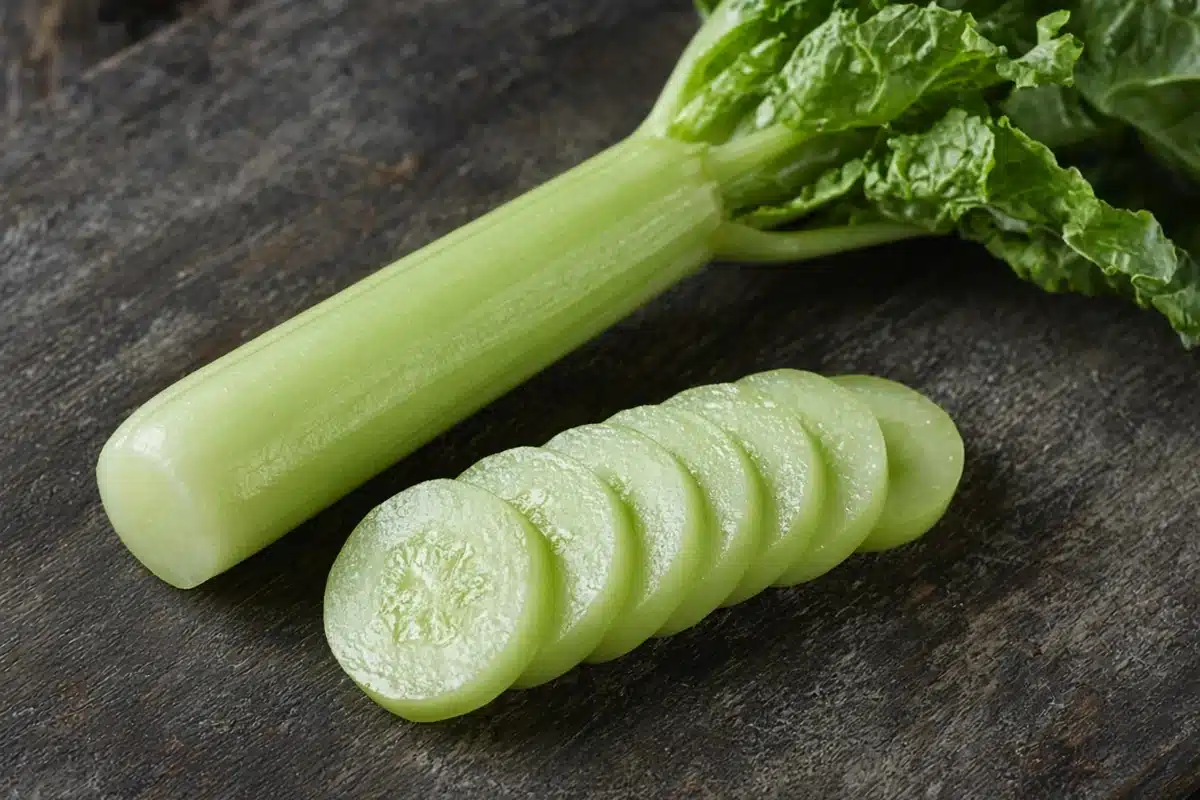
UF/IFAS Extension describes celtuce as a lettuce also known as stem lettuce, celery lettuce and asparagus lettuce. It is grown for its edible enlarged seed stalk, which resembles a cross between celery and lettuce. When peeled, the central stalk gives a soft, translucent green core that can be eaten fresh or cooked.
Leaves are a side harvest. The same source notes that the outer leaves can be eaten young but become bitter quickly. Most growers count the stem as the main crop and take just a few young leaves.
Celtuce is a form of Lactuca sativa, the same species as garden lettuce. NC State Extension describes lettuce as a cool season vegetable in the daisy family with a shallow root system that needs steady moisture. UF/IFAS notes that celtuce likes cool weather and should be planted in fall, winter or early spring outdoors. Indoors, you can give it cool weather year round.
How do you grow celtuce in deep water culture?
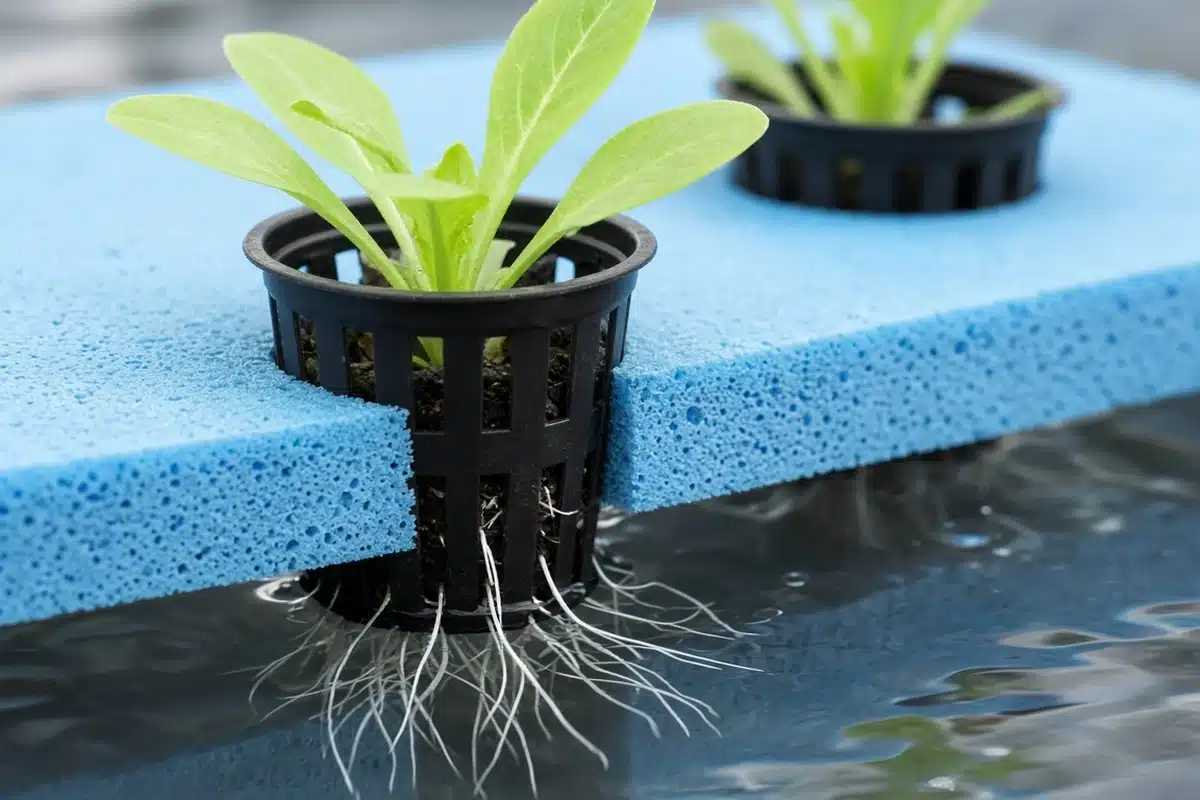
Virginia Cooperative Extension describes deep water culture, also known as a floating or raft system, as a pond with plant rafts, a pumping system for nutrient solution and oxygenation. It notes that DWC systems are generally less complex than other hydroponic systems. A single bucket with an air stone is a small version of this. For other ways to hold roots, see hydroponic in different mediums.
The University of Kentucky gives clear targets for hydroponic lettuce that are a useful starting point for celtuce.
| Stage | What you see | Next step |
|---|---|---|
| Seedling | Small plant in a plug | Move into a raft site once roots show |
| Young plant | Leaves forming a rosette | Pick a few young leaves before they turn bitter (UF/IFAS) |
| Stem growth | Central stalk thickening | Hold air below 75°F by day and 65°F by night (University of Kentucky) |
| Harvest | Thick, firm stalk | Cut and peel to reach the green core (UF/IFAS) |
Sources: UF/IFAS Extension, University of Kentucky Center for Crop Diversification.
The Kentucky guide gives more detail for the root zone and room. Lettuce wants pH in the range of 5.5 to 6.0 for nutrient uptake. Relative humidity should sit at 50 to 70 percent. Consistent airflow helps plants move water and take up calcium. Virginia Extension adds that most plants in DWC systems perform well at pH 5.5 to 6.2. Many leafy greens do well at EC 1.2 to 2.0 mS/cm. Check EC and pH two to three times each week.
Spacing matters more for celtuce than leaf lettuce, since you want a thick stem. Virginia Extension notes that lettuce rafts usually have plant spaces 8 inches apart. Leave empty sites between celtuce plants if your raft is tighter than that. Our post on caring for your hydroponic system covers the meters and checks that go with a raft or bucket.
When is celtuce ready to harvest?
Harvest when the central stalk is thick and firm. None of the sources listed here gives a fixed number of days, so judge by the stem rather than the calendar. As the plant matures, heat is the main risk. NC State Extension warns that high temperatures of 70 to 80°F and dry conditions can trigger lettuce to bolt and flower, turning leaves bitter.
To harvest, cut the stem at the base and strip the leaves. Peel away the outer skin to reach the soft green core that UF/IFAS describes. Use it fresh or cooked.
How to: step by step
- Start seed in plugs.
- Move seedlings into a raft or bucket.
- Give each plant extra space.
- Hold the room cool and bright.
- Watch the central stem thicken.
- Cut the stem and peel the outer skin.
Plan starts so there are always plants at each stage. The growing schedule for your hydroponics post explains how to stagger plantings.
Troubleshooting
Bitter stems or leaves: heat or a late harvest. NC State Extension links heat to bolting and bitterness. Cool the room and harvest sooner.
Thin stems: crowding. Space plants wider than you would for leaf lettuce.
Tip burn: the University of Kentucky describes tipburn as a calcium disorder at the edges of young leaves. It can be eased by lowering light or temperature, shortening the cycle and improving airflow.
Slow growth: check pH and EC. The Kentucky and Virginia guides both name pH and EC meters as basic tools for solution systems.
Where celtuce fits indoors
Celtuce is a good next step for anyone who already grows lettuce in rafts. It uses the same setup and the same cool conditions, but gives a crunchy stem in place of a head of leaves. The Kind Seed Co blog has more on coco and hydro mixes and other soilless methods.
Sources
- Celtuce, Lactuca sativa var. asparagina (archival), UF/IFAS Extension
- Lactuca sativa (lettuce), NC State Extension Gardener Plant Toolbox
- Hydroponic lettuce production in controlled environments, University of Kentucky Center for Crop Diversification
- Hydroponic production of edible crops: deep water culture (DWC) systems, Virginia Cooperative Extension
FAQ
Can you eat celtuce leaves?
Yes, while they are young. UF/IFAS Extension notes that the outer leaves can be eaten young but become bitter quickly. Pick a few early leaves for salads and leave the rest on the plant to feed the stem, which is the main harvest for most growers.
What does celtuce taste like?
UF/IFAS Extension says the enlarged stalk resembles a cross between celery and lettuce. Once peeled, the stalk gives a soft, translucent green core that can be eaten fresh or cooked. Use it raw in salads or cook it as you would other stem vegetables.
Does celtuce bolt like lettuce?
Celtuce is a lettuce, so heat affects it in a similar way. NC State Extension notes that high temperatures of 70 to 80°F and dry conditions can trigger lettuce to bolt and turn bitter. Holding the room cool helps the stem stay sweet and crisp until harvest.
How do you know when celtuce is ready?
Judge by the stem. Harvest when the central stalk is thick and firm. Sources don't list specific days. Check the plant often as it matures and cut it before heat or age turns it bitter.
What pH does celtuce need in hydroponics?
Celtuce follows lettuce targets. The University of Kentucky gives 5.5 to 6.0 as the optimal pH range for hydroponic lettuce. Virginia Cooperative Extension notes most plants in deep water culture perform well at pH 5.5 to 6.2 and advises checking pH two to three times a week.