Growing Hydroponic Land Cress: Upland Cress in Small Systems
The short answer
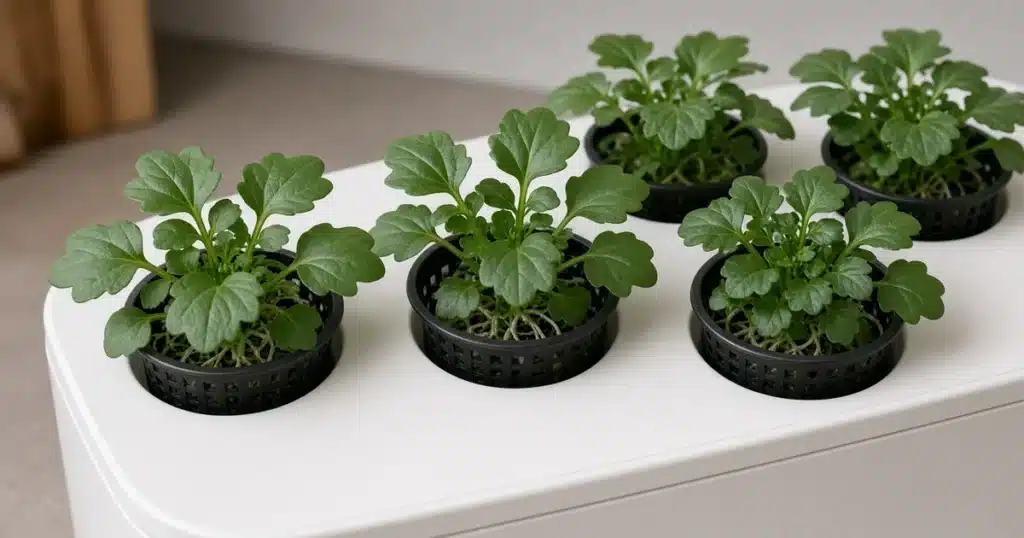
Hydroponic land cress, also called upland cress, is a cool season green with a bold, peppery taste. Kentucky State University notes it is ready to harvest 4 to 6 weeks after planting and that regular harvesting encourages new growth. Small NFT, raft or bucket systems all suit it in a cool, bright room.
What is land cress?
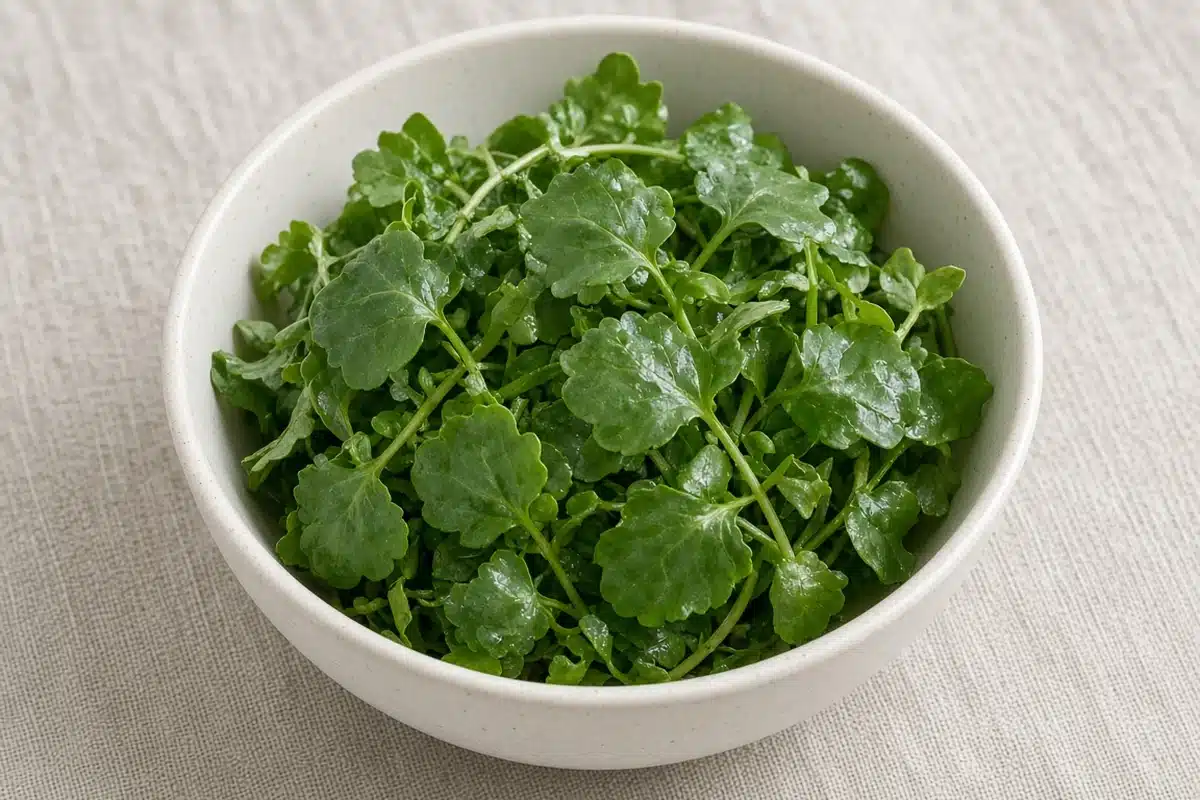
Land cress is Barbarea verna, a member of the mustard family. Kentucky State University Cooperative Extension lists its common names as upland cress, land cress and American cress. It describes the plant as a nutrient rich leafy green with a bold, peppery taste that was introduced to North America by early settlers.
UF/IFAS Extension describes upland cress as a hardy, sharp tasting leafy green used as a salad garnish or potherb. It notes the crop is grown in cool seasons and valued for its edible leaves, which may be eaten raw or cooked.
Land cress is often compared with watercress. Kentucky State points out the key difference: unlike watercress, upland cress is grown in soil rather than aquatic environments. In a hydroponic system, though, it grows happily with its roots in nutrient solution.
Which small systems suit land cress?
Kentucky State names several hydroponic systems that suit upland cress.
| Feature | Detail | Notes |
|---|---|---|
| Germination | 5 to 10 days | Preferred range is 50 to 72°F |
| Light | Partial to full sun | Use lights indoors in winter |
| Harvest | 4 to 6 weeks after planting | Regular picking encourages new growth |
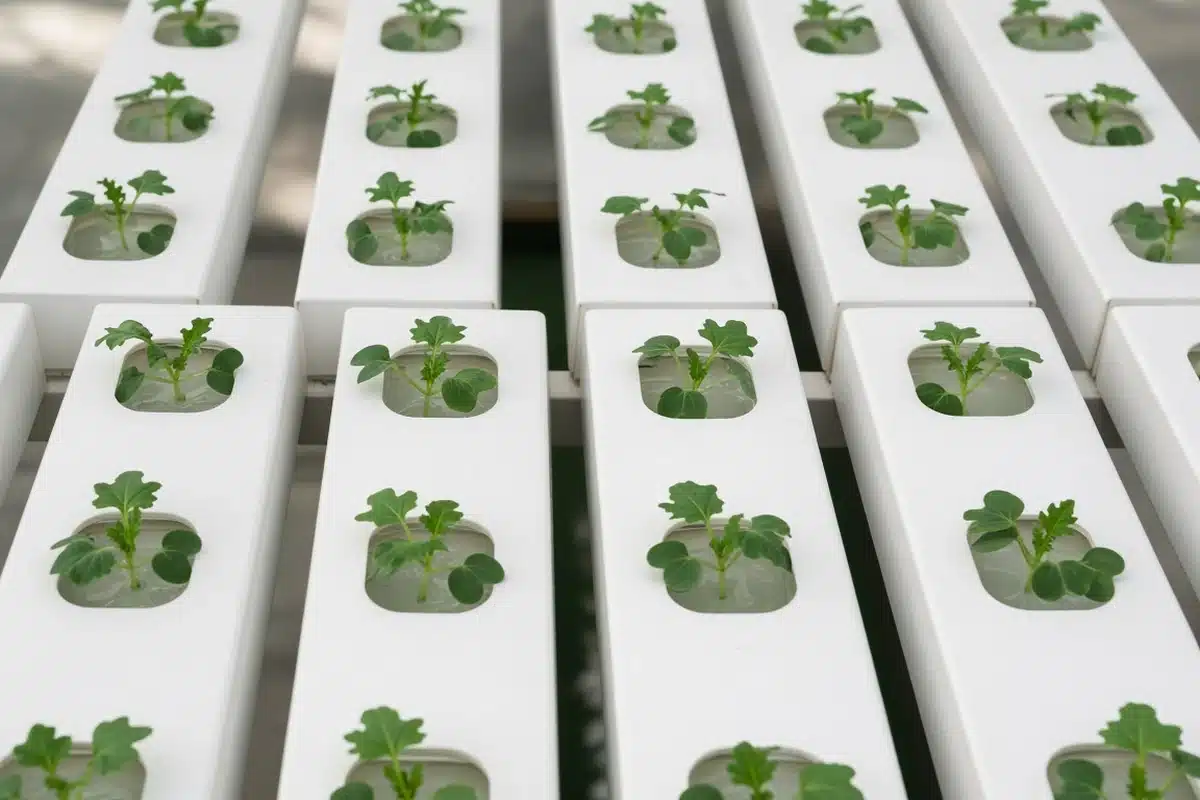
| NFT | Thin stream of solution in channels | Ideal for small leafy greens like cress |
| Deep water culture | Plants float with air stones for oxygen | Easy to maintain |
| Ebb and flow | Bed floods with solution then drains | Suits home or community gardens |
Sources: Kentucky State University Cooperative Extension, University of Minnesota Extension.
University of Minnesota Extension says the simplest home systems fall into deep water culture, where plants are suspended above a tank of water and the roots hang into it. Your container can be as simple as a 5 gallon bucket or a plastic storage bin, as long as it’s clean and food grade. Polystyrene sheets can rest over the top or float on the water to hold the plants. For other ways to anchor roots, see hydroponic in different mediums.
Minnesota Extension notes that herbs and leafy greens are great choices for indoor production in winter, and that you will likely need artificial lights then. Our post on caring for your hydroponic system covers the routine checks that a small system needs.
How do you harvest land cress?
Start picking once plants are established, since Kentucky State says upland cress is ready to harvest 4 to 6 weeks after planting and that regular harvesting encourages new growth and prevents bolting. Take outer leaves and let the center grow on.
Temperature matters for flavor and for how long plants last. Kentucky State notes that upland cress thrives in cool climates, and UF/IFAS describes it as a cool season crop. A cool room holds off bolting.
How to: step by step
- Sow seed thickly in plugs.
- Hold plugs cool and moist.
- Move seedlings into NFT or a raft.
- Hold the room cool and bright.
- Pick outer leaves once plants are established.
- Sow again every few weeks.
Because the harvest window starts at 4 to 6 weeks, new sowings every few weeks give a steady supply. The growing schedule for your hydroponics post explains how to plan rolling starts.
Troubleshooting
Bolting: heat or skipped harvests. Kentucky State says regular harvesting prevents bolting and that the crop thrives in cool conditions. Cool the room and pick often.
Very sharp taste: UF/IFAS calls upland cress sharp tasting by nature, so pick younger leaves for a milder bite.
Slow growth: low light. Kentucky State lists partial to full sun as preferred, so add light.
Poor germination: warm plugs. Kentucky State gives 50 to 72°F as the preferred range for sprouting.
Land cress for a peppery harvest
Land cress gives a watercress style bite without needing running water. It’s quick, small and suited to a bucket or a short NFT channel. The Kind Seed Co blog has more on coco and hydro mixes and other soilless setups.
Sources
- Upland cress, Barbarea verna (archival), UF/IFAS Extension EDIS
- Upland cress fact sheet, Kentucky State University Cooperative Extension
- Small scale hydroponics, University of Minnesota Extension
FAQ
Is land cress the same as watercress?
No. Kentucky State University notes that unlike watercress, upland cress is grown in soil rather than aquatic environments. Both have a peppery taste, which is why land cress is often used in the same way. In hydroponics, land cress grows well with its roots in nutrient solution.
How long does land cress take?
Kentucky State University says upland cress is ready to harvest 4 to 6 weeks after planting. Seeds typically sprout within 5 to 10 days in the preferred range of 50 to 72°F. Cool, bright conditions help plants reach harvest size without bolting.
Does land cress regrow?
Yes, with regular picking. Kentucky State University says regular harvesting encourages new growth and prevents bolting. Pick the outer leaves and leave the center of the plant to keep growing. Sow fresh plugs every few weeks so new plants are ready when older ones slow down.
Can land cress grow in a countertop unit?
Compact hydroponic systems suit it well. University of Minnesota Extension notes that a simple deep water culture container can be a 5 gallon bucket or a plastic storage bin. Kentucky State names NFT as ideal for small leafy greens like cress. Indoors, add a light in winter.
How do you eat land cress?
UF/IFAS Extension describes upland cress as a salad garnish or potherb whose leaves may be eaten raw or cooked. Young leaves give a milder bite, while older leaves are sharper. Use it as you would watercress in salads and sandwiches or cook it with other greens.