
Hydroponic Channel Covers: Lids That Block Light and Hold Cups
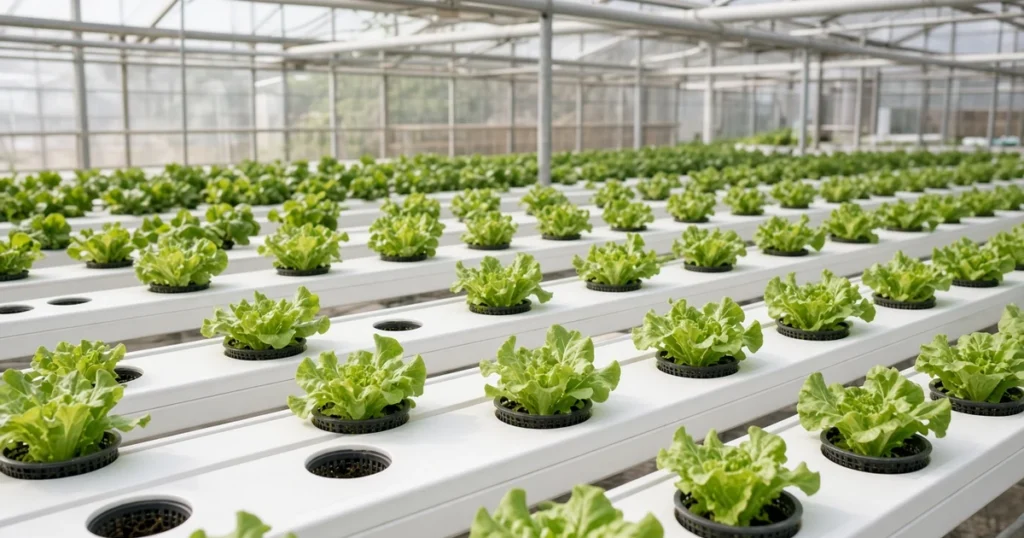
Hydroponic channel covers are the lids on NFT channels that hold net cups and block light from the flowing solution. Virginia Cooperative Extension describes NFT as a system where a thin film of solution is pumped through channels past the roots, and covers sit on top of that flow.
The short answer
A channel cover is an opaque lid with holes sized for net cups. University of Minnesota Extension advises opaque materials to cut light that feeds algae. A good cover fits the channel, holds each cup by its lip and comes off for cleaning between crops with soapy water and a sanitizer.

What do channel covers do?
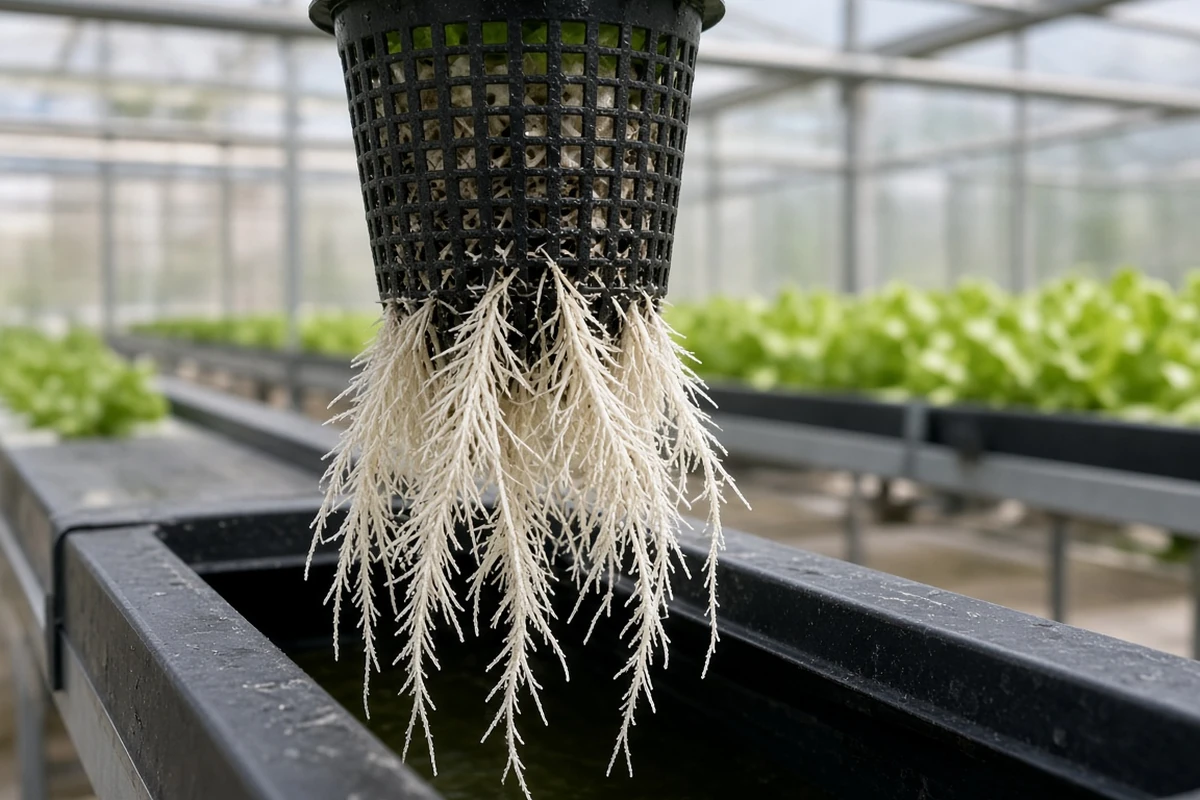
In an NFT system, Virginia Cooperative Extension explains, solution is pumped from a reservoir into the channels and flows past exposed roots by gravity before draining back. Over that flow, the cover does two jobs. First, it holds plants. Minnesota Extension describes net pots resting in holes with only the lip on top so roots reach the water. Second, it blocks light. Minnesota Extension blames light reaching growing areas for algae and recommends opaque materials. For how this compares with other setups, see hydroponic in different mediums.
What makes a good channel cover?
Start with fit. Virginia Extension says commercial channels are flat on the bottom, usually 4 inches wide and 1½ to 2 inches deep, and some have removable top caps. Holes should match your cups. Minnesota Extension says the hole should take most of the pot while the lip rests on top. Spacing depends on the crop. Virginia Extension gives 8 inches on center for most leafy greens, and UMass describes 3 inch PVC pipes with holes 6 inches on center for leaf lettuce. Color affects heat. Virginia Extension notes white tubing reflects heat and holds the solution cooler, which points toward light colored opaque lids.
How do you clean covers between crops?
Minnesota Extension advises a thorough cleaning of all growing areas between cycles with warm soapy water, followed by a food grade bleach or peroxyacetic acid solution. It also says to start with clean containers and equipment, then empty, clean and sanitize the system between plantings. Fold cover cleaning into the routine in caring for your hydroponic system and plan it around crop turnover in growing schedule for your hydroponics.
Channel cover checklist
| Feature | Why it matters | Notes |
|---|---|---|
| Opaque material | Cuts light that feeds algae | UMN Extension |
| Snug holes | Cup lip rests on top | UMN Extension |
| Spacing | Fits the crop | 8 in greens, 6 in lettuce |
| Removable cap | Allows cleaning | Some commercial channels |
| Light color | Reflects heat | Noted for tubing |
Sources: Virginia Cooperative Extension, UMass Amherst, University of Minnesota Extension.
How to: step by step
- Pick an opaque cover that fits the channel.
- Match hole size to the net cups.
- Space holes for the crop you grow.
- Plug unused holes.
- Check that light does not reach the solution.
- Wash covers between crops.
Troubleshooting
Green slime in channels: light leaks. Plug spare holes and close gaps.
Cups tip over: loose holes. Use a cover with holes sized to the lip.
Warm channels: dark covers in sun. Use light colored opaque covers.
Kind Seed Co shares more garden project notes on the blog.
Sources
- Hydroponic production of edible crops: nutrient film technique (NFT) systems (SPES-463), Virginia Cooperative Extension
- Hydroponics: NFT system, UF IFAS Extension Polk County
- Hydroponic systems, UMass Amherst Center for Agriculture, Food, and the Environment
- Small-scale hydroponics, University of Minnesota Extension
FAQ
Why do NFT channels need lids?
University of Minnesota Extension says to reduce light reaching the growing areas and reservoir to limit algae, using opaque materials and a lid. A channel lid also gives net cups a place to sit with roots hanging into the film of solution below.
Can you cut your own channel covers?
Virginia Cooperative Extension notes that growers drill plant spaces into PVC pipe channels with a drill bit or hole saw. Minnesota Extension describes drilling net pot sized holes so the pot drops in and the lip rests on top. It works the same way for a flat lid.
What color should covers be?
The sources don't name a lid color. Virginia Cooperative Extension says white tubing reflects heat and holds the solution cooler while black tubing does the opposite, so a light colored opaque lid is a reasonable choice in warm rooms.
How often should covers be cleaned?
University of Minnesota Extension advises a thorough cleaning of all growing areas between growing cycles, with warm soapy water followed by a food grade sanitizer. So the end of each crop is the natural time to wash covers.
What can you use for a lid?
Minnesota Extension says a bucket lid with drilled holes is the most common plant support and that sheets of extruded polystyrene insulation work when there is no lid. Virginia Extension adds that some commercial channels come with removable top caps.



