
Hydroponic Kale Bitter: Heat Stress Leaf Age plus Water
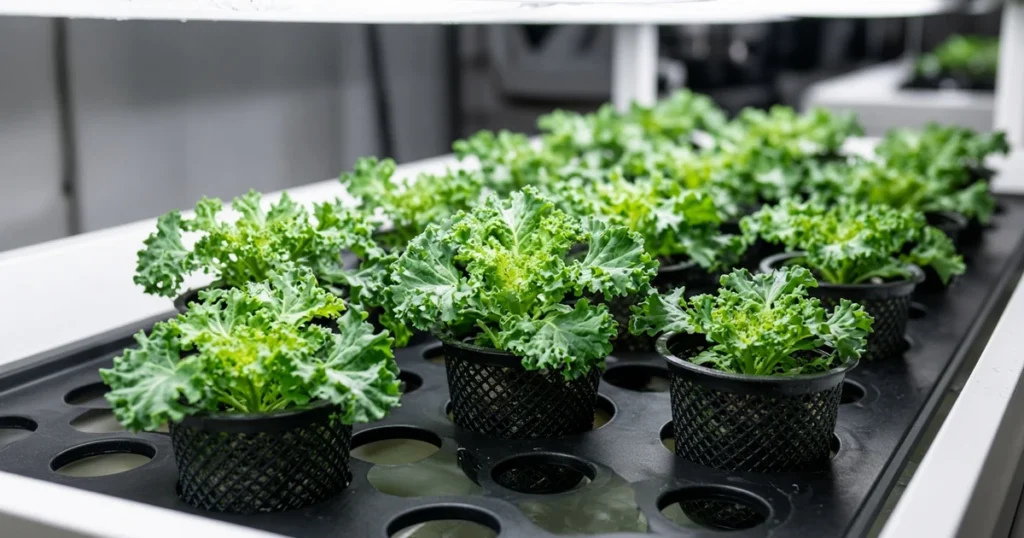
Hydroponic kale bitter flavor usually traces to stress. University of Minnesota Extension notes kale that is overheated or struggling to take up water produces compounds that give pungent or bitter flavors. The mildest leaves come from fast growth in cool conditions, harvested young.
The short answer
Bitter hydroponic kale is usually a sign of heat or water stress. University of Minnesota Extension notes flavorful, tender leaves come from fast growth without heat or moisture stress. Older leaves are tougher. NC State Extension notes kale is a cool season green plus cold weather makes the leaves sweeter.
What changes kale flavor?
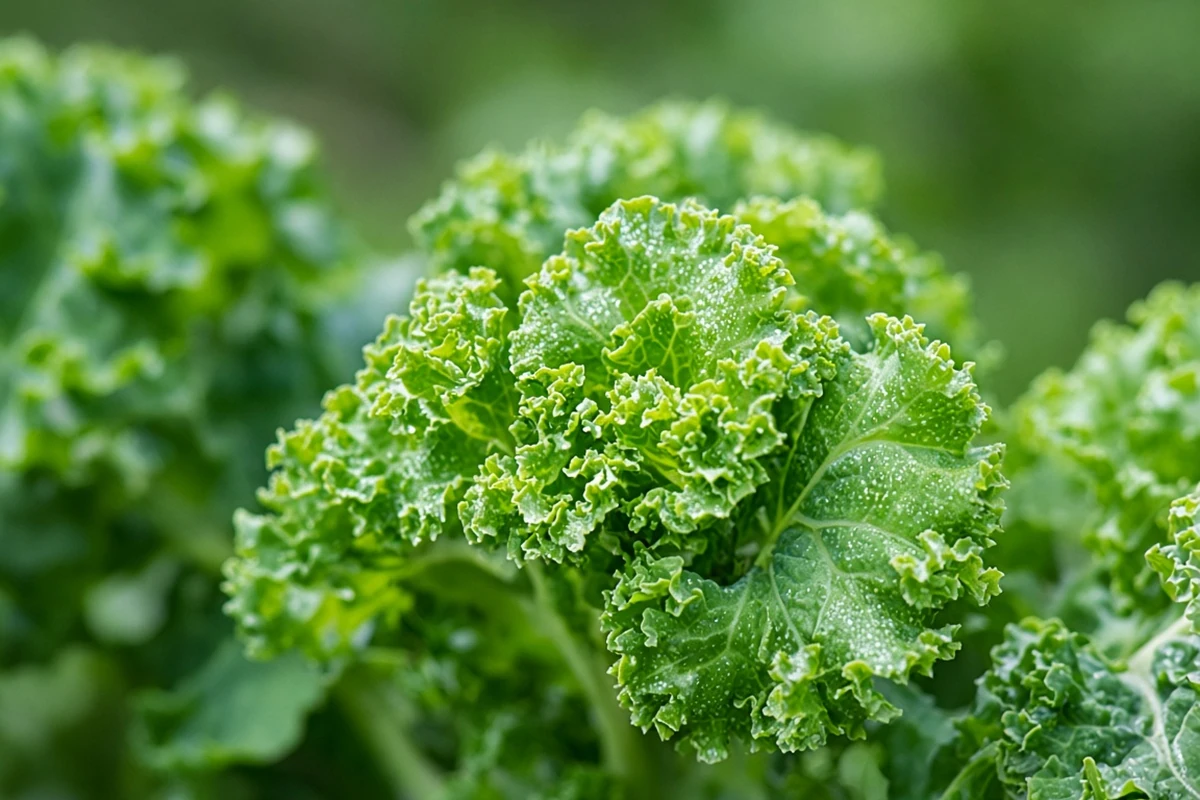
Extension sources link flavor to temperature, water plus leaf age.
| Factor | Effect on flavor | Source |
|---|---|---|
| Heat | Harsh, bitter flavor | University of Minnesota Extension |
| Water stress | Pungent or bitter leaves | University of Minnesota Extension |
| Cool weather | Sweeter leaves | NC State Extension |
| Leaf age | Older leaves tougher | NC State Extension |
| Over maturity | Bitter plants | University of Maryland Extension |
Sources: University of Minnesota Extension, NC State Extension plus University of Maryland Extension.
Why does heat cause bitterness?
University of Minnesota Extension notes heat slows kale growth plus leaves turn tough plus harsh flavored. Plants that are overheated produce compounds that cause bitter flavors. University of Tennessee Extension notes solution temperature is one of the conditions to control in a hydroponic system, along with EC plus pH.
Does leaf age matter?
Yes. NC State Extension notes tender young center leaves are mild, while larger older leaves are chewier. University of Maryland Extension notes greens become bitter when overly mature. Harvest outer leaves often plus pick baby greens 20 to 30 days after seeding.
How to: step by step
- Taste a young leaf plus an old leaf.
- Check air plus solution temperature.
- Chill the grow area if it runs warm.
- Check the solution level daily.
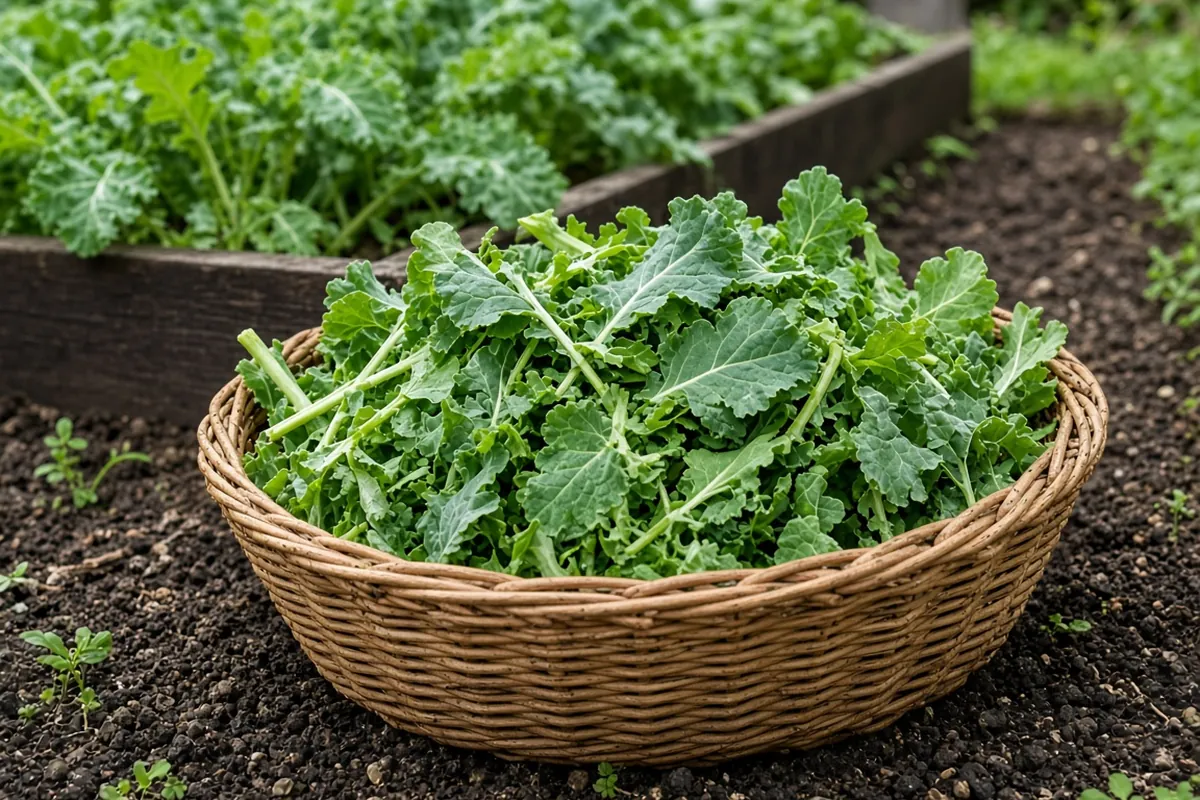
- Harvest outer leaves often.
- Replant old spots with new seedlings.
Troubleshooting
Leaves bitter in summer: heat stress. Cool the room plus the solution.
Leaves tough plus harsh: slow growth. Ease stresses so growth speeds up.
Whole plant bitter: over mature. Start new seedlings.
For related reading see ideal environment for your hydro setup, caring for your hydroponic system plus cannabis heat stress. Kind Seed Co also stocks cannabis seeds.
Sources
- Growing collards and kale in home gardens, University of Minnesota Extension
- Kale, NC State Extension
- Growing leafy greens in a home garden, University of Maryland Extension
- Leafy crop production in small scale soilless and hydroponic systems (W 844 B), University of Tennessee Extension
FAQ
Does cold weather make kale sweeter?
Yes. NC State Extension advises waiting to harvest until frost or cold weather for sweeter leaves. University of Maryland Extension notes frost increases the sugar content plus flavor of kale leaves. Indoors you cannot add frost, but a cooler room slows bitterness compared with a warm one.
Which kale leaves are mildest?
The young center leaves. NC State Extension notes the tender young center leaves are mildest, while larger older leaves are chewier. In a hydroponic system, pick outer leaves regularly so the plant continues producing new tender leaves from the center.
Does water stress cause bitter kale?
Yes. University of Minnesota Extension notes kale that is struggling to take up water produces compounds that cause pungent or bitter flavors. NC State Extension notes kale tolerates drought but leaf quality plus flavor suffer. In hydroponics, check the solution level plus roots often so roots never dry out.
Is kale a good hydroponic crop?
Yes. University of Tennessee Extension lists kale, mustard, pak choy plus mizuna as leafy crops that grow well in hydroponic systems. It notes solution conditions such as temperature, EC plus pH must be well controlled. Many kale cultivars were developed for soil, so trying a few types helps.
Why does fast growth matter for kale flavor?
University of Minnesota Extension notes top quality kale, with flavorful, tender, non bitter leaves, results from fast growth without heat or moisture stress. Slow growth under stress produces tougher, harsher flavored leaves. Steady temperatures plus a well managed solution give the quick growth that leads to mild leaves.



