Hydroponic Lettuce Leaves Curling: Calcium Heat Plus Air
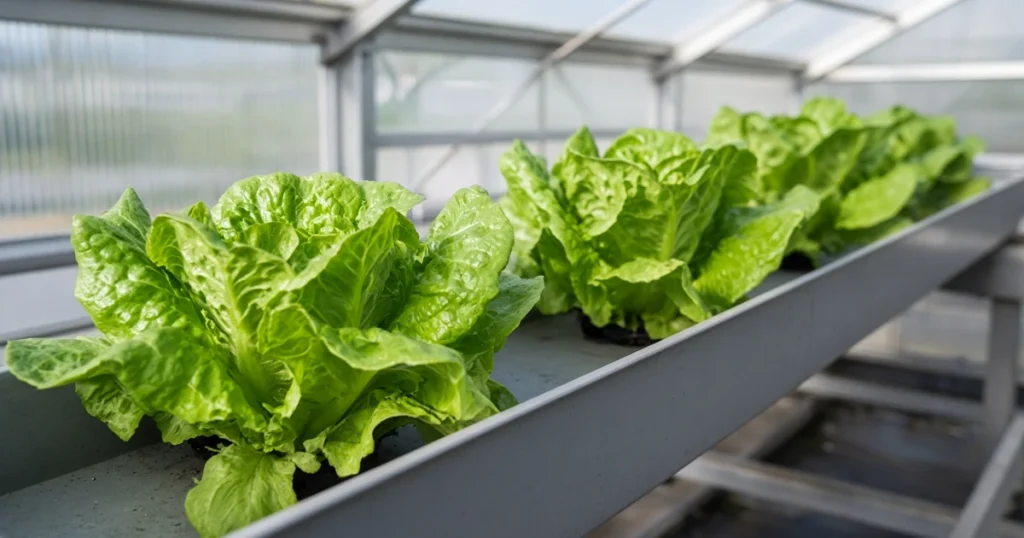
Hydroponic lettuce leaves curling with brown edges often point to tipburn. UC IPM notes tipburn comes from a shortage of calcium in fast growing tissue. Calcium moves with water through the plant, so heat, still air plus rapid growth all play a part. Fix the room before you change the feed.
The short answer
Curled young leaves with brown margins usually mean tipburn. UC IPM notes calcium travels with transpiration, so inner leaves that lose little water get too little. University of Kentucky advises air under 75 F by day plus 65 F at night, with steady airflow. Choose cultivars less prone to tipburn.
What causes lettuce leaves to curl?
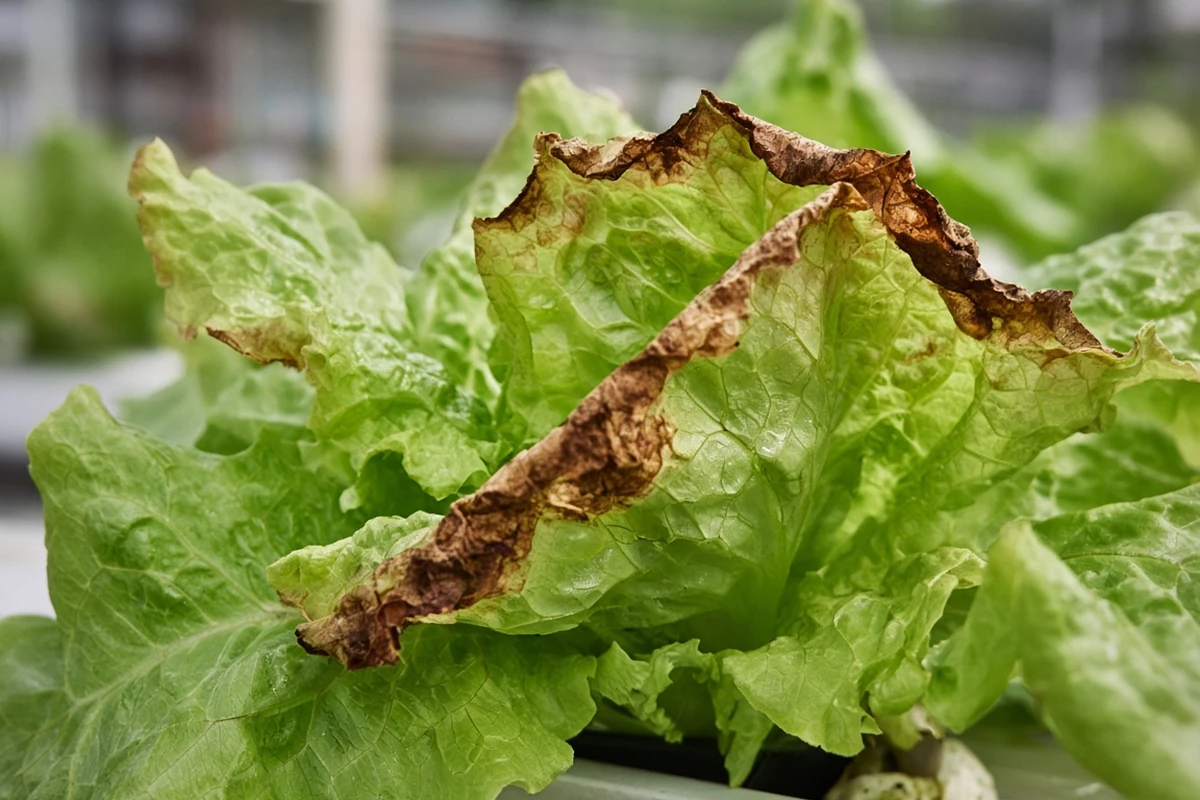
UC IPM notes tipburn browns the margins of young leaves as they expand. Calcium moves with the water a leaf loses, and inner leaves lose less water. Conditions that favor rapid growth worsen it. Utah State University Extension notes tipburn risk rises with excess nitrogen plus high or low temperatures.
| Cause | Sign | Fix |
|---|---|---|
| Low calcium in growing tissue | Brown edges on young leaves | Improve airflow |
| Hot air | Tipburn plus early bolting | Cool the room |
| Still or humid air | Weak transpiration | Run a fan |
| Excess nitrogen | Lush growth with tipburn | Follow the feed directions |
| Prone cultivar | Tipburn year after year | Grow a resistant cultivar |
Source: UC IPM, Utah State University Extension plus University of Kentucky.
How do heat plus airflow play a part?
University of Kentucky advises air temperature no higher than 75 F during the day plus 65 F at night. It advises relative humidity of 50 to 70% with steady air movement. That airflow powers transpiration, which carries calcium to the leaves. It notes heat also pushes lettuce to bolt.
Does water temperature matter?
UF/IFAS notes lettuce grows well with solution temperatures from 65 to 80 F. A reservoir running warmer than that adds heat stress at the roots. UC IPM notes calcium sprays do little for tipburn on inner leaves, since spray cannot reach growing tissue inside the head.
How to: step by step
- Look for brown margins on young inner leaves.
- Check air temperature by day plus night.
- Check relative humidity near the canopy.
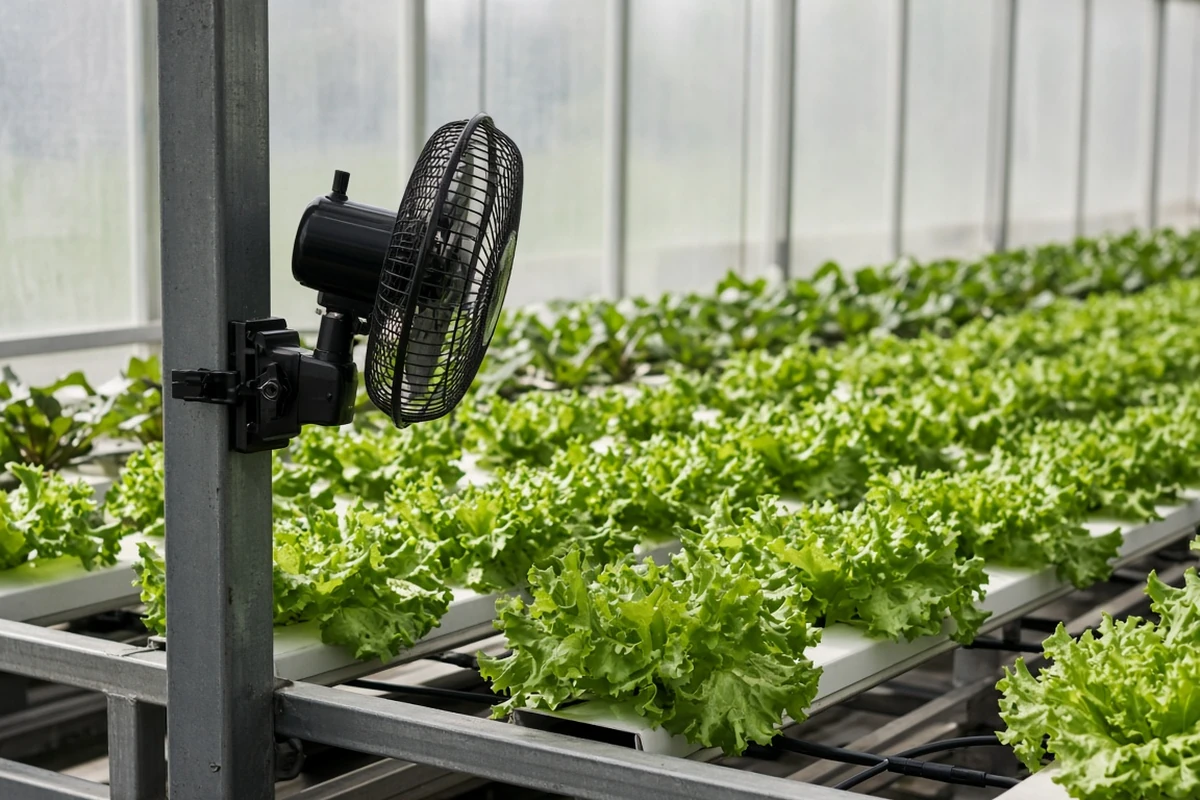
- Place a fan for steady airflow.
- Check reservoir temperature.
- Grow a cultivar less prone to tipburn next round.
Troubleshooting
Brown curled edges on inner leaves: low calcium flow. Improve airflow.
Curling plus early bolting: hot air. Chill the room.
Tipburn on lush, fast plants: excess nitrogen. Follow the feed directions.
For related reading see calcium and cannabis plants, caring for your hydroponic system plus cannabis heat stress. Kind Seed Co also stocks cannabis seeds.
Sources
- Tipburn, lettuce pest management guidelines, UC IPM, University of California
- Leafy greens physiological problems, Utah State University Extension
- Growing lettuce in small hydroponic systems (HS1422), UF/IFAS Extension
- Hydroponic lettuce production in controlled environments, University of Kentucky Center for Crop Diversification
FAQ
Is curling lettuce a calcium problem?
Often, but not from the feed alone. UC IPM notes tipburn comes from too little calcium reaching growing tissue. Calcium moves with transpiration, so inner leaves get less. A solution with plenty of calcium can still give tipburn when heat, still air or rapid growth slow how calcium reaches leaves.
Will calcium sprays fix tipburn?
Not on inner leaves. UC IPM notes calcium sprays do not reach growing tissue inside the head, so they do little there. Work on the room instead. Steady airflow, moderate humidity plus cooler air help transpiration move calcium into young leaves. Pick less prone cultivars for the next planting too.
What humidity suits hydroponic lettuce?
University of Kentucky advises relative humidity of 50 to 70%. Air that is too humid slows transpiration, and that slows calcium flow to the leaves. Pair that range with steady air movement across the canopy. A small fan running near the plants helps hold the leaf surface active through the day.
Can heat make lettuce curl?
Yes. Utah State University Extension notes tipburn risk rises with high or low temperatures. University of Kentucky advises air no higher than 75 F by day plus 65 F at night. It notes heat also pushes lettuce to bolt. Move the system to a cooler spot or add airflow when the room runs hot.
Should I cut off curled lettuce leaves?
You can trim leaves with brown edges for a neater plant, but trimming will not stop new tipburn. Fix the cause first by checking air temperature, humidity, airflow plus reservoir temperature. UC IPM notes resistant cultivars are a practical option, so try one for the next round if tipburn returns.