
Hydroponic New Growth Pale? Mobile vs Immobile Nutrients

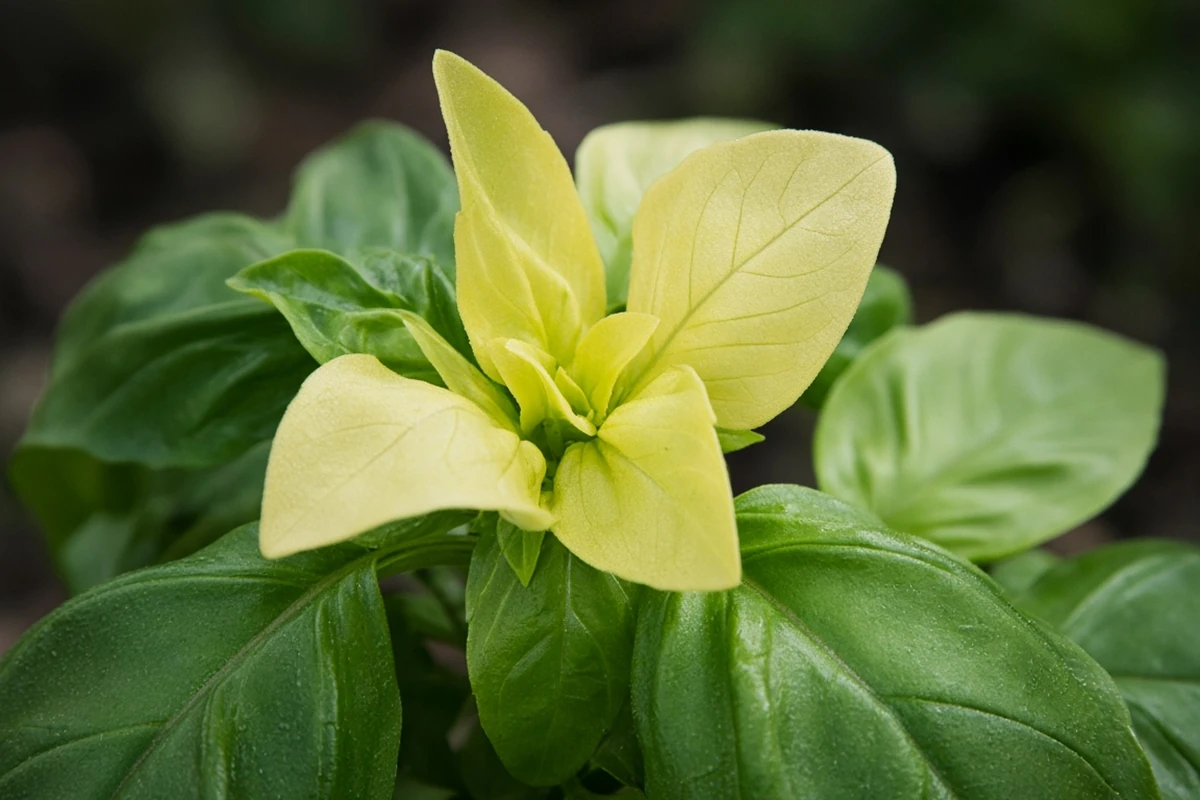
Hydroponic new growth pale often points to an immobile nutrient such as iron, which the plant cannot move from old leaves to new ones. University of Delaware Extension explains that mobile nutrient shortages show in older parts of the plant first, while immobile ones show in new growth. Check pH first.
The short answer
Hydroponic new growth pale usually means an immobile nutrient is short. University of Delaware Extension notes immobile nutrients cannot move within the plant, so new growth shows the problem first. UC Statewide IPM notes iron or manganese shortage gives new leaves that are yellow to whitish with green veins. High pH often limits iron.
What makes a nutrient mobile or immobile?
University of Delaware Extension notes a nutrient is mobile if the plant can move it from one part to another as needed. Immobile nutrients stay where they were first placed, so new leaves run short.
| Nutrient type | Where symptoms show first | Examples |
|---|---|---|
| Mobile | Older leaves | Nitrogen plus magnesium |
| Immobile | New growth | Iron, manganese plus zinc |
Source: University of Delaware Extension plus UC Statewide IPM.
Why does pH affect iron uptake?
UC Statewide IPM notes iron plus manganese shortage is common in plants grown at high pH. University of Florida IFAS notes most micronutrients become unavailable at high pH. In hydroponics the same idea applies to the solution, so check pH before adding anything.
How do you tell new leaf problems from old leaf problems?
UC Statewide IPM notes nitrogen shortage makes older leaves uniformly pale while new growth stays green. Iron shortage does the reverse, with new leaves yellow to whitish plus green veins. See which leaves changed first, then match the pattern.

How to: step by step
- Mark which leaves are pale, new or old.
- Check pH of the solution.
- Bring pH back into the target range if it is high.
- Check EC to see if the solution is too weak.
- Use a complete nutrient that includes micronutrients.
- Watch new leaves through the next week for greening.
Troubleshooting
New leaves pale with green veins: iron shortage or high pH. Correct pH first.
Old leaves yellow first: a mobile nutrient is short. Raise solution EC to the target.
Whole plant pale: the solution is weak. Remix it.
For related reading see how to spot 8 common cannabis plant deficiencies by leaf symptoms, chelated micronutrients for cannabis plus ph meter calibration. Kind Seed Co also stocks cannabis seeds.
Sources
- Common nutrient deficiency symptoms, UC Statewide IPM Program
- Identifying nutrient deficiencies in ornamental plants, University of Delaware Cooperative Extension
- Movement of plant nutrients (HS1373), UF/IFAS Extension
- Hydroponic nutrient solutions (G6984), University of Missouri Extension
FAQ
Which nutrients are immobile in plants?
University of Delaware Extension notes immobile nutrients cannot move to different parts of the plant, so symptoms show first in new growth. UC Statewide IPM describes iron, manganese plus zinc shortages showing on new foliage. These are the first nutrients to suspect when only the newest leaves turn pale.
Can old leaves recover from a deficiency?
Old leaves may green slightly once the shortage is fixed, but badly damaged leaves often stay pale. The clearer sign is new growth. When pH plus nutrients are corrected, the next leaves to form should come in green. Judge progress by those new leaves rather than the old ones.
Does light affect new leaf color?
Light plays a part in overall growth, but the pale new leaf pattern with green veins described by UC Statewide IPM points to iron or manganese. Check pH plus nutrients before changing the light. If those readings are in range, look at light levels as a second step.
Should I add iron on its own?
Start with pH. UC Statewide IPM notes iron shortage is common at high pH, so iron may already be present but locked up. Correcting pH often frees it. University of Delaware Extension notes a simple analysis can prevent excess fertilizer use, so check before adding one nutrient.
Can zinc shortage look like iron shortage?
Yes. UC Statewide IPM notes zinc shortage makes leaves uniformly yellowish or pale between the veins, especially on new growth. New leaves may also be narrow plus undersized. Since both show on new growth, check pH plus use a complete nutrient that supplies every micronutrient.



