Hydroponic Roots Turning Black: Rot Salts or Heat
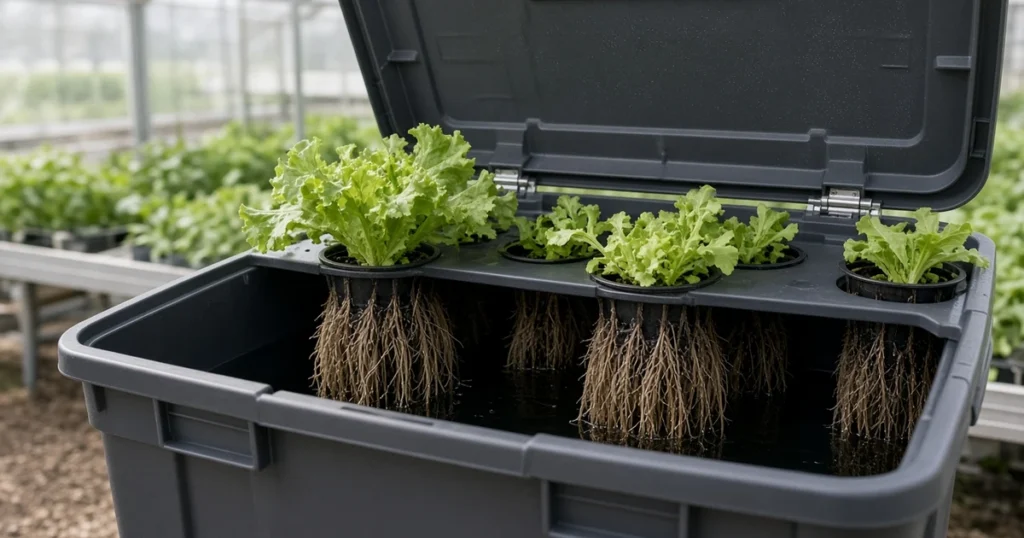
Hydroponic roots turning black or dark brown often signal root rot, which thrives in warm water low in oxygen. Salt buildup can also kill roots. Colorado State University Extension notes that diseased roots turn brown with sparse root hairs plus can be soft or stunted. Check the roots plus the plant above.
The short answer
Feel the roots plus look at the leaves. Soft, dark roots with few root hairs plus wilting leaves point to root rot. Dark green leaves with burned margins can mean salt damage. Cool the water toward 68 to 72°F, add aeration, check EC plus clean the system before replanting.
How do rotting roots look?
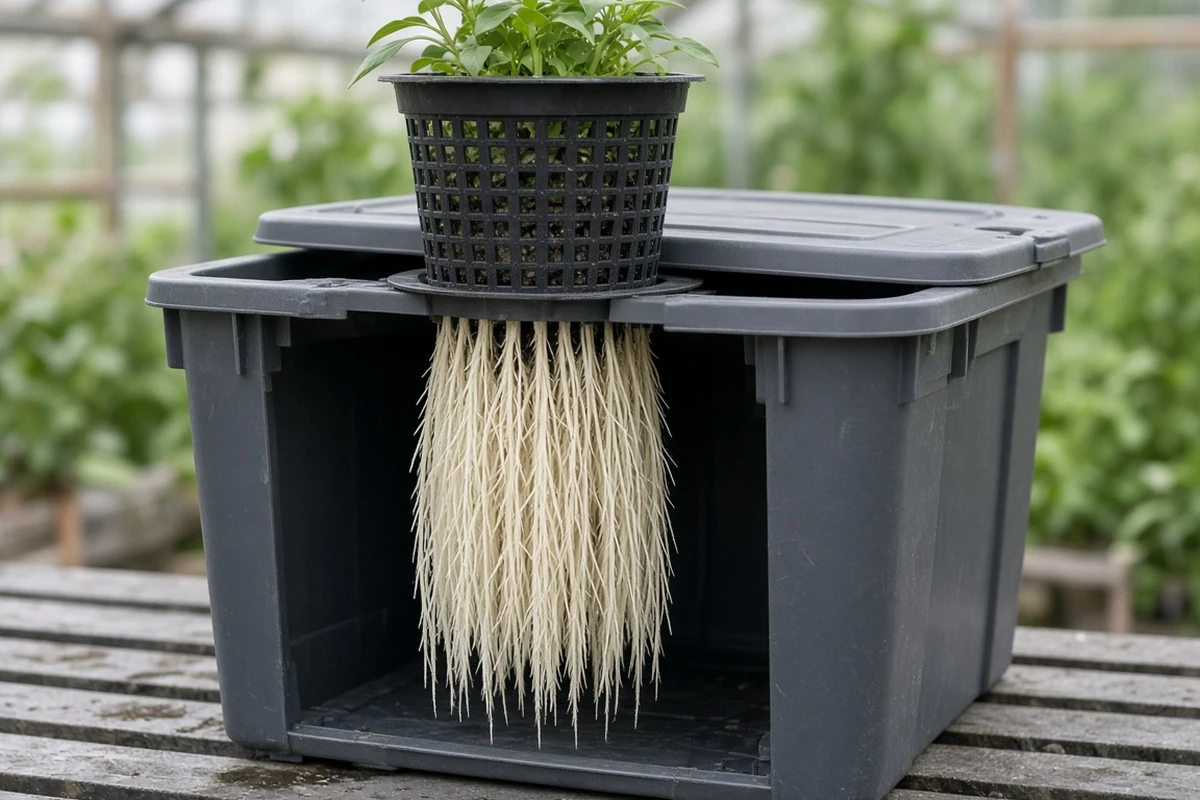
Colorado State University Extension names Pythium root rot as the most common root disease in hydroponic systems. Fusarium, Phytophthora plus Rhizoctonia cause occasional problems. Symptoms are very similar among these diseases.
Signs usually start as wilting or tip burn on leaves. The root system turns brown with sparse root hairs. Roots may also be soft or stunted. A trained diagnostician may be needed to name the exact cause.
| Sign | Likely cause | Action |
|---|---|---|
| Soft, brown roots with sparse root hairs | Root rot | Cool, aerate plus clean the system |
| Root death with burned leaf margins | Soluble salt buildup | Check EC plus flush with clear water |
| Wilting plus tip burn on leaves | Early root disease | Check roots plus water temperature |
Source: Colorado State University Extension plus Penn State Extension.
What causes roots to rot?
Low oxygen is a key driver. Colorado State University Extension notes that low oxygen levels in the nutrient solution favor disease. It advises proper aeration plus a root zone of 68 to 72°F. University of Missouri Extension explains that warmer water holds less oxygen.
Salts matter too. Penn State Extension lists root death among the signs of soluble salt damage, along with wilting plus burned leaf margins. Causes include over fertilizing, poor water quality plus salt buildup in media.
Can damaged roots recover?
Recovery depends on how far the damage has gone. Colorado State University Extension notes that root diseases cause the most damage on stressed plants. General management relies on encouraging steady plant growth.
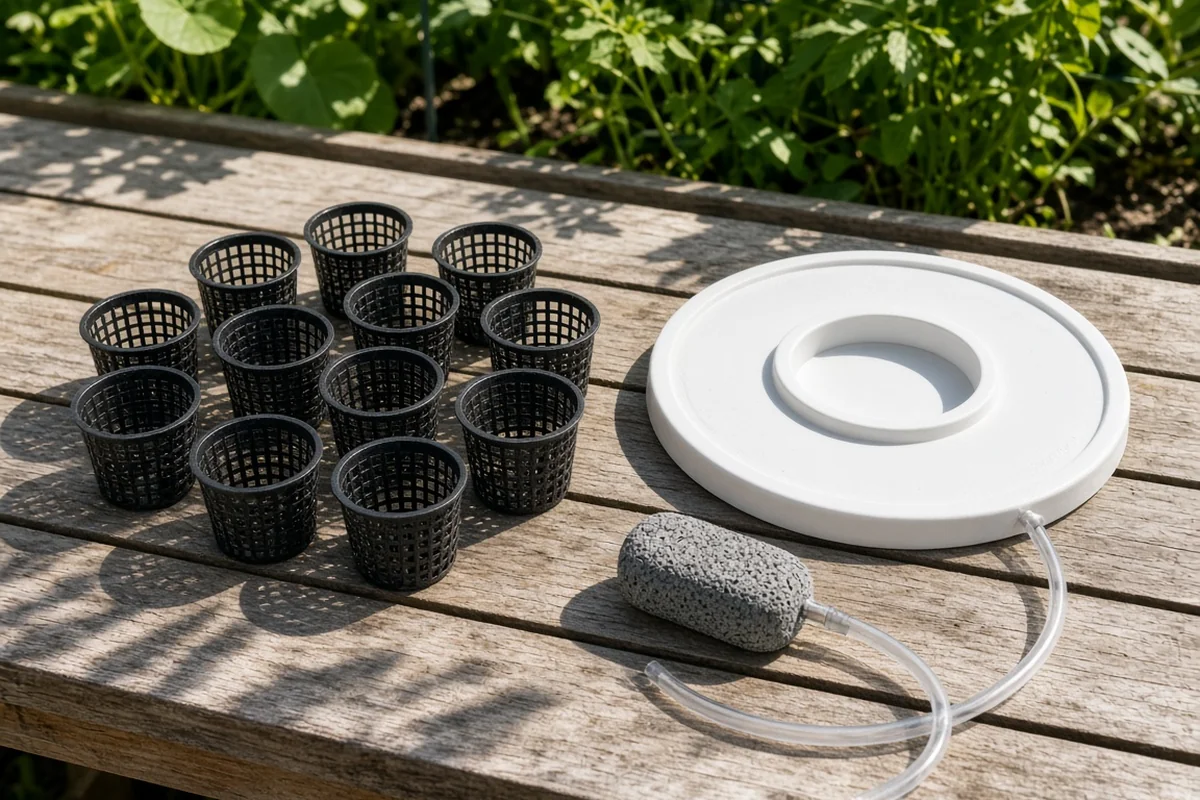
Start fresh when damage is severe. Colorado State University Extension advises beginning with a clean system by cleaning trays, rafts, beds plus troughs. University of Illinois Extension suggests an air stone in the reservoir plus covering clear containers to block algae.
How to: step by step
- Lift a plant plus handle the roots.
- Note whether leaves wilt or show tip burn.
- Read water temperature.
- Measure EC for salt buildup.
- Add aeration plus cool the water toward 68 to 72°F.
- Scrub trays plus reservoir parts before replanting.
Troubleshooting
Soft, brown roots plus wilting: root rot linked to low oxygen. Colorado State University Extension advises aeration plus a 68 to 72°F root zone.
Dark leaves with burned margins plus dead roots: soluble salt damage. Penn State Extension advises finding the source plus flushing with clear water.
Algae on roots in a clear tank: light reaching the reservoir. University of Illinois Extension advises shading clear sided containers.
For related reading see how to deal with pythium root rot in cannabis plants, hot pots root zone heat in cannabis containers plus caring for your hydroponic system. Kind Seed Co also stocks cannabis seeds.
Sources
- Root disease problems and management in hydroponic systems, Colorado State University Extension
- Hydroponics systems and principles of plant nutrition, Penn State Extension
- Hydroponics at home, University of Illinois Extension
- Hydroponic nutrient solutions (G6984), University of Missouri Extension
FAQ
What do rotting hydroponic roots look like?
Colorado State University Extension describes roots with root rot as brown with sparse root hairs. They can also be soft or stunted. Leaves often show wilting or tip burn first. Firm roots with plenty of fine root hairs are the goal, so check texture as well as color.
How warm is too warm for roots?
Colorado State University Extension gives 68 to 72°F as the optimum root zone temperature. Water above that range holds less oxygen, per University of Missouri Extension. A dissolved oxygen level over 6 ppm is optimum, and low oxygen favors root disease in hydroponic systems.
Should the solution be replaced?
If roots are rotting or salts are high, a fresh start helps. Penn State Extension notes that soluble salts can be flushed with clear water after finding the source. Colorado State University Extension advises a balanced solution plus regular checks of soluble salts plus pH.
How can root rot be prevented?
Colorado State University Extension advises starting with a clean system plus aerating the solution. It suggests a root zone of 68 to 72°F plus a balanced solution to avoid over fertilizing. Regular checks of soluble salts plus pH help catch problems early, before roots darken.
Does algae affect roots?
Algae grows where light reaches the water. University of Illinois Extension advises covering clear sided containers to prevent algae growth. It also suggests an air stone for oxygen plus pH near 5.8 to 6.2, checked weekly. A dark, aerated reservoir supports firm roots.