
Hydroponic Grow Tray Liners: Liners That Line Trays and Stop Leaks
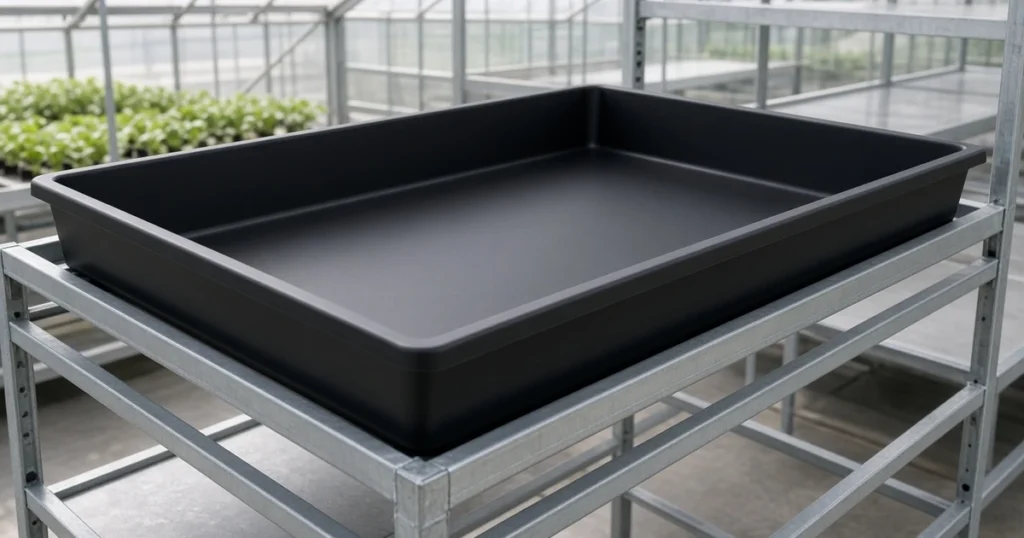
Hydroponic grow tray liners are plastic sheets that make a tray, pond or homemade bed hold water. Virginia Cooperative Extension describes polyethylene sheeting used to line deep water culture ponds as a waterproof barrier, fixed to a wood frame before the pond is filled.
The short answer
A hydroponic tray liner is a sheet of plastic, often polyethylene, that makes a tray or wood frame hold water. Virginia Extension says to place it with care so it is not punctured, then fix it with batten tape and staples. Clean and sanitize the liner and tray between each crop rotation.
What does a tray liner do?
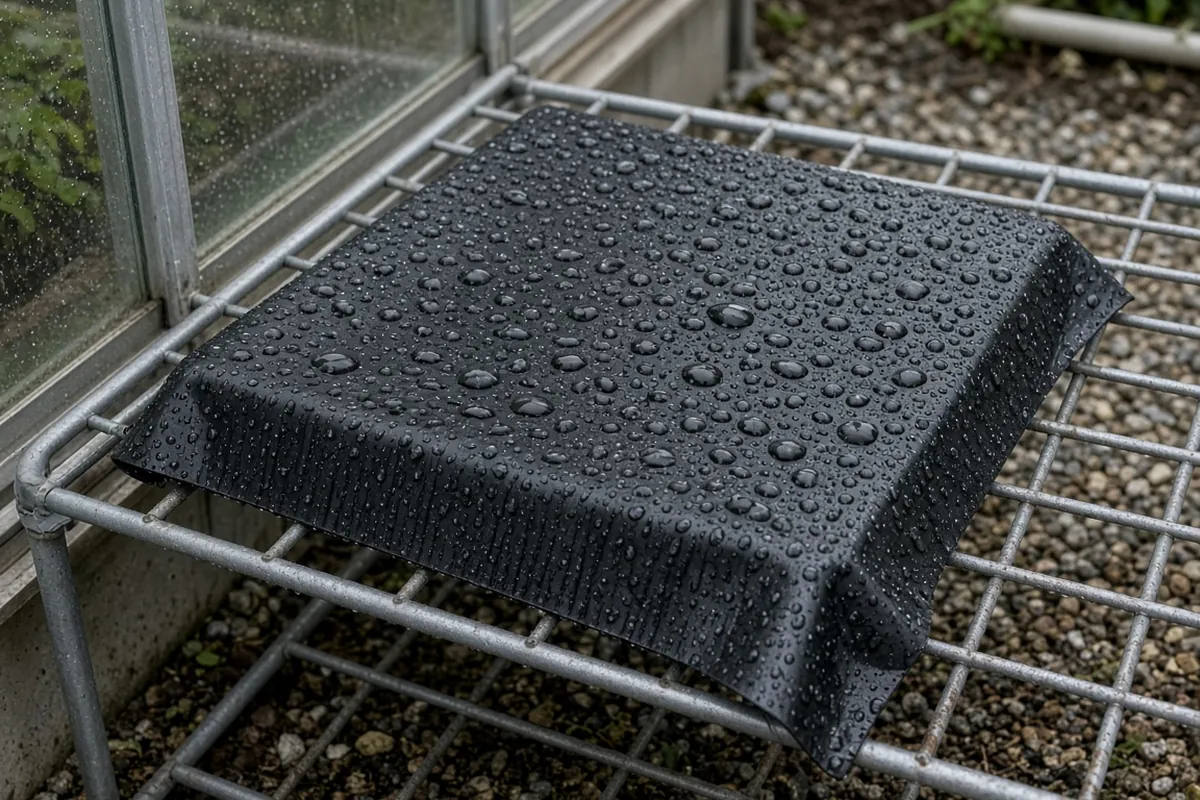
A liner turns a frame into a water tight bed, and in the Virginia deep water culture guide polyethylene sheeting lines the pond area under floating rafts. The liner holds the solution and the frame carries the weight. University of Minnesota Extension notes that small systems can also use a plastic storage bin or bucket, which needs no liner at all. For how growing media fit into these setups, see hydroponic in different mediums.
Which liner material should you use?
| Type | Use | Notes | Source |
|---|---|---|---|
| Polyethylene sheeting | Lining a wood framed pond or bed | Fix with batten tape and staples | Virginia Extension SPES 464 |
| Plastic bin or bucket | Small systems | Holds water without a liner | Minnesota Extension |
| Plastic bags | Not advised for reuse | Hard to clean and sanitize | Virginia Extension SPES 467 |
Pick a sheet that will not let light reach the water. Oregon State Extension says algae thrive in wet places with light and nutrients, so cover water with opaque materials.
How do you fit and clean a liner?
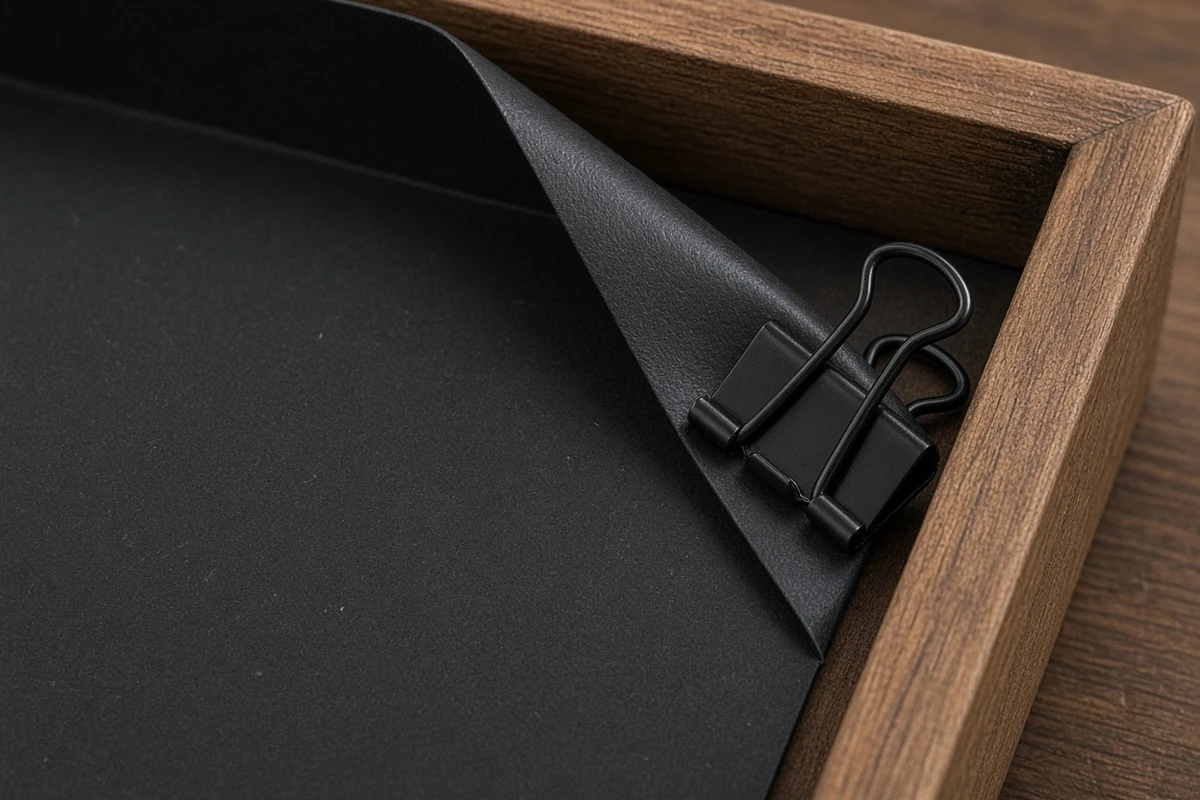
Lay the sheet into the empty frame and smooth it into the corners, taking care not to puncture it, as Virginia Extension warns. Staple it to the lumber over batten tape, then fill. Feeding plans for these systems are in hydroponic cannabis feeding schedule.
The University of Vermont guide defines cleaning as removing dirt with water and detergent, and sanitizing as reducing microorganisms on a cleaned surface. It notes a surface cannot be sanitized before it is cleaned. Virginia Extension SPES 467 says channels and containers should be cleaned and sanitized between each rotation. Regular care is outlined in caring for your hydroponic system.
How to: step by step
- Measure the inside of the tray or frame.
- Cut polyethylene sheeting with extra to run up the sides.
- Lay it in and smooth out folds.
- Fix it to the frame with batten tape and staples.
- Fill and look for leaks.
- Clean and sanitize it between crops.
Troubleshooting
Algae on the liner: light reaches the water, so cover gaps with opaque material, as Oregon State advises. Leaks: a puncture. Refit with care. Film on the liner: buildup. Clean first, then sanitize.
Oregon State also describes an algae trap, a small chamber that draws algae into an easily cleaned spot. Time liner changes to your growing schedule for your hydroponics. The Kind Seed Co blog covers more indoor hydroponic setups.
Sources
- Hydroponic production of edible crops: deep water culture (DWC) systems (SPES 464), Virginia Cooperative Extension
- Hydro hints: deep water culture (EM 9455), Oregon State University Extension
- Hydro hints: ebb and flow (EM 9458), Oregon State University Extension
- Cleaning and sanitizing in hydroponic and aquaponic operations, University of Vermont Extension (NECAFS)
- Hydroponic production of edible crops (SPES 467), Virginia Cooperative Extension
- Small scale hydroponics, University of Minnesota Extension
FAQ
What is a hydroponic tray liner?
It is a plastic sheet that lines a tray, pond or frame so it holds water. Virginia Extension describes polyethylene sheeting used this way in deep water culture ponds.
How do you attach a liner to a wood frame?
Virginia Extension says the simplest method is batten tape and staples fixed to the lumber, with care taken so the liner is not punctured.
Why does algae grow on a liner?
Oregon State Extension says algae thrive in wet places with light and nutrients. Covering the water with opaque material cuts that light.
How often should a liner be cleaned?
Virginia Extension SPES 467 says growing channels and containers should be cleaned and sanitized between each rotation.
What is the difference between cleaning and sanitizing?
The University of Vermont guide says cleaning removes dirt with water and detergent. Sanitizing reduces microorganisms and only works on a surface that is already clean.



