
Hydroponic Garden Cost: Setup Plus Running Costs
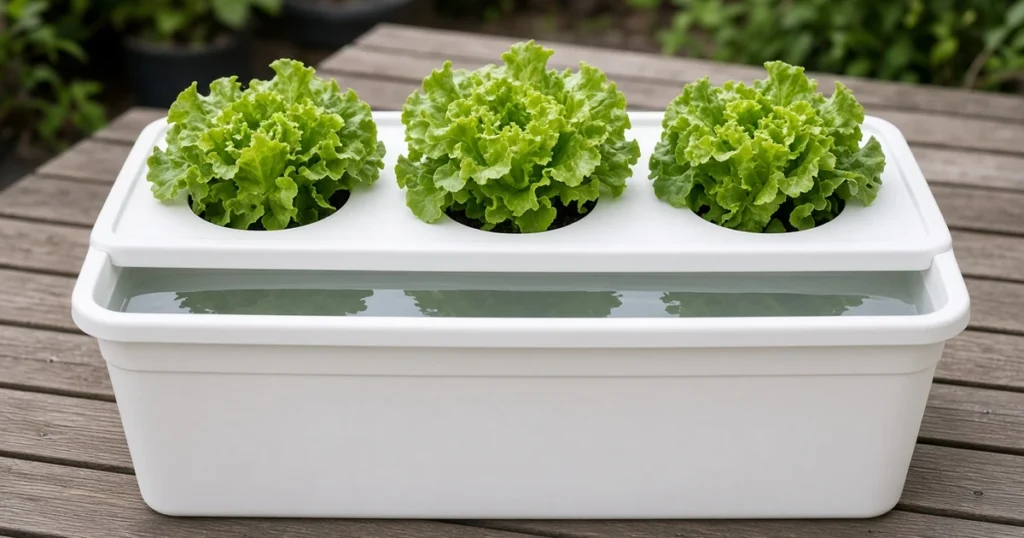
Hydroponic garden cost depends on the system type, the lights plus the pumps it needs. University of Minnesota Extension notes premade deep water culture systems are available, but building your own is more affordable plus nearly as easy. A bucket, a lid, nutrients plus a light can start a small garden.
The short answer
A simple deep water culture setup costs the least. University of Minnesota Extension notes it is the least expensive system plus the easiest to maintain. Passive Kratky systems skip the air pump, while active ones add an airstone plus pump. Lights add running cost, so outdoor summer growing is the cheapest option.
What parts drive setup cost?
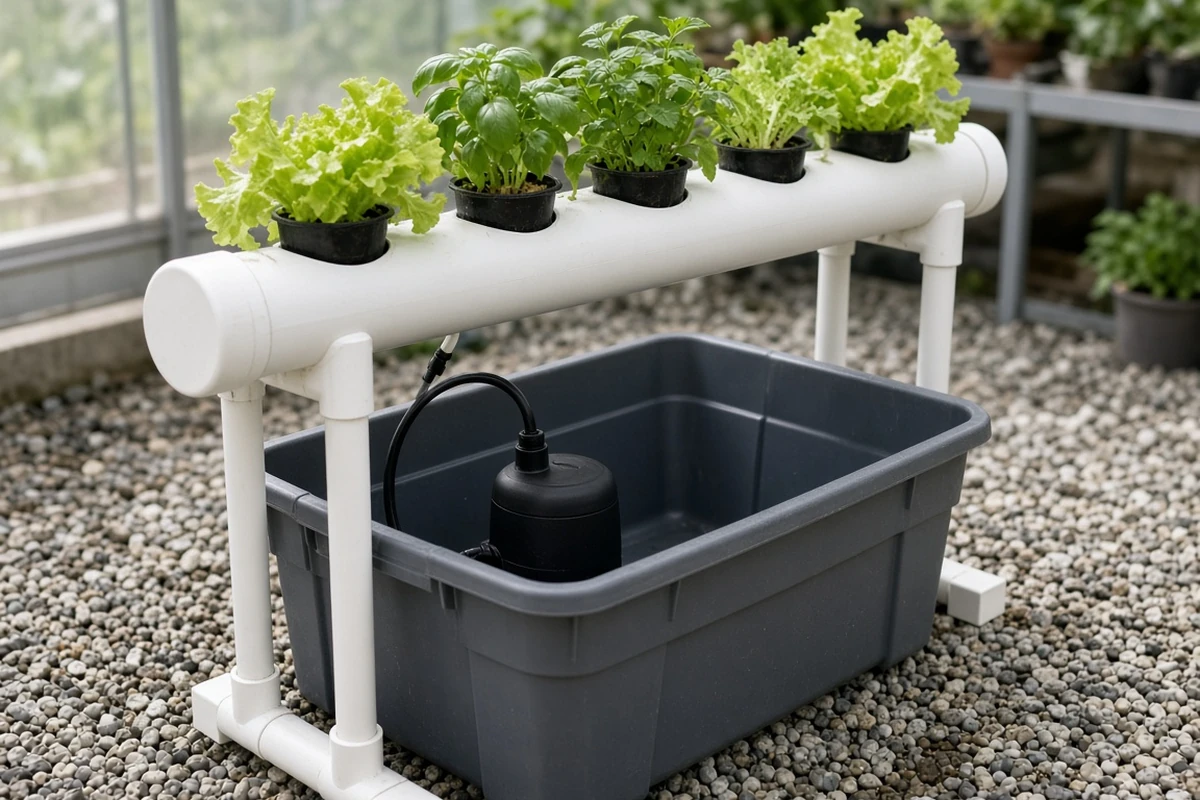
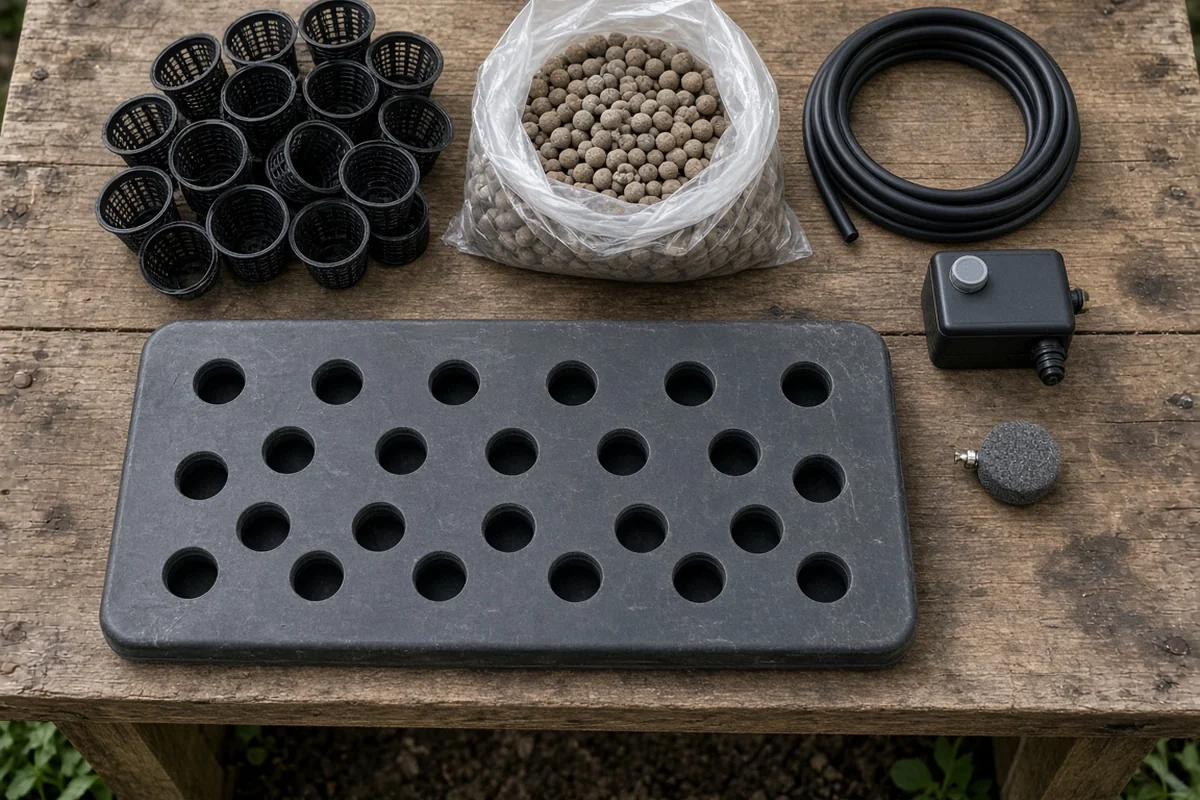
University of Illinois Extension lists a container, air stone, nutrient solution, foam board, rockwool or coir, seeds, a pH meter plus a sunny space or grow light. University of Minnesota Extension notes a container can be as simple as a bucket or storage bin.
| Part | Passive system | Active system |
|---|---|---|
| Container plus lid | Yes | Yes |
| Air pump plus airstone | No, air gap above water | Yes |
| Nutrients plus pH meter | Yes | Yes |
| Grow light | Indoors in winter | Indoors in winter |
Source: University of Minnesota Extension plus University of Illinois Extension.
What ongoing costs come with hydroponics?
Nutrients, power plus replacement parts. University of Minnesota Extension gives an example of a small LED grow light run 14 hours a day costing about 45 cents per month, plus about $15 every 5 years for a bulb. University of Tennessee Extension notes production costs more when lighting plus ventilation are needed.
How do passive and active systems compare?
University of Minnesota Extension notes that in a passive Kratky system the air gap above the water supplies oxygen. Active systems use an airstone tied to an external pump. Penn State Extension notes hydroponics also covers soilless media such as coconut coir or gravel.
How to: step by step
- Choose a bucket or storage bin plus a lid.
- Settle on passive Kratky or an airstone plus pump.
- List nutrients, a pH meter plus net pots.
- Add a grow light if growing indoors in winter.
- Estimate power cost from light hours plus your rate.
- Start small plus grow once the first crop works.
Troubleshooting
Power bill higher than planned: long light hours. Review light hours.
Roots brown in a passive system: air gap too small. Lower the level or add a pump.
Costs climb with frames plus shelves: extras. Leave them off the first build.
For related reading see caring for your hydroponic system, grow light running cost plus growing schedule for your hydroponics. Kind Seed Co also stocks cannabis seeds.
Sources
- Hydroponics at home, University of Illinois Extension
- Hydroponics systems and principles of plant nutrition, Penn State Extension
- Small scale hydroponics, University of Minnesota Extension
- Leafy crop production in small scale soilless and hydroponic systems (W 844 B), University of Tennessee Extension
FAQ
Is hydroponics cheaper than soil gardening?
Not always at the start, since containers, nutrients plus lights add cost. University of Minnesota Extension notes hydroponics takes less water than soil plus avoids weeds. University of Tennessee Extension notes indoor production costs more when lighting plus ventilation are needed, so outdoor summer growing is cheaper.
What is the cheapest hydroponic system?
University of Minnesota Extension notes deep water culture is the least expensive plus easiest to maintain. It can be as simple as a bucket or plastic storage bin with a lid. The passive Kratky method skips the air pump, using an air gap above the water instead.
Do hydroponic lights use a lot of power?
Small ones do not. University of Minnesota Extension gives the example of a small LED grow light run 14 hours a day costing about 45 cents a month, plus about $15 for a bulb every 5 years. University of Tennessee Extension notes costs rise when lighting is needed.
Can I build my own system?
Yes. University of Minnesota Extension notes building your own deep water culture system is more affordable plus nearly as easy as buying one. University of Illinois Extension notes you can build a hydroponic system from just about anything, using what you have at home plus a few parts.
Do I need an air pump?
Not for every system. University of Minnesota Extension notes the passive Kratky method relies on the air gap above the water, so only part of the net pot sits in solution. Active systems use an airstone plus pump. University of Illinois Extension includes an air stone in its basic tank build.



