
Log Edging for Beds: Using Fallen Logs as Garden Borders
The short answer
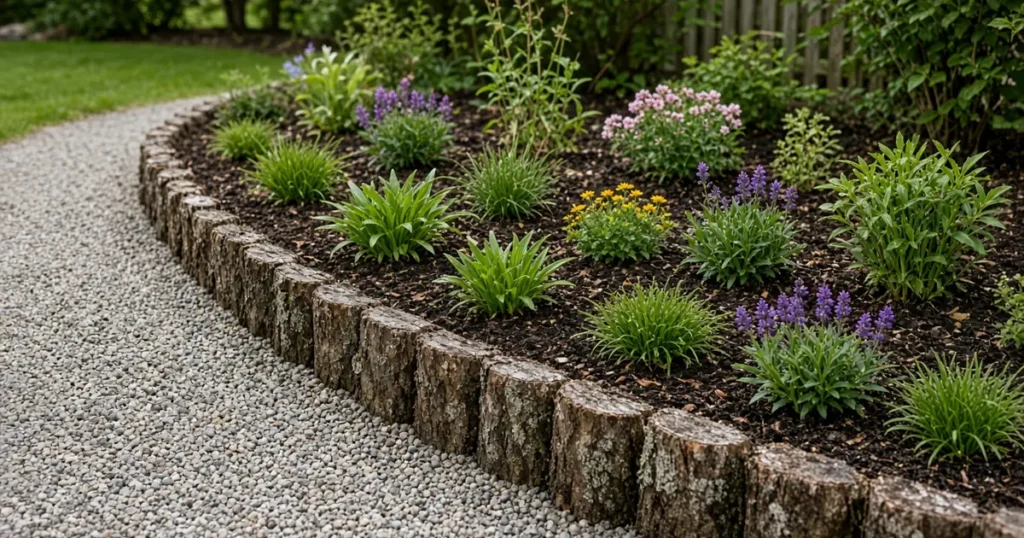
Log edging for beds uses fallen logs or short rounds as a natural border between garden and lawn. Kansas State Research and Extension says wood gives an informal, weathered look and lasts many years before it rots. Set logs in a shallow trench so they sit firm, and replace them as they break down.
How do you use logs to edge garden beds?
Start with the line. Kansas State suggests laying out a rubber hose or heavy rope to mark the edge, then adjusting curves until they are large and smooth enough to mow around. Leave room for plants to reach full size.
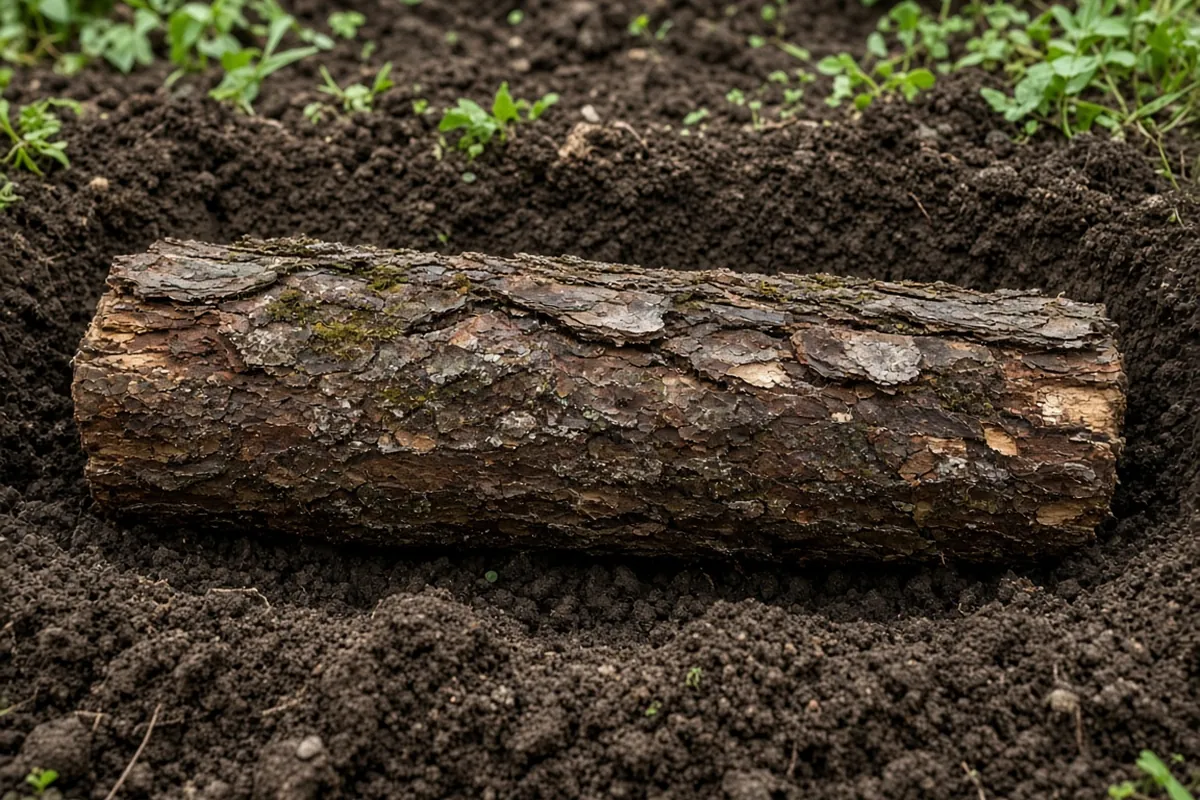
Next, cut a trench. Kansas State describes a basic cut edge, a V shaped ditch 4 to 6 inches deep and wide, angled toward the bed so grass roots cannot easily cross. University of Illinois Extension says an edge about 4 inches deep and wide can contain bluegrass. Cut with a sharp spade, lift out the soil and grass, then fill the space with something solid such as wood. Logs set into this trench sit lower and roll less.
Kansas State notes that short round logs, sawn log rolls and similar wood pieces make an attractive edge for a bed slightly raised above a lawn, and unlike timbers they can follow curves. Edging also holds soil and mulch in during heavy rain. Think about sun and shelter as you shape a bed. See garden microclimates for cannabis.
Which logs work for edging?
| Wood type | Lifespan | Notes |
|---|---|---|
| Any wood | Many years, then rots | Informal, weathered look |
| Redwood, cypress, cedar | Longer | Naturally rot resistant but costs more |
| Old railroad ties | Avoid | Coatings can harm plants |
| Short round logs | Varies | Follow curves on raised beds |
Sources: Kansas State Research and Extension, University of Illinois Extension.
Kansas State says redwood, cypress and cedar resist rot naturally. Illinois warns against old railroad ties with coatings that harm plants. Fallen logs from your yard cost nothing, but softer wood breaks down sooner. If you use wood near mulch, read termites and garden mulch.
How long does log edging last?
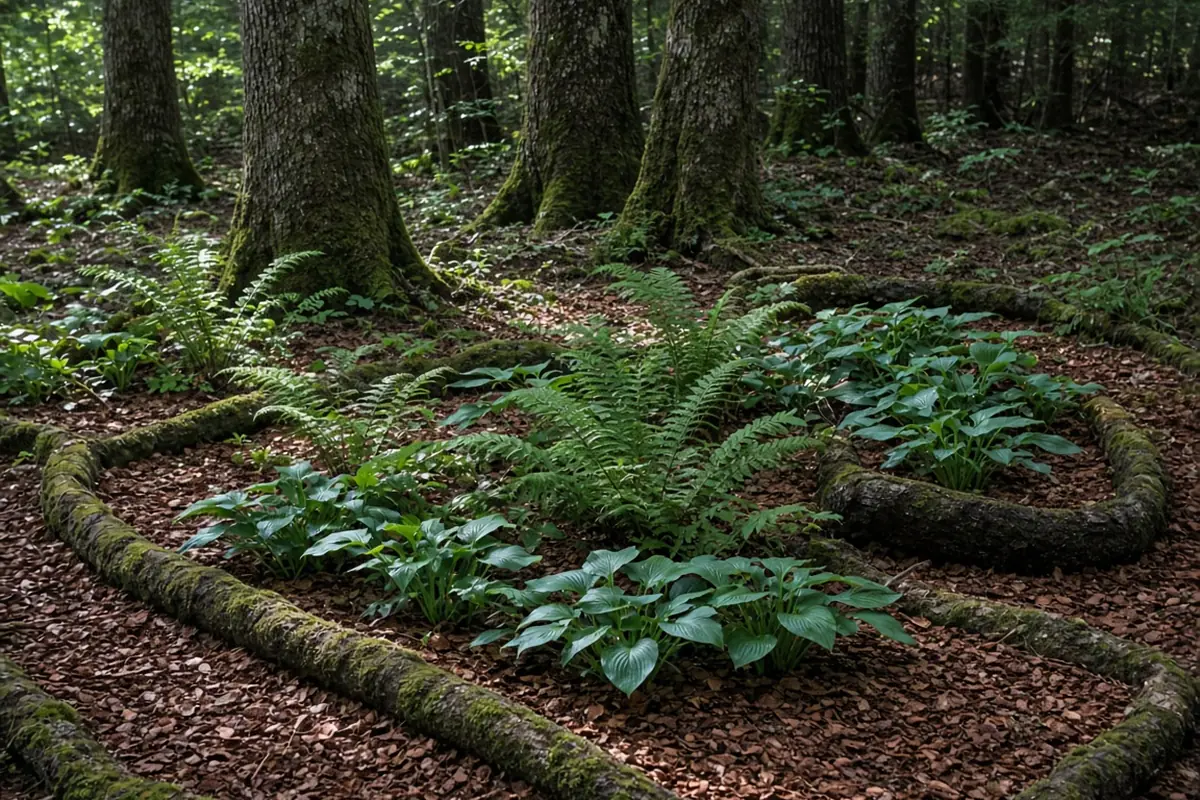
Kansas State says wood lasts many years but will eventually rot. Even as it breaks down, it’s useful. University of Illinois Extension says fallen wood offers cover for small mammals and snakes, and fungi, lichen and other decomposers colonize it. A rotting log edge becomes small habitat in the garden. Replace sections as they soften or crumble.
Upkeep counts too. Kansas State says a raised wood edge next to lawn needs more upkeep, and hand trimming is still required where beds meet grass. Illinois adds that a hand cut edge needs touching up once or twice a year.
How to: step by step
- Mark the bed line with a hose or rope.
- Smooth curves so they are easy to mow around.
- Cut a trench about 4 to 6 inches deep and wide.
- Lay logs end to end in the trench.
- Backfill and firm soil around each log.
- Fill gaps so grass cannot creep through.
- Check yearly and replace soft sections.
Troubleshooting
Logs rolling: set too high. Dig the trench deeper so the log sits partly below grade.
Logs rotting fast: soft wood. Kansas State notes redwood, cypress and cedar are naturally rot resistant.
Grass creeping under: gaps in the edge. Kansas State says angling the trench toward the bed stops grass roots from crossing easily. Recut the edge once or twice a season.
Mulch washing out: the edge is too low. Kansas State says a raised edge holds soil and mulch in place during heavy rain.
A border that gives back
Log edging for beds is cheap, natural and turns into habitat as it ages. For more bed ideas, see raised beds for cannabis from Kind Seed Co.
Sources
- All about edging, Kansas State Research and Extension, Johnson County
- Bed edges, University of Illinois Extension
- Create natural habitat, University of Illinois Extension
FAQ
Which wood lasts longest as edging?
Kansas State Research and Extension says redwood, cypress and cedar are naturally rot resistant but cost more. Any wood edge lasts many years but will eventually rot, so check logs each season and swap out sections as they soften.
Can log edging hold soil in raised beds?
Yes, for a bed slightly raised above a lawn. Kansas State Research and Extension says short round logs and sawn log rolls make an attractive edge for such beds. It adds that raised edging stops soil and mulch from washing out during heavy rain.
Do logs provide wildlife habitat?
Yes. University of Illinois Extension says small mammals and snakes use the spaces in and under fallen wood. Fungi, lichen and other decomposers also colonize dead wood, so an aging log edge supports small life in the garden.
How deep should an edging trench be?
Kansas State Research and Extension describes a trench 4 to 6 inches deep and wide, angled toward the bed so grass roots cannot easily cross. University of Illinois Extension says an edge 4 inches deep and wide can contain bluegrass.
Should you use old railroad ties for edging?
No. University of Illinois Extension advises against old railroad ties coated with materials that harm plants. Untreated fallen logs or naturally rot resistant woods such as cedar are simpler choices for a garden bed.



