Hydroponic Rockwool Mold: Causes plus Prevention
Hydroponic rockwool mold or green growth usually starts when cube tops stay wet plus light reaches the surface. University of Minnesota IPM notes shore fly larvae live in wet areas with algae, including hydroponic operations. Water from below, let tops dry slightly plus block light from the cubes.
The short answer
Green film on rockwool is usually algae, which grows where cube tops stay wet under light. University of Minnesota IPM advises cleaning algae from surfaces plus avoiding permanently wet areas. UC Statewide IPM notes fungus gnats thrive in moist conditions plus advises letting the surface dry between waterings.
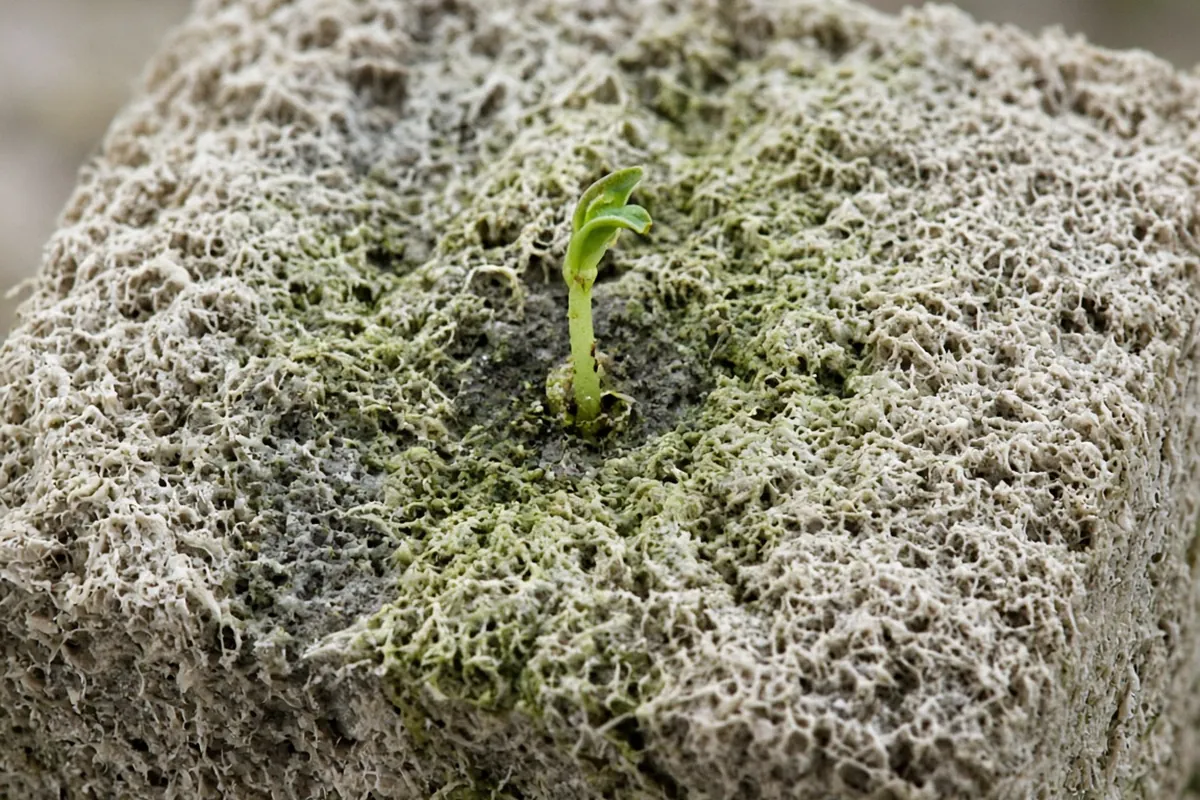
What is the green or white growth on rockwool?
Green film is usually algae. White fuzz may be fungal growth in soggy cubes. University of Minnesota IPM notes algae on wet surfaces feed shore flies, while UC Statewide IPM notes fungus gnat larvae feed on fungi plus organic matter.
| Growth | Cause | Fix |
|---|---|---|
| Green film | Algae from light plus wet | Cover the cube tops |
| White fuzz | Fungal growth in soggy cubes | Water less plus add air flow |
| Tiny flies | Shore flies or fungus gnats | Dry tops plus clean algae |
Source: University of Minnesota IPM plus UC Statewide IPM Program.
Why do wet cube tops grow algae?
Algae require water plus light. University of Minnesota IPM advises cleaning algae from surfaces plus avoiding areas that stay permanently wet. Watering from below lets the top dry slightly while the root zone remains moist.
How do you stop growth on cube tops?
Water at the base of the cube, cover tops from light plus add gentle air flow. UC Statewide IPM advises letting the surface dry between waterings plus fixing leaks. Discard cubes with heavy growth.
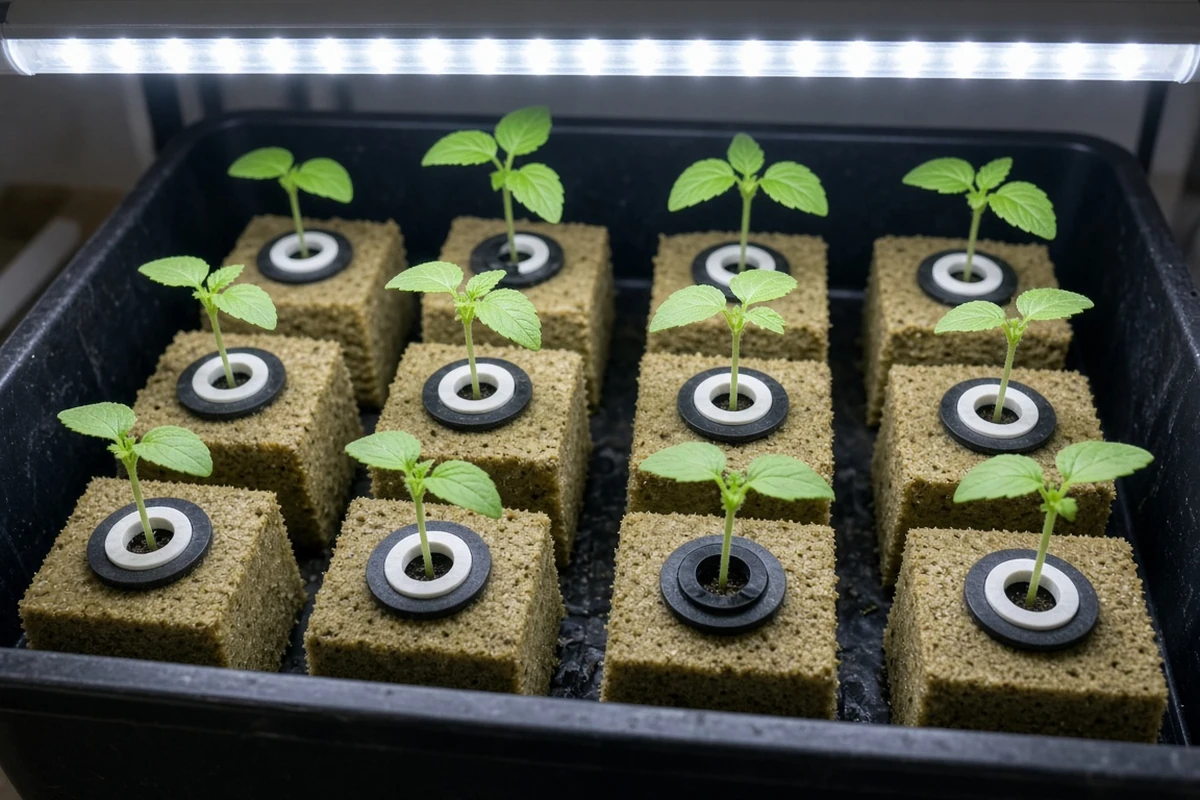
How to: step by step
- Check if growth is green film or white fuzz.
- Water from below or at the cube base.
- Let the cube top dry slightly between waterings.
- Cover cube tops from light.
- Run gentle air flow over the tray.
- Replace badly affected cubes.
Troubleshooting
Green film on top: algae from light plus wet. Shade the cube.
White fuzz with sour smell: fungal growth in soggy cubes. Water less plus add air.
Small flies on cubes: shore flies or gnats. Dry tops plus clean algae.
For more on media plus pests see algae on cannabis soil, hydroponic in different mediums plus fungus gnats in cannabis pots. Kind Seed Co also stocks cannabis seeds.
Sources
- Introduction and key to common flies (greenhouse), University of Minnesota IPM
- Fungus gnats (Pest Notes), UC Statewide IPM Program
- Hydroponic production of edible crops: deep water culture (DWC) systems, Virginia Cooperative Extension
FAQ
Is green growth on rockwool harmful?
Algae on its own feeds pests more than plants. University of Minnesota IPM notes shore fly adults plus larvae feed on algae rather than crops. Their numbers build where algae grows, so clearing the film plus drying cube tops cuts the food supply for the flies.
Do cube covers help?
Covers block light from the wet surface, which algae need to grow. University of Minnesota IPM advises cleaning algae plus avoiding permanently wet areas. A cover or cap on the cube plus watering from below lets the top stay drier while the root zone below remains moist.
Can fungus gnats harm seedlings?
Yes. UC Statewide IPM notes fungus gnat larvae feed on fungi plus organic matter but can also chew root hairs plus damage roots of seedlings. Letting the cube surface dry between waterings plus fixing leaks reduces the moist conditions where gnats lay eggs plus thrive.
Do sticky traps help?
University of Minnesota IPM notes yellow sticky traps catch both shore flies plus fungus gnats. UC Statewide IPM also lists yellow sticky traps for monitoring adults. Traps show whether flies are present plus how many, so you can judge whether drying the cubes is working.
How do I tell shore flies from fungus gnats?
University of Minnesota IPM notes fungus gnats have long antennae plus delicate wings. Shore flies are stouter with short antennae plus red eyes. Shore flies feed on algae, while fungus gnat larvae feed on fungi, organic matter plus sometimes roots, so the fix differs slightly.