Hydroponic White Fuzz on Roots: Root Hairs or Mold?
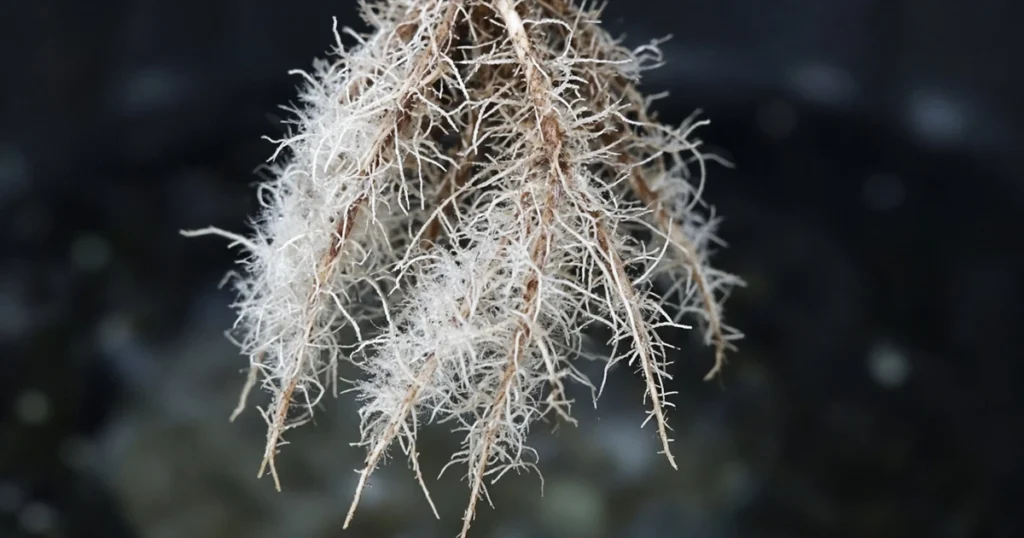
Hydroponic white fuzz on roots is usually root hairs, fine outgrowths that take up water plus nutrients. University of Tennessee Master Gardener training notes root hairs develop in the zone of maturation behind the root tip. Clean fuzz is white, while brown slimy roots point to rot.
The short answer
White fuzz on hydroponic roots is usually root hairs. University of Tennessee Master Gardener training describes them as tubular extensions of the root surface that increase the area for taking up water plus nutrients. Colorado State University Extension notes diseased roots turn brown with sparse root hairs, sometimes soft or stunted.
What are root hairs?
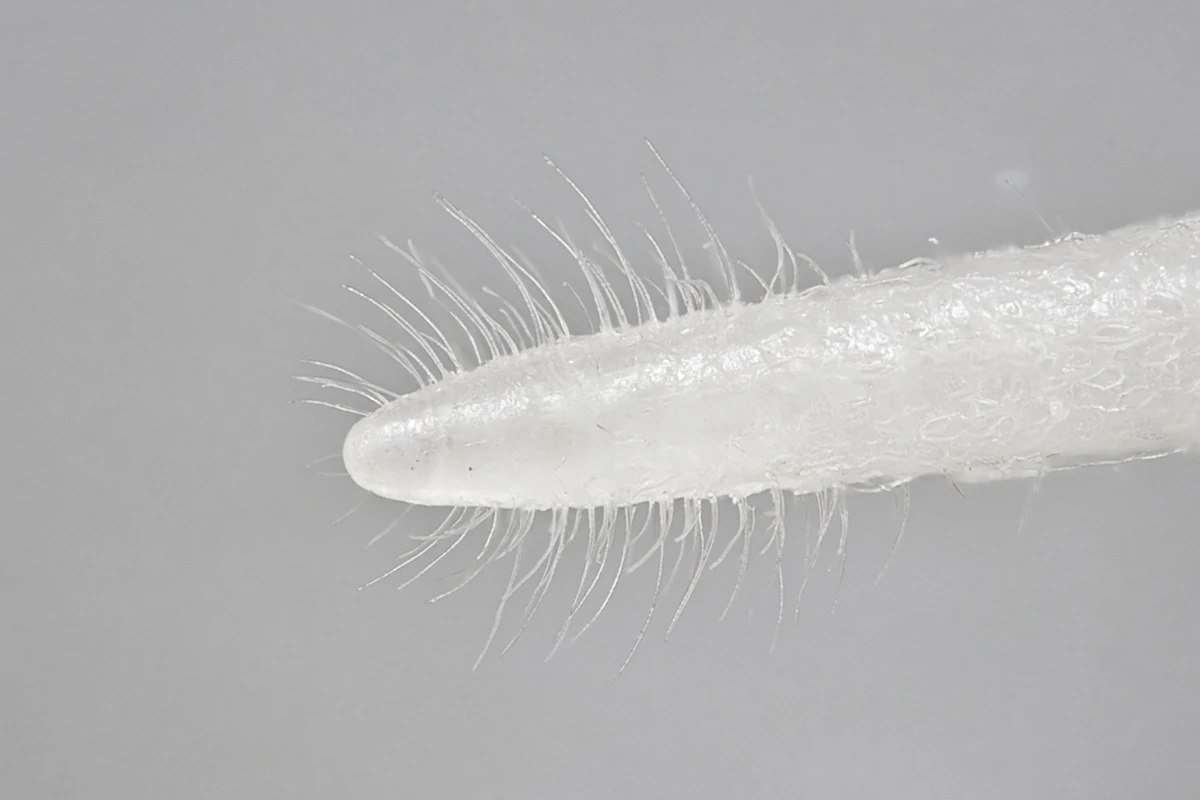
University of Tennessee Master Gardener training describes root hairs as tiny tubular extensions of the root epidermis. They greatly expand the surface area for water plus nutrient uptake. They form in the zone of maturation, right behind the growing tip.
| Sign | Normal or not | Action |
|---|---|---|
| White fuzz on firm roots | Normal root hairs | No action |
| Brown soft roots | Likely root rot | Trim plus change the solution |
| Sparse hairs on brown roots | Diseased roots | Cool, aerate plus clean |
Source: University of Tennessee Master Gardener Program plus Colorado State University Extension.
How do you tell root hairs from mold?
Root hairs grow from firm white or cream roots plus have no bad smell. Colorado State University Extension notes diseased roots turn brown with sparse root hairs plus may be soft. Rot appears as brown slime rather than clean white fuzz.
What should you do about slimy roots?
Colorado State University Extension notes low oxygen favors root disease plus lists a root zone of 68 to 72°F as optimum. Trim brown slimy roots, aerate plus cool the water, then change the solution. Scrub the system before refilling.
How to: step by step
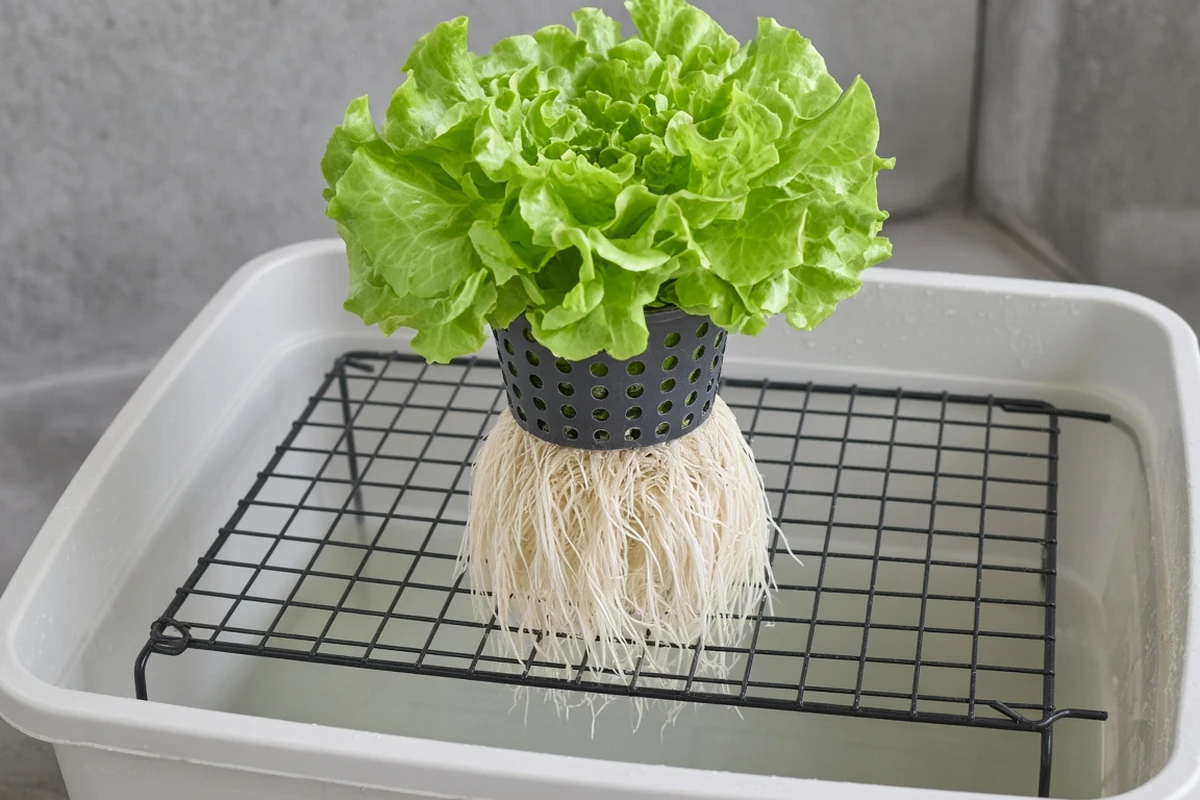
- Lift a plant plus look at roots in good light.
- Look for white or cream color.
- Feel for slime plus note any smell.
- Leave clean fuzzy roots alone.
- Trim brown slimy roots if present.
- Cool, aerate plus change the solution after trimming.
Troubleshooting
White fuzz, firm roots, no smell: root hairs. No action.
Brown slime plus sour smell: root rot. Trim plus change the solution.
Fuzz on stems above water: growth from humid air. Improve air flow.
For more on hydroponics see cannabis root hairs, how to deal with pythium root rot in cannabis plants plus caring for your hydroponic system. Kind Seed Co also stocks cannabis seeds.
Sources
- Chapter 3: basic botany plus plant physiology, University of Tennessee Master Gardener Program
- Root disease problems plus management in hydroponic systems (PlantTalk 2043), Colorado State University Extension
- Hydroponic production of edible crops: deep water culture (DWC) systems, Virginia Cooperative Extension
- Hydro hints: deep water culture (EM 9455), Oregon State University Extension
FAQ
Do root hairs die back?
Yes. University of Tennessee Master Gardener training notes root hairs are constantly dying off plus being replaced as the root extends. Some loss is normal. Roots that turn brown plus soft across large sections point to disease rather than routine turnover, so check the whole root mass.
Why are root hairs so fragile?
University of Tennessee Master Gardener training notes root hairs consist only of epidermis cells, so they are extremely fragile plus likely to die if they dry out. Lift plants briefly when you check roots plus return them to the water quickly so the fine hairs stay moist.
Can root hairs grow on roots in water?
Yes. Fuzzy white growth on hydroponic roots is often root hairs. University of Tennessee Master Gardener training notes root hairs greatly increase the surface area for absorbing water plus nutrients. Clean roots with plenty of fine hairs look white or cream plus smell fresh.
What does Pythium root rot look like?
Colorado State University Extension notes Pythium is the most common root rot in hydroponics. Symptoms often start as wilting or tip burn. Roots turn brown with sparse root hairs plus may become soft or stunted. Pathogens act as opportunists on plants already stressed by low oxygen or warm water.
Does aeration help roots stay white?
Air helps roots get the oxygen they need. Oregon State University Extension notes air pumps plus air stones add oxygen to deep water culture. Colorado State University Extension notes low oxygen favors root disease. Run the air stone around the clock plus check bubbles whenever you inspect the roots.