Orchid Leaves Wrinkled? Check the Roots First
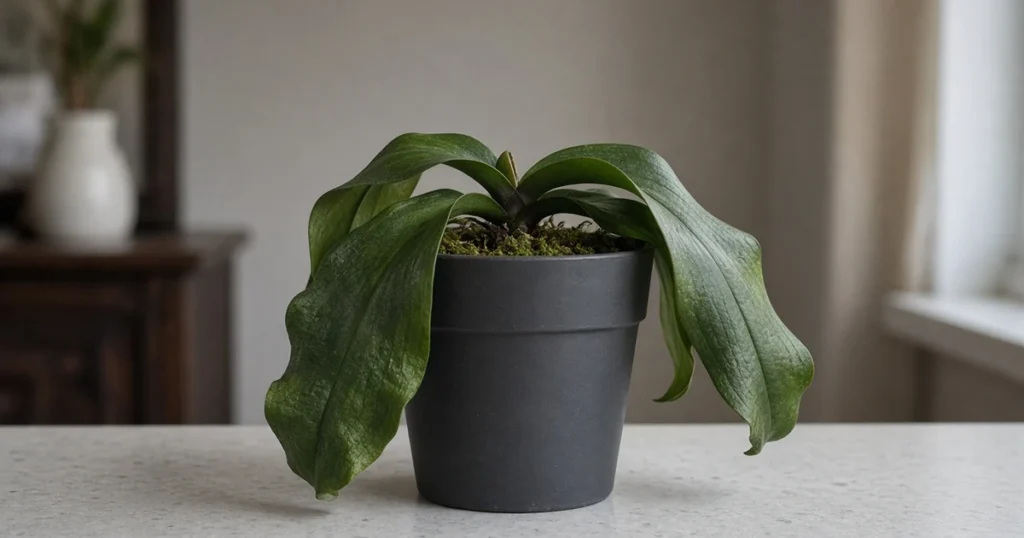
Orchid leaves wrinkled plus limp usually mean the plant cannot take up enough water. NC State Extension notes shriveled or wrinkled leaves show the potting medium is too dry or the roots are damaged, often rotted by soggy medium. Check the roots first, then fix the mix plus the watering.
The short answer
Wrinkled orchid leaves mean the leaves are short on water. NC State Extension links this to medium left too dry or to roots rotted by soggy medium. UF/IFAS Gardening Solutions advises removing dead roots plus old media when repotting. Clemson Extension advises watering about once a week, then letting the mix dry slightly.
Why do orchid leaves wrinkle?
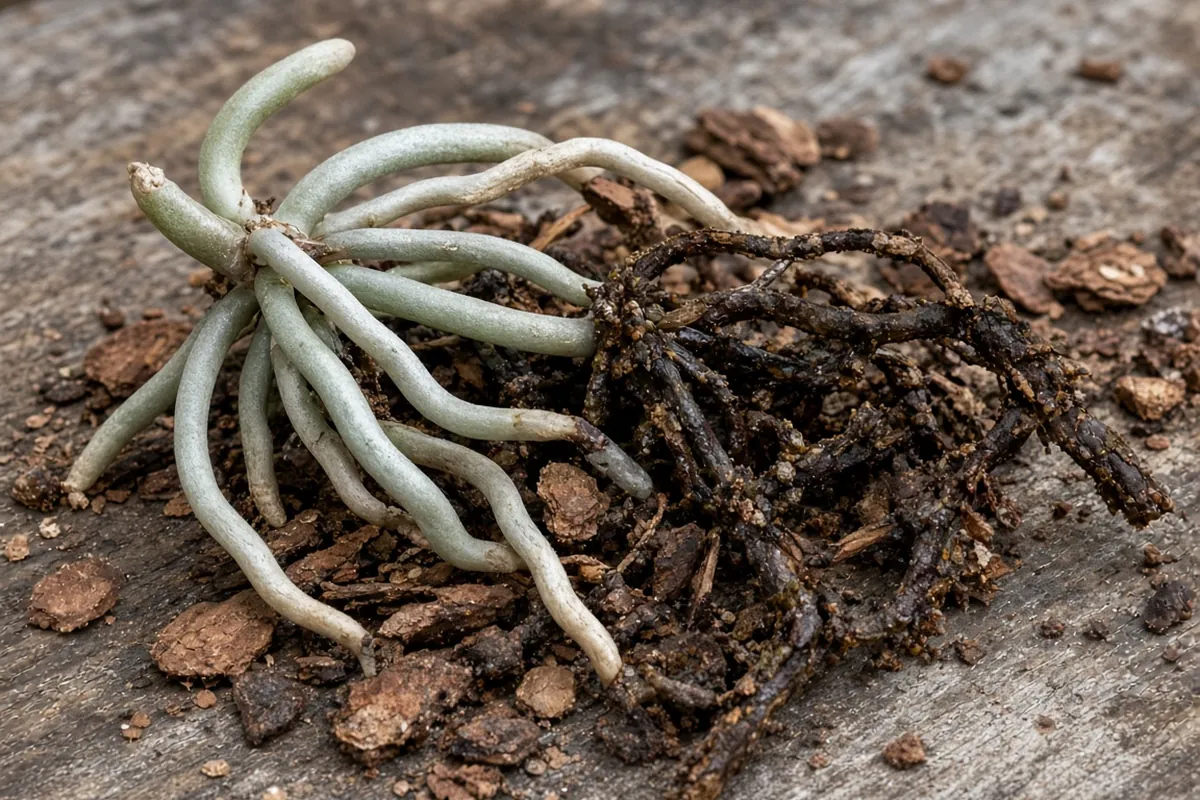
NC State Extension notes wrinkled leaves are a sign that the leaves are not getting enough water. Either the medium remains too dry or the roots are damaged. Clemson Extension notes moth orchids have no pseudobulbs for water storage, so water matters even more.
| Root sign | Cause | Fix |
|---|---|---|
| Soft rotted roots in soggy mix | Overwatering or old media | Trim roots plus repot |
| Dry mix that pulls away | Too little water | Water more regularly |
| Medium broken down | Old mix | Replace about every two years |
| Roots look fine | Dry air | Raise humidity |
Source: NC State Extension plus UF/IFAS Gardening Solutions.
How do you check orchid roots?
Slide the plant from its pot plus examine each root. UF/IFAS Gardening Solutions advises removing the old media plus any dead or diseased roots before repotting. NC State Extension notes moth orchid roots can photosynthesize, which is why clear pots are often used.
How often should orchids be watered?
Clemson Extension advises watering actively growing orchids once a week plus letting them dry slightly between waterings. It notes plants in clay or small pots or open bark may need water twice a week. NC State Extension advises letting the pot drain fully so roots never stand in water.
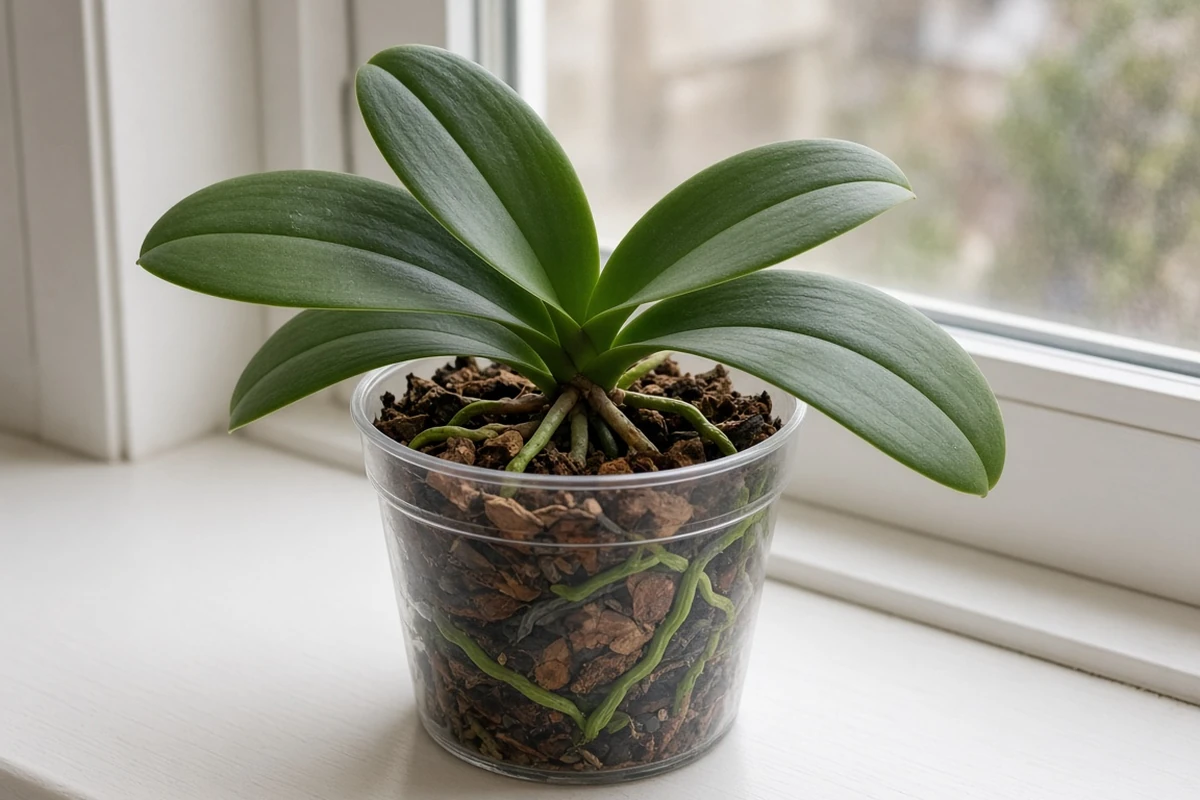
How to: step by step
- Slide the orchid out of its pot.
- Inspect each root for firm or soft tissue.
- Snip dead or mushy roots.
- Repot in fresh bark based orchid mix.
- Water thoroughly, then let the mix nearly dry.
- Offer the plant bright indirect light.
Troubleshooting
Mushy roots: rot from overwatering or old mix. Trim plus repot.
Dry mix plus limp leaves: too little water. Water more often.
Firm roots but wrinkled leaves: low humidity. Boost the humidity.
For more on roots plus water see overwatering cannabis prevention plus diagnosis, underwatering cannabis plus root bound cannabis. Kind Seed Co also stocks cannabis seeds.
Sources
- Orchids, UF IFAS Gardening Solutions
- Phalaenopsis (moth orchid), NC State Extension Gardener Plant Toolbox
- Orchids as houseplants, Penn State Extension
- Orchids, Clemson Cooperative Extension HGIC
FAQ
Can wrinkled orchid leaves smooth out?
Sources listed here do not say how far a wrinkled leaf recovers, so focus on the cause. NC State Extension ties wrinkling to dry medium or damaged roots. Trim dead roots, repot plus water on a steady schedule, then watch new leaves for firm smooth growth.
How often should orchid mix be replaced?
UF/IFAS Gardening Solutions advises replacing orchid media about every two years plus repotting when it breaks down or the plant outgrows the pot. NC State Extension advises repotting about every two years after blooms fade or as new leaves appear. Water right after repotting.
Should aerial roots be cut?
Sources listed here do not advise cutting aerial roots. Penn State Extension notes moth orchid roots sometimes seem to prefer growing in the air plus that misting them each morning is optional. Leave firm aerial roots in place plus focus on the roots in the pot.
How much humidity do orchids need?
Clemson Extension notes most orchids need 40 to 60 percent humidity year round plus that most homes run lower. Penn State Extension notes moth orchids prefer high humidity but usually tolerate home levels. Clemson advises good air movement, since humid still air favors fungi plus bacteria.
Should I feed an orchid with wrinkled leaves?
Fix the roots first. UF/IFAS Gardening Solutions advises waiting at least several weeks after repotting before you fertilize. Penn State Extension advises a houseplant fertilizer at half strength once or twice a month. Clemson Extension advises rinsing the pot with plain water monthly.