Aloe Vera Turning Brown? Sun Stress plus Wet Roots
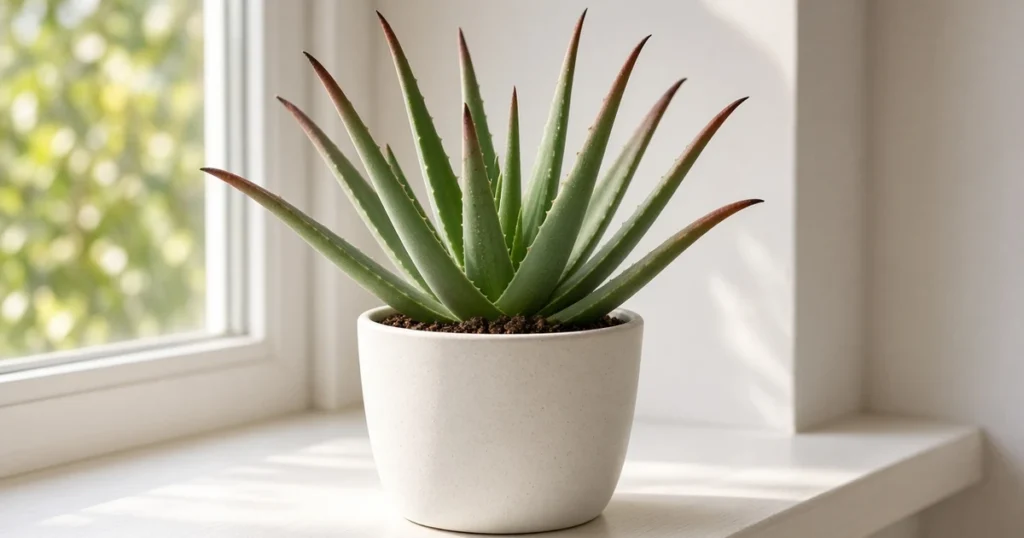
Aloe vera turning brown is usually a sign of stress from sudden sun, cold or wet roots. UF/IFAS Gardening Solutions notes aloe can sunburn when moved from low to bright light too quickly. Look at whether the brown areas are dry or soft, then adjust light plus watering.
The short answer
Dry brown patches usually mean sun scald, while soft brown leaves point to wet roots. Iowa State University Extension notes sun scald follows a sudden move from low light to bright sun. UF/IFAS Gardening Solutions advises watering only when the top inch of soil is dry. Move plants gradually plus let soil dry.
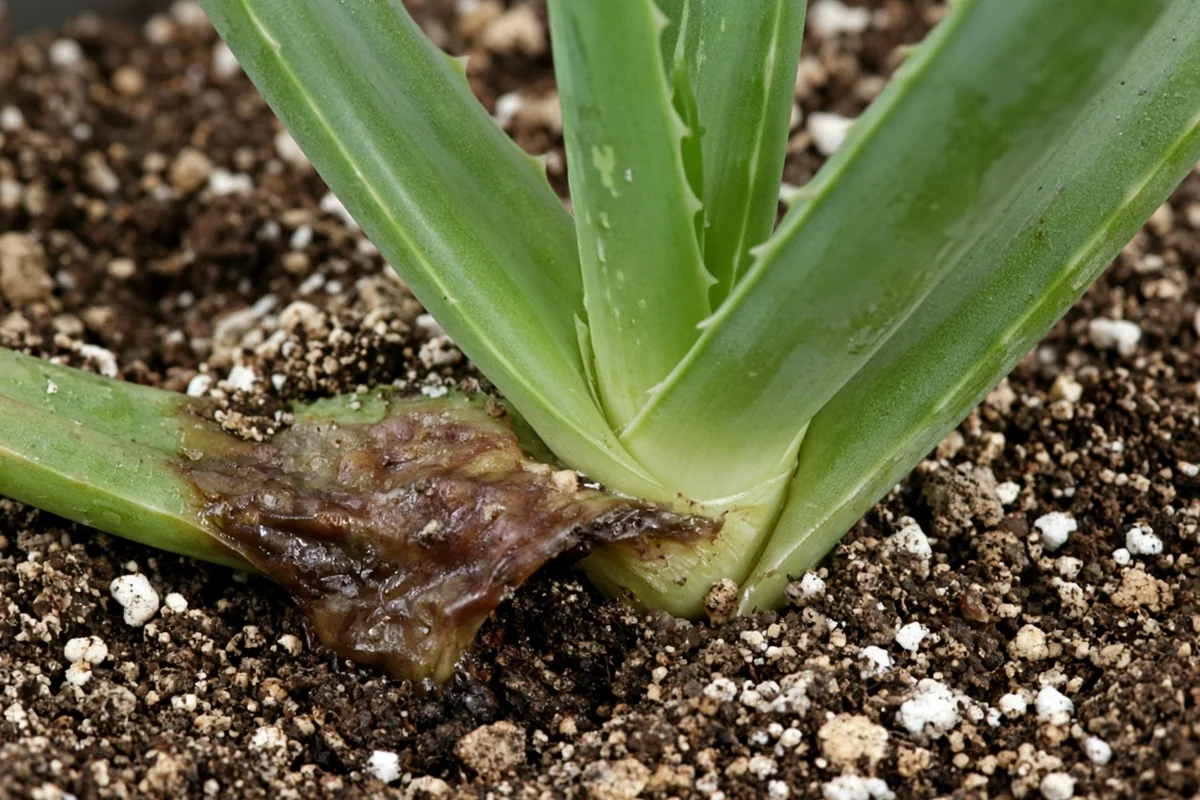
Why does aloe turn brown?
Iowa State University Extension notes brown or tan patches on leaves are common signs of sun scald. It notes overwatered succulents show soft mushy leaves plus stems. NC State Extension lists USDA zones 10a to 12b for aloe, so cold spells outdoors also stress it.
| Sign | Likely cause | Fix |
|---|---|---|
| Dry brown or tan patches | Sun scald | Move it to bright indirect light |
| Soft mushy leaves at the base | Overwatering plus rot | Let soil dry plus repot |
| Shriveled brown lower leaves | Underwatering or age | Water when the soil is dry |
| Damage after a cold spell | Cold outside its zones | Bring it indoors |
Source: Iowa State University Extension plus NC State Extension.
How do you tell sunburn from rot?
Sunburn feels dry while rot feels soft. Iowa State University Extension notes sun scald areas will not recover plus those leaves often drop later. It notes root rot comes from too much water in the soil, so roots die plus the plant shows water stress.
How often should aloe be watered?
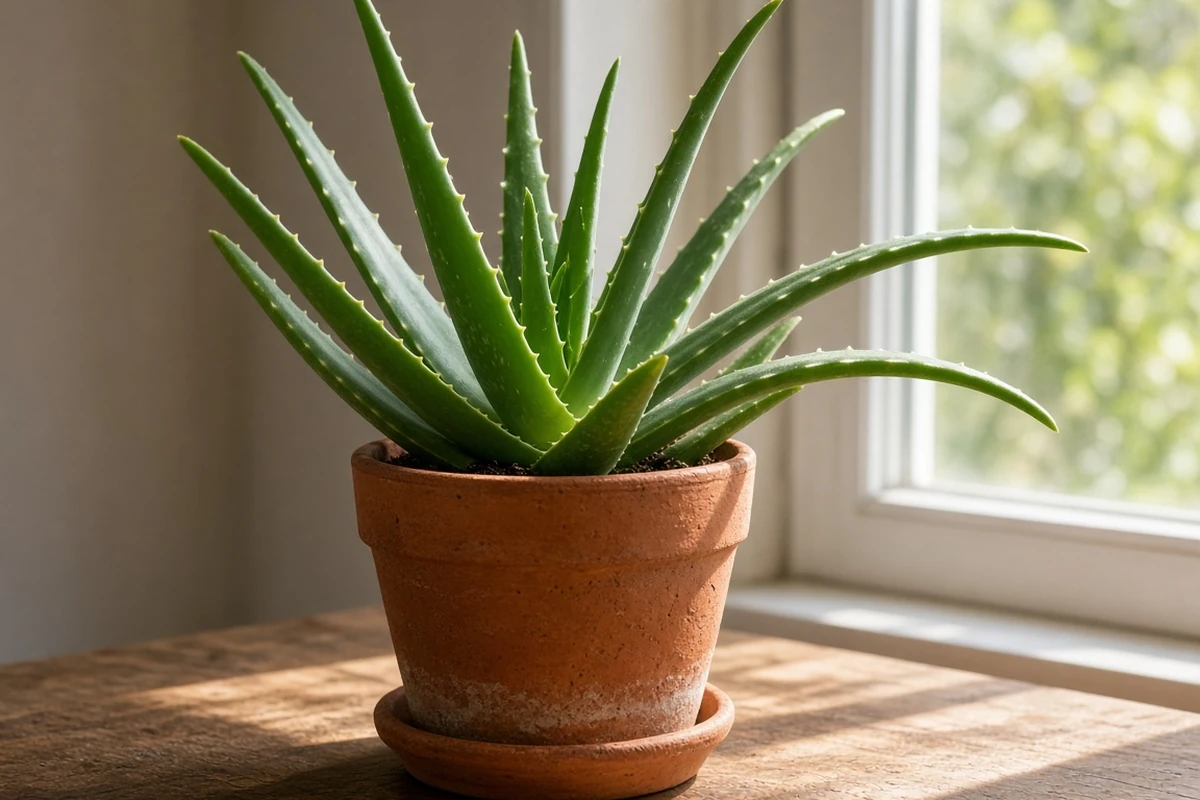
UF/IFAS Gardening Solutions advises watering only when the top inch of soil is dry, then watering well without letting the plant sit in water. NC State Extension advises letting the soil dry completely between waterings plus watering less in winter. A clay pot with several drainage holes assists.
How to: step by step
- Notice whether brown areas are dry or soft.
- Check where the plant sits plus how much sun it gets.
- Check the soil plus roots for wetness or rot.
- Move sunburned plants to bright filtered light.
- Bring the plant indoors before cold weather.
- Water only once the soil dries fully.
Troubleshooting
Dry brown patches after moving outside: sun stress. Shade it plus acclimate slowly.
Soft brown leaves at the base: rot. Trim plus repot in dry mix.
Brown lower leaves only: normal aging. Pull dried leaves.
For more on plant stress see overwatering cannabis prevention plus diagnosis, cannabis heat stress plus terracotta vs plastic pots for cannabis. Kind Seed Co also stocks cannabis seeds.
Sources
- Aloe vera, UF/IFAS Gardening Solutions
- Aloe vera, NC State Extension Gardener Plant Toolbox
- Common problems and issues of succulents, Iowa State University Extension
- Cacti and succulents (houseplants), University of Minnesota Extension
FAQ
Can brown aloe leaves turn green again?
No. Iowa State University Extension notes the dead areas burned by bright light will not recover plus those leaves often drop. Remove leaves that are fully dried or mushy. Then fix the light or watering so new leaves from the center grow in green.
Does aloe need direct sun?
NC State Extension advises full sun to partial shade. Iowa State University Extension notes most succulents do well in bright indirect light plus appreciate a break from hot afternoon sun. UF/IFAS Gardening Solutions advises moving aloe outside gradually, since a quick change can sunburn it.
What soil suits aloe?
UF/IFAS Gardening Solutions advises any well drained quality potting mix. University of Minnesota Extension advises a mix of one part potting soil plus one part coarse sand for succulents. NC State Extension advises a pot with several drainage holes plus notes clay pots suit aloe well.
How cold can aloe handle?
NC State Extension lists aloe for USDA hardiness zones 10a to 12b, so it lives outdoors year round only in warm areas. Elsewhere grow it as a houseplant plus bring outdoor pots in before cold weather. University of Minnesota Extension advises watering succulents less in low light winter months.
Are dry brown lower leaves a problem?
Usually not. Iowa State University Extension notes lower leaves on many succulents will occasionally dry completely plus fall off. If the plant is otherwise growing well, a dried lower leaf or two is no cause for concern. Simply remove the leaf at the base.