
Parsnip Roots Forked: Stony Soil plus Uneven Water
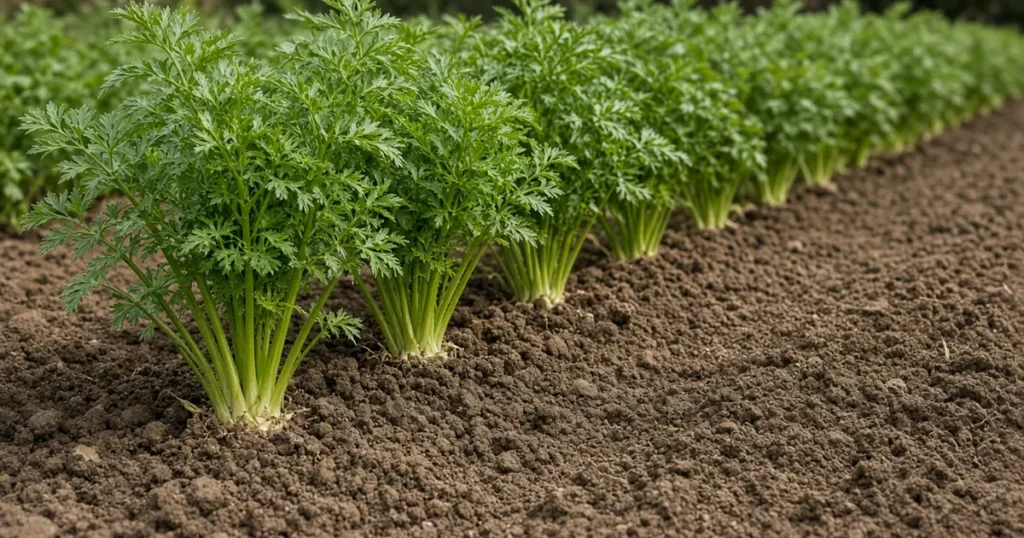
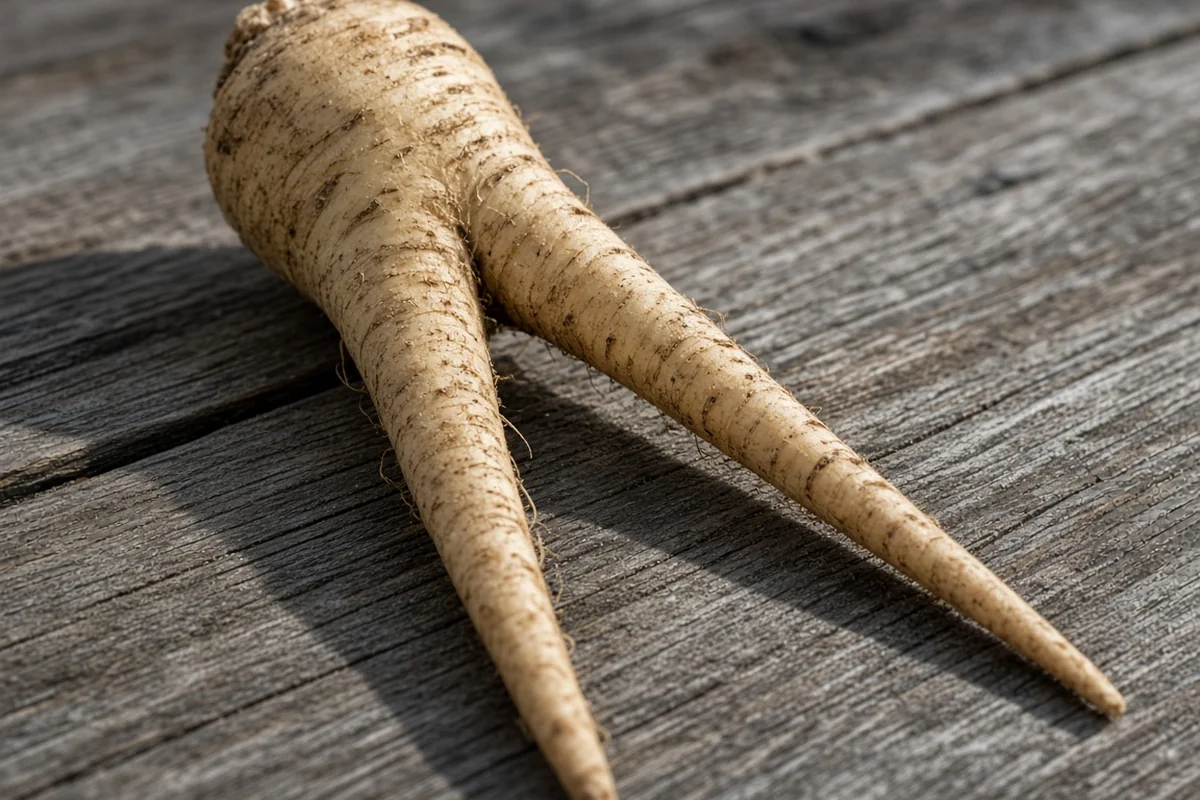
Parsnip roots forked into two or more legs usually met stones, clods or soggy soil as they grew. Utah State University Extension notes overwatering can cause hairy roots plus forking, while Clemson Cooperative Extension notes root crops need loose, friable soil.
The short answer
Forking starts when the root tip meets an obstacle or poor soil. Clemson notes root crops need loose, friable soil plus advises stone free ground for carrots. Utah State notes overwatering can cause hairy roots plus forking, plus root rot diseases lead to forked roots. Loosen the bed plus water evenly.
What makes parsnips fork?
Clemson notes carrots grown in heavy clay may be forked or misshapen, plus soil should be free of stones plus clods. Utah State ties forking to overwatering plus root rot.
| Cause | Sign | Fix | Source |
|---|---|---|---|
| Stones plus clods | Forked roots | Clear stones plus break clods | Clemson |
| Heavy clay | Misshapen roots | Loosen soil plus add compost | Clemson plus Oregon State |
| Overwatering | Hairy, forked roots | Water 1 to 2 inches a week | Utah State |
| Root rot | Forked, rotting roots | Rotate crops | Utah State |
How deep should soil be loosened?
The sources give no set depth for parsnips. Utah State notes parsnips do well in deep, loose, well drained soil. Oregon State notes deep digging loosens soil so roots grow deeper plus raised beds drain better.
Does water cause forked roots?
Utah State notes overwatering can cause hairy roots plus forking. It advises about 1 to 2 inches of water weekly, plus even moisture while seeds sprout.
How to: step by step
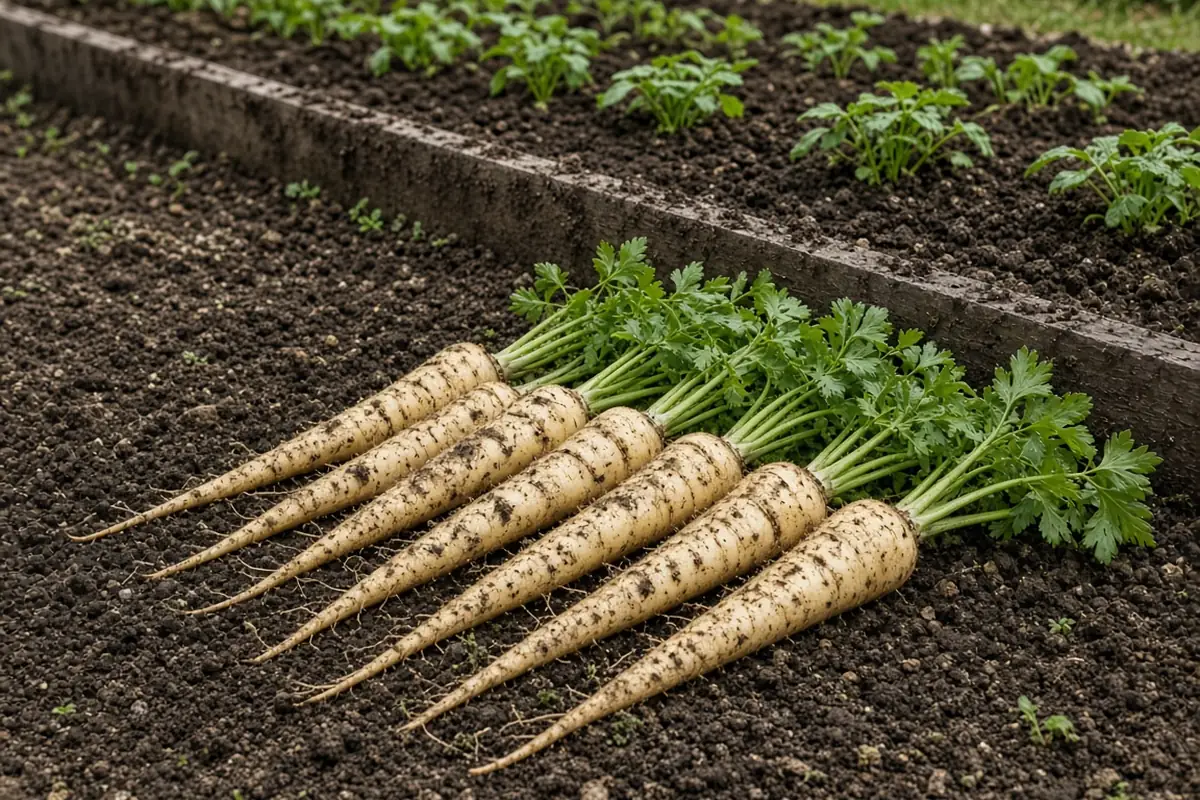
- Loosen the bed deeply before sowing.
- Clear stones plus break up clods.
- Work in aged compost.
- Sow seed directly, since Utah State notes parsnips are always grown from seed.
- Thin seedlings to 3 to 6 inches apart.
- Water evenly at 1 to 2 inches a week.
Troubleshooting
Forked roots: stones or clods. Clean out the bed first.
Hairy, branched roots: overwatering, per Utah State. Water less.
Forked roots that rot: Utah State links root rots to forking. Rotate crops.
Poor stand: Clemson notes parsnips take 18 to 60 days to sprout. Hold the soil moist.
For soil prep see the effects of environmental stresses on weed plants, raised beds for cannabis plus fertilizer and compost for growing outdoors. Kind Seed Co also stocks cannabis seeds.
Sources
- How to grow parsnips in your garden, Utah State University Extension
- Carrot, beet, radish and parsnip, Clemson Cooperative Extension HGIC
- Pastinaca sativa (parsnip), NC State Extension Gardener Plant Toolbox
- Raised bed gardening (FS 270), Oregon State University Extension Service
FAQ
How long do parsnips take to mature?
Utah State notes parsnips take about 100 to 120 days from seed to harvest. Clemson notes seeds are slow to sprout, taking 18 to 60 days. Sow early in spring so roots have the full season to grow plus reach size before cold weather sets in.
Should parsnips be transplanted?
No. Utah State notes parsnips are always grown from seed, plus it advises fresh seed since it loses viability quickly. Sowing directly lets the root grow straight down without disturbance. Clemson advises holding the seedbed moist during the long germination period of 18 to 60 days.
Do raised beds help parsnips?
Oregon State notes raised beds drain better plus warm faster in spring, though loose soil also dries faster. The sources do not tie raised beds to parsnips directly. A deep, loose bed does suit root crops that need friable soil, per Clemson Cooperative Extension.
When are parsnips harvested?
Utah State notes flavor improves after several weeks of cool, frosty weather, so it advises waiting until fall to dig. Roots can also stay in the ground over winter under heavy mulch plus be dug in spring before new growth starts. Dig carefully to avoid breaking roots.
How far apart should parsnips grow?
Utah State advises thinning seedlings to 3 to 6 inches apart in rows 12 to 18 inches apart. Clemson advises thinning to about 3 inches in rows 18 to 24 inches apart. Crowded roots compete for space plus water, so thin early while seedlings are small.



