
Perennial vs Annual: Returning Plants plus One Season Plants
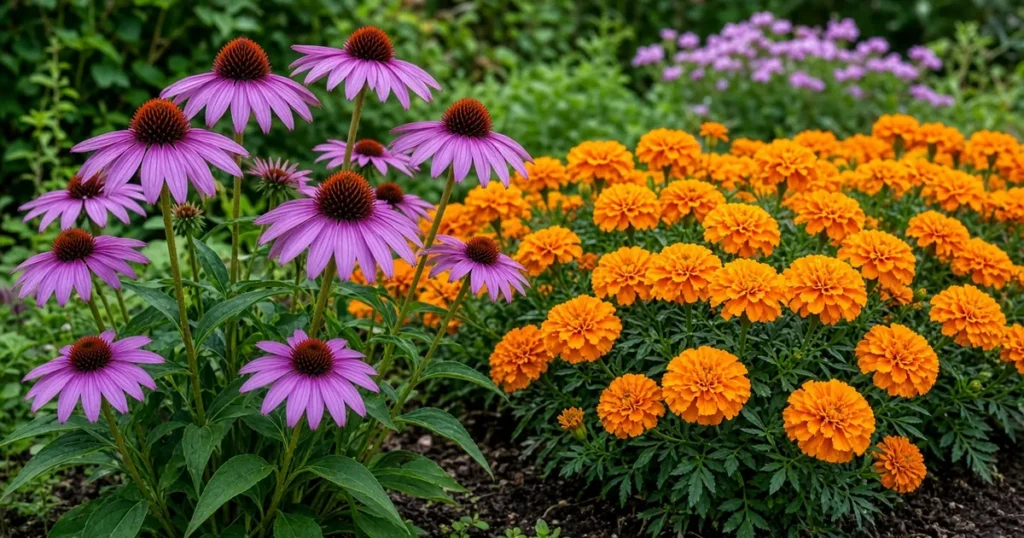
Perennial vs annual describes how long a plant lives. Illinois Extension notes an annual completes its life cycle from seed to flower to seed in one growing season. A perennial lives more than two years, plus herbaceous perennials die back each winter while their roots survive to grow again.
The short answer
An annual germinates, flowers, sets seed plus dies in one season, so you replant it each year. A perennial lives more than two years. Illinois Extension notes herbaceous perennials die back to the ground in winter while the roots live on. Biennials fall in between, flowering plus dying in their second year.
How do the life cycles compare?
Illinois Extension defines the three main life cycle groups, while MU Extension notes how perennials survive winter.
| Group | Lifespan | What happens |
|---|---|---|
| Annual | One season (Illinois Extension) | Seed to flower to seed, then dies |
| Biennial | Two years (Illinois Extension) | Leaves in year one, flowers plus seed in year two |
| Perennial | More than two years (Illinois Extension) | Returns from roots, bulbs or rhizomes (MU Extension) |
Sources: Illinois Extension plus MU Extension.
How do perennials survive winter?
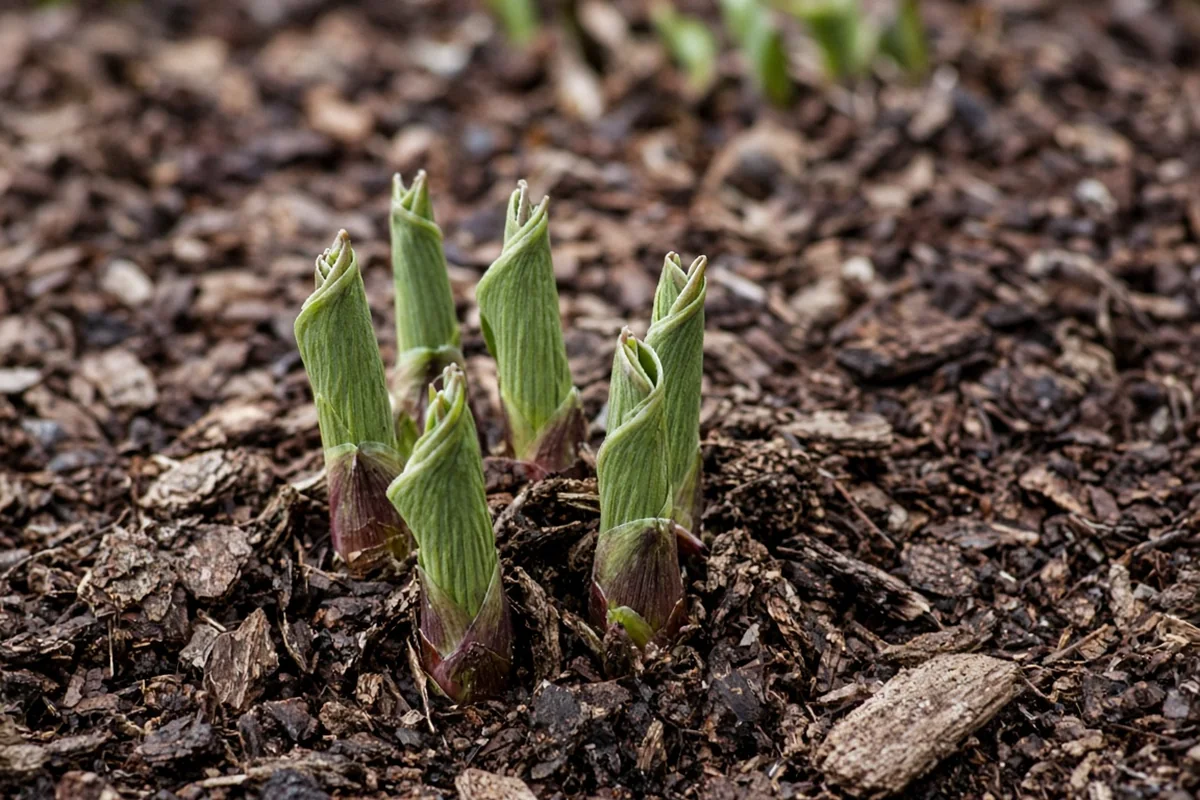
MU Extension notes herbaceous perennials survive by roots, bulbs, corms, tubers or rhizomes while the tops die back. Some woody plants such as roses plus tree peonies are often grouped with them in flower gardens. Plan for the gap in spring when perennials have not yet regrown.
Why do some annuals come back?
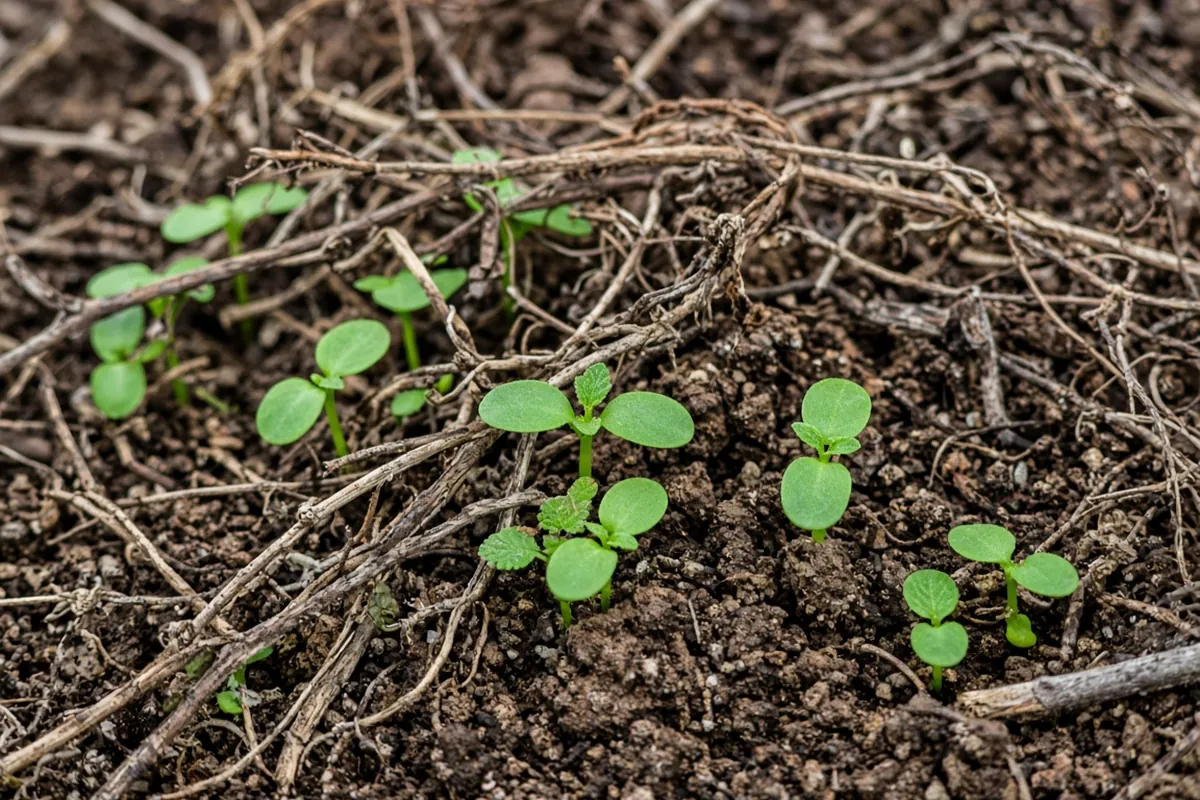
Many annuals reseed. Illinois Extension lists cleome, snapdragon, cosmos plus amaranth as annuals that drop seed that sprouts the next year. MU Extension also notes some annuals reseed. The parent plant still dies in one season, but new seedlings appear in the same bed.
How to: step by step
- Read the plant tag for its life cycle.
- Learn your winter cold zone.
- Put perennials where they can stay.
- Plug gaps with annuals.
- Cut perennials back after frost.
- Replant or let annuals reseed.
Troubleshooting
Perennial fails to return: plant was tender in your area. Raise it as an annual.
Annual returns the next year: dropped seed. Thin those seedlings or let them grow.
Biennial makes only leaves: first year growth. Flowers come in the second year.
For related reading see life cycle of a cannabis plant, autoflowering plants vs photoperiod plants plus photosynthesis the process that makes cannabis grow. Kind Seed Co also stocks cannabis seeds.
Sources
- Annuals, University of Illinois Extension
- Flowering perennials: characteristics and culture (G6650), University of Missouri Extension
- Gardening terms defined, University of Illinois Extension
- Flowering annuals: characteristics and culture (G6629), University of Missouri Extension
FAQ
What is a biennial?
Illinois Extension defines a biennial as a plant that needs two years to complete its life cycle. In the first year it grows only leaves. In the second year it flowers, sets seed plus dies. Gardeners who expect flowers in the first season sometimes mistake a biennial for a plant that failed.
Do perennials bloom all summer?
Most do not. Annuals flower for much of the season because they have one year to set seed. MU Extension notes herbaceous perennials survive by roots, bulbs, corms, tubers or rhizomes, so each year they split energy between flowers plus storage. Plan a mix of perennials for bloom across the season.
Can annuals come back on their own?
Some can by reseeding. Illinois Extension lists cleome, snapdragon, cosmos plus amaranth as annuals that often reseed in the garden. MU Extension also notes some annuals reseed. The original plant does not survive, but its seed sprouts the next spring, so the planting looks like it returned.
Are annuals hardy or tender?
Both. Illinois Extension sorts annuals into hardy, half hardy plus tender groups based on how much cold they take. Hardy annuals tolerate light frost plus can go out early. Tender annuals need warm soil plus air, so plant them after the last frost date in your area.
What is a tender perennial?
Illinois Extension notes some plants sold as annuals, such as geranium, lantana plus coleus, are tender perennials that live for years in warm climates. In cold areas they die in winter, so gardeners grow them as annuals. You can dig the plants or take cuttings to bring indoors before frost.



