
Herb vs Spice: Leaves vs Seeds Bark plus Roots
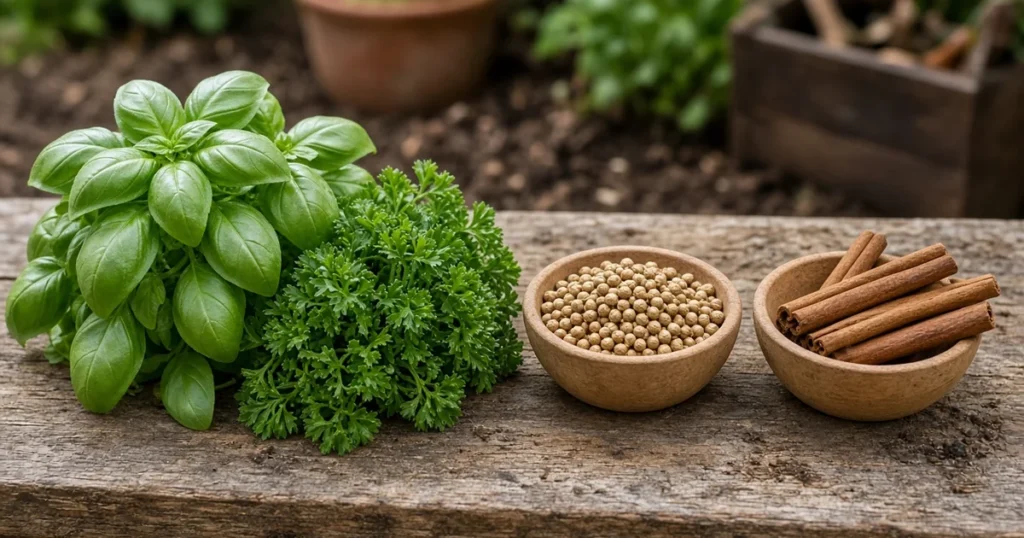
Herb vs spice is mostly a question of which plant part you use. Iowa State University Extension notes herbs are the leaves of herbaceous plants from temperate areas, while spices come from roots, flowers, fruits, seeds or bark, often of tropical plants. Some plants give you both.
The short answer
Herbs are leaves, usually from non woody plants that grow in temperate climates, plus they are used in larger amounts. Spices come from roots, bark, flowers, fruits or seeds, mostly of tropical plants, plus they are more potent. Iowa State University Extension notes one plant can give both, such as cilantro leaves plus coriander seed.
Which plant parts give herbs or spices?
Iowa State University Extension lists the plant parts behind common spices. The USDA Forest Service notes spices can come from roots, rhizomes, stems, leaves, bark, flowers, fruits plus seeds.
| Plant part | Example | Group |
|---|---|---|
| Leaf | Basil, thyme plus sage (Iowa State University Extension) | Herb |
| Bark | Cinnamon (Iowa State University Extension) | Spice |
| Root | Ginger (Iowa State University Extension) | Spice |
| Flower bud | Cloves (Iowa State University Extension) | Spice |
| Stigma | Saffron (Iowa State University Extension) | Spice |
| Seed | Nutmeg plus cumin (Iowa State University Extension) | Spice |
Source: Iowa State University Extension.
Why are most spices tropical?
University of Delaware Extension notes herbs come from temperate aromatic plants while spices come from tropical plants. The USDA Forest Service notes many spices are grown on plantations on tropical islands. Saffron, which the Forest Service notes is the most costly spice, comes from the stigma of a flower.
Which plants give both an herb plus a spice?
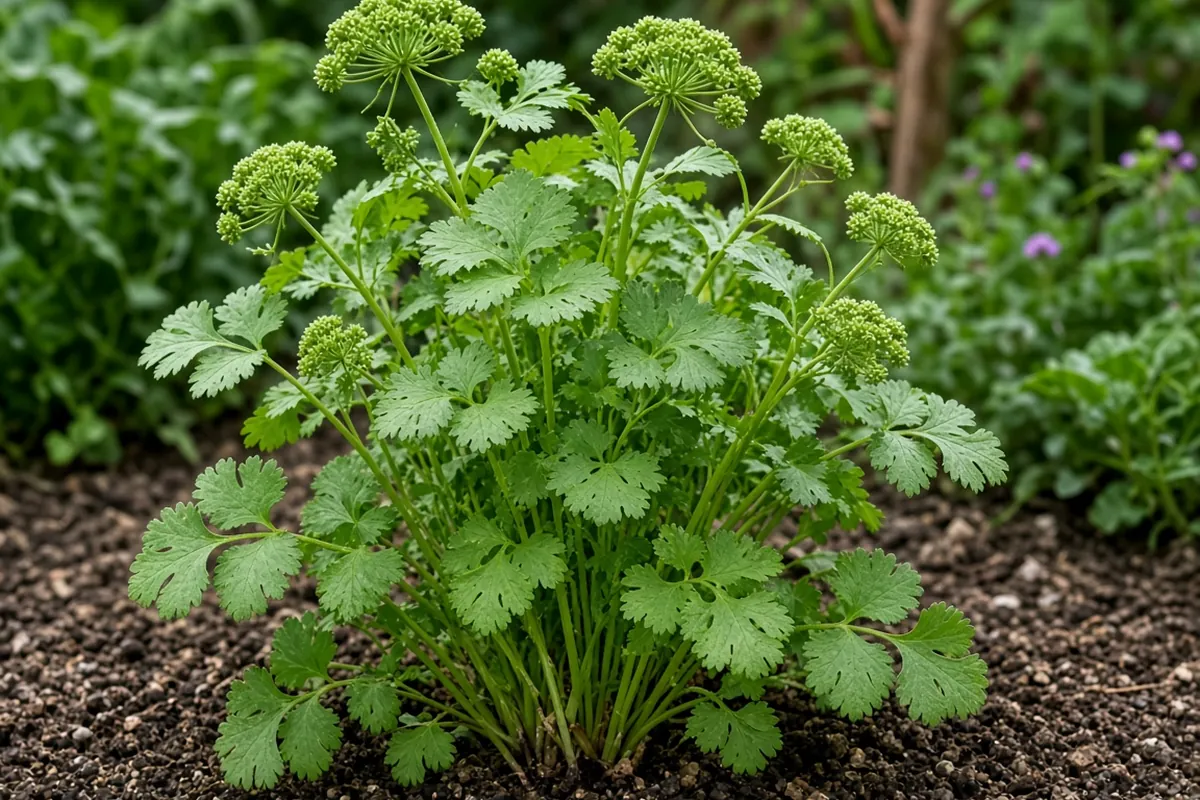
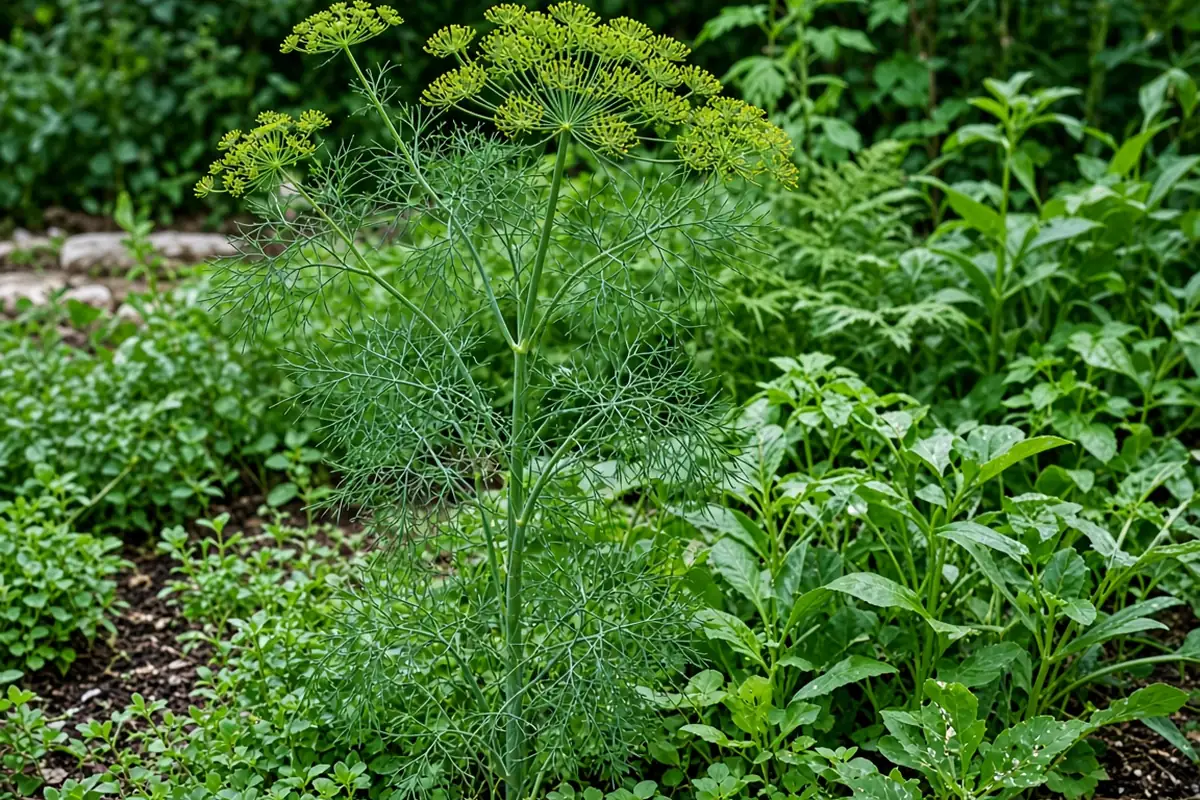
Iowa State University Extension notes cilantro plus coriander come from one plant, with cilantro as the leaf plus coriander as the seed. Dill works the same way, with dill weed as the leaf plus dill seed as the spice. Growing these plants in a garden gives both from a single sowing.
How to: step by step
- Choose herbs suited to your sun.
- Find a sunny spot.
- Use well drained soil or a raised bed.
- Sow basil, cilantro or dill directly.
- Pick leaves for herbs.
- Let dill or cilantro set seed for spices.
Troubleshooting
Leaves lack flavor: very fertile soil. Clemson Cooperative Extension notes rich soil gives lush leaves with less flavor.
Cilantro bolts fast: plant is shifting to seed. Gather the seed as coriander.
Rosemary declines in a bed: poor drainage. Shift it into a raised bed or pot.
For related reading see easy herbs to grow, cannabis leaf anatomy plus cannabis seed anatomy. Kind Seed Co also stocks cannabis seeds.
Sources
- What is the difference between an herb and a spice?, Iowa State University Extension and Outreach
- Using herbs and spices, University of Delaware Cooperative Extension
- Spices and herbs, USDA Forest Service
- Herbs, Clemson Cooperative Extension HGIC
FAQ
Can I grow spices at home?
Some, yes. Clemson Cooperative Extension notes basil, cilantro plus dill can be sown directly in the garden, plus coriander plus dill seed both come from plants you can grow. Most bark plus root spices such as cinnamon plus ginger come from tropical plants, which University of Delaware Extension notes is why they are usually imported.
Is cinnamon a spice?
Yes. Iowa State University Extension lists cinnamon as a spice that comes from the bark of a tropical tree. Spices come from roots, flowers, fruits, seeds or bark, while herbs are the leaves of herbaceous plants. Since cinnamon is bark, not a leaf, it fits the spice group under either rule.
Why are herbs used in larger amounts?
Iowa State University Extension notes spices are more potent than herbs, so spices are used in small amounts plus herbs in larger amounts. Herbs are fresh or dried leaves with a milder flavor. Spices come from roots, flowers, fruits, seeds or bark, often of tropical plants.
Are herbs always non woody plants?
Not always. Clemson Cooperative Extension notes most herbs are herbaceous annuals or perennials, but lavender plus rosemary are small shrubs with woody stems. Iowa State University Extension describes herbs as the leaves of herbaceous plants, which fits most common kitchen herbs such as basil, parsley, oregano plus thyme.
Is bay leaf an herb?
Yes. Clemson Cooperative Extension notes bay laurel is a small evergreen tree whose leaves are used fresh or dried. Since the part used is a leaf, it falls in the herb group even though the plant is woody. Grow bay in a container in cold areas plus move it to a bright spot for winter.



