
What Does Organic Gardening Mean? Practices plus Inputs
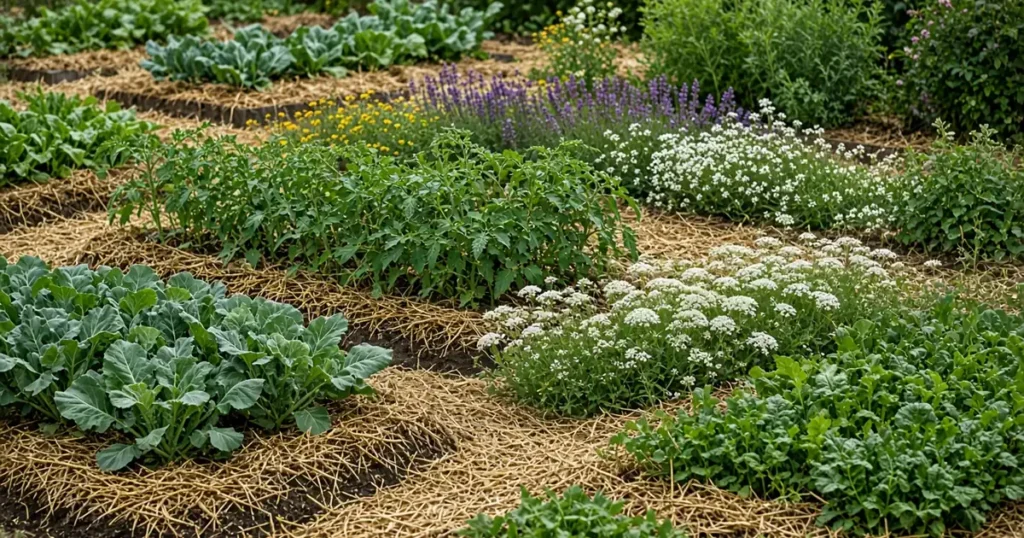
What does organic gardening mean in a home garden? University of Maryland Extension notes its cornerstones are feeding the soil food web with organic matter plus increasing plant diversity. Most organic gardeners avoid synthetic fertilizers. For a home garden, the term describes a set of practices.
The short answer
Organic gardening means building soil with compost, manure plus cover crops instead of synthetic fertilizers, then planning plantings to reduce pest problems. University of Maryland Extension notes organic gardeners vary widely in their practices, with the vast majority avoiding synthetic fertilizers.
Which practices define an organic garden?
Extension services list several core practices.
| Practice | Purpose | Source |
|---|---|---|
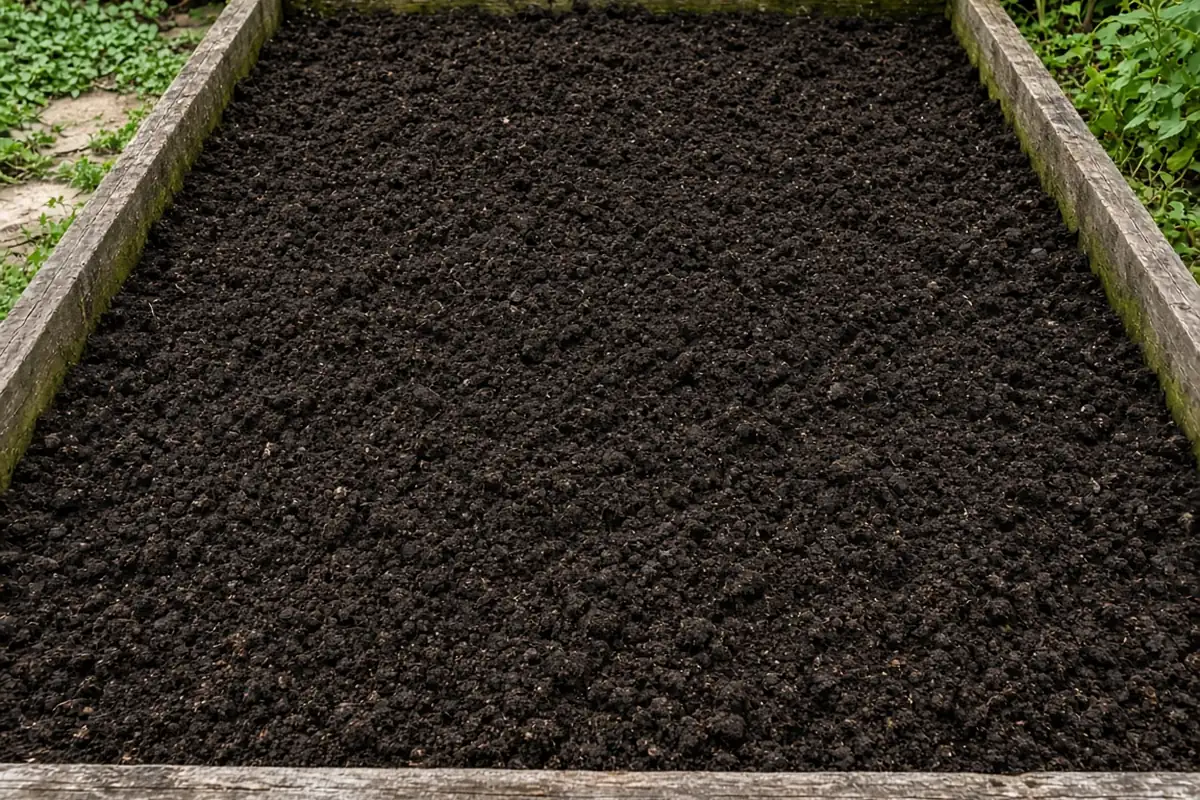
| Add compost plus manure | Builds soil organic matter | University of Kentucky Extension |
| Plant cover crops | Adds organic matter plus reduces erosion | NC State Extension |
| Rotate crops | Breaks up pest cycles | University of Kentucky Extension |
| Time plantings | Avoids peak pest periods | UMass Amherst Extension |
| Use barriers such as cups | Blocks cutworms | UMass Amherst Extension |
Sources: University of Kentucky Extension, NC State Extension plus UMass Amherst Extension.
Why does soil come first?
University of Maryland Extension calls the soil food web a cornerstone of organic gardening, fed by regular organic matter. UMass Amherst Extension notes organic gardeners build soil organic matter in place of artificial fertilizers. NC State Extension advises starting with a soil analysis plus resampling at least every 3 years.
How does planning reduce pest problems?
UMass Amherst Extension notes careful timing of plantings can avoid peak cutworm periods, plus simple barriers such as cups around stems block cutworms. University of Kentucky Extension lists planning to avoid pests alongside crop rotation plus mulches. Diverse plantings, which University of Maryland Extension notes are a cornerstone, also help.

How to: step by step
- Request a soil analysis.
- Add compost or composted manure.
- Sow a cover crop in open beds.
- Rotate crop families yearly.
- Spread mulch around plants.
- Time plantings plus add barriers.
Troubleshooting
Plants grow slowly: low organic matter. Add compost plus check the soil analysis.
Beds erode in rain: bare soil. Plant a cover crop or mulch.
Cutworms cut seedlings: planting at a peak period. Change timing plus add cups.
For related reading see organic vs synthetic fertilizer for cannabis, living soil plus cannabis plant resilience plus composting cannabis garden waste. Kind Seed Co also stocks cannabis seeds.
Sources
- What is organic or sustainable vegetable gardening?, University of Maryland Extension
- Extension Gardener Handbook, chapter 17: Organic gardening, NC State Extension
- Organic gardening (HO 100), University of Kentucky Cooperative Extension
- What is organic gardening?, UMass Amherst Extension
FAQ
Why does plant diversity matter in an organic garden?
University of Maryland Extension names increasing biological diversity above plus below ground as a cornerstone of organic gardening. It notes growing many different plants plus cultivars attracts beneficial insects plus increases garden resiliency. Mix crop families plus flowers across your beds rather than filling them with one crop.
Can organic gardens use manure?
Yes. NC State Extension lists composted manure among organic soil amendments, plus University of Kentucky Extension names manures alongside compost plus mulches as core organic inputs. Composting manure before use is the common practice. Work it into beds ahead of planting so it can break down plus feed the soil food web.
Do organic gardeners need a soil analysis?
NC State Extension advises starting an organic garden with a soil analysis plus resampling at least every 3 years. The results show pH plus nutrient levels, so you add only what the soil needs. Without that baseline, it is easy to overload beds with manure or compost over many seasons.
What are cover crops for?
NC State Extension notes green manures plus cover crops add organic matter, reduce erosion plus suppress weeds. Sow them in beds that would otherwise sit empty, such as after a fall harvest. Turn them into the soil before they set seed so they break down before you plant the next crop.
Why rotate crops in an organic garden?
University of Kentucky Extension lists crop rotation as a core organic practice alongside compost, manures plus mulches. Moving crop families to a new bed each year breaks up the cycles of pests that build up when the same crop grows in one spot. Plan the rotation on paper over three or four beds.



