
Phlox Leaning: Shade plus Crowded Clumps

Phlox leaning is common when tall garden phlox grows in too much shade or in old, crowded clumps. University of Minnesota Extension notes tall phlox grows well in full sun plus that shade cuts both bloom plus plant vigor, while Iowa State advises dividing clumps into smaller sections.
The short answer
Phlox leaning usually comes from too much shade or crowded clumps. Minnesota notes tall garden phlox needs sun to bloom plus should not be planted near competing trees plus shrubs. Thin stems for air flow, as NC State advises, plus divide clumps every two to four years, as Minnesota advises.
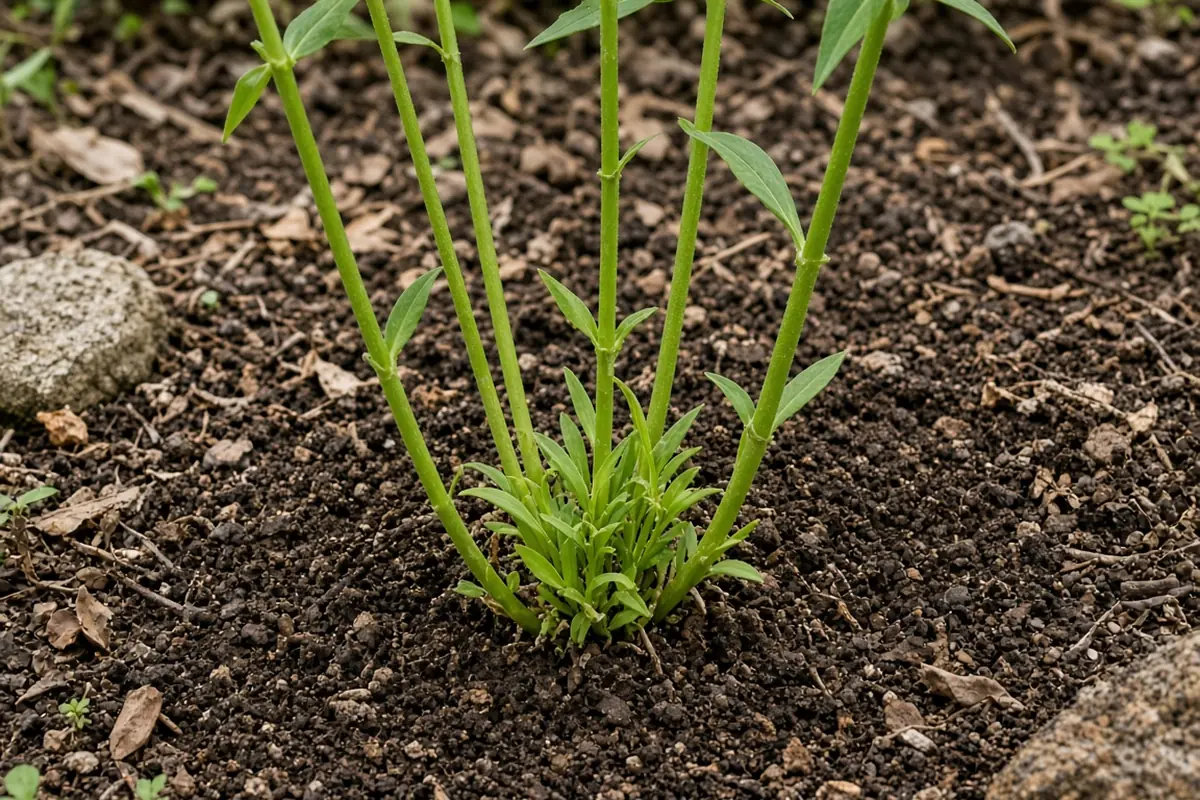
Why is my phlox leaning?
Shaded stems stretch toward light, while crowded clumps push stems outward. Minnesota notes shading decreases bloom quantity plus quality while it increases disease problems.
| Factor | Target | Source |
|---|---|---|
| Light | Full sun, light shade at most | Minnesota |
| Spacing | 18 inches apart | Minnesota |
| Dividing | Every 2 to 4 years | Minnesota |
| Division size | 3 to 5 shoots with roots | Minnesota |
| When to divide | Spring or late summer | Iowa State |
Source: University of Minnesota, Iowa State, Clemson plus NC State Extension.
How much sun does tall phlox need?
Minnesota notes tall garden phlox grows well in full sun but tolerates light shade. Iowa State notes plants often tolerate part sun. Clemson notes tall phlox prefers sun or part shade. Move leaning clumps away from trees.
Does thinning stems help phlox stand?
NC State notes good air circulation from adequate spacing plus thinning stems as needed helps plants. Fewer stems per clump gives each more light plus room, so the sturdiest stems stand more upright.
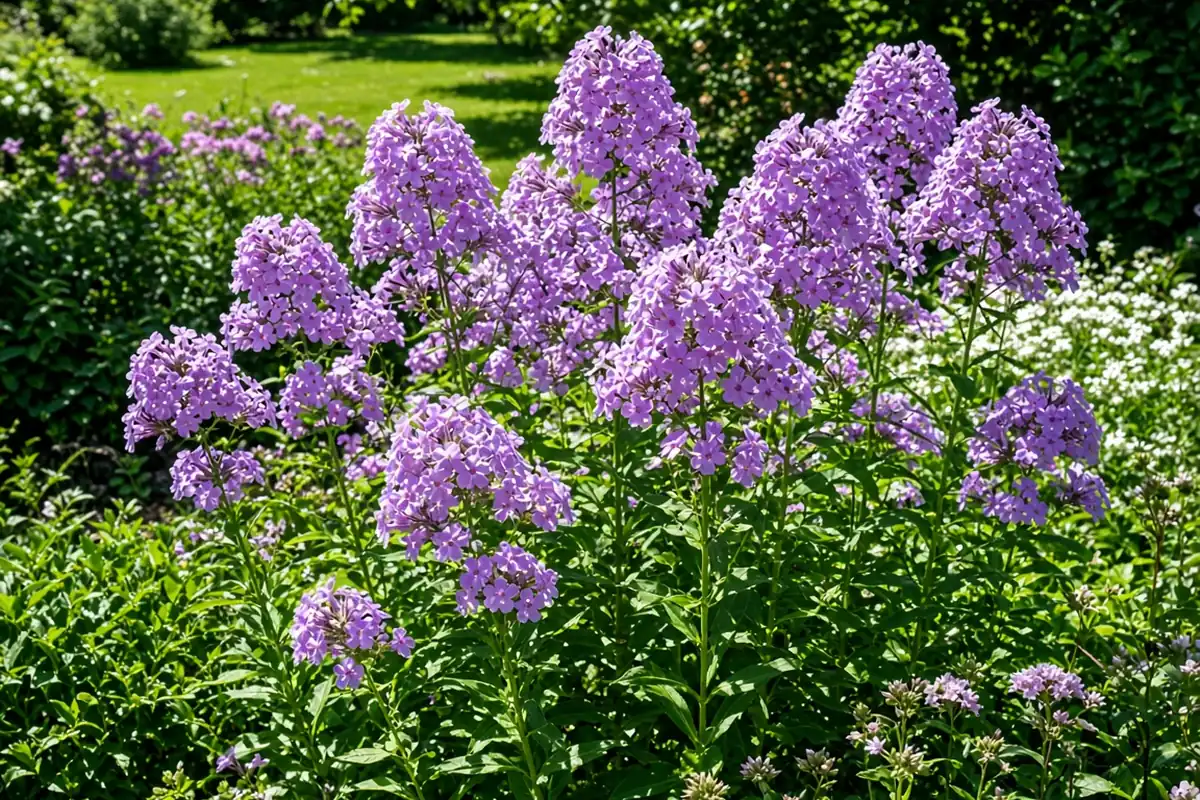
How to: step by step
- Check how many hours of sun the bed gets.
- Move clumps away from trees plus shrubs.
- Thin dense stems in spring.
- Divide old clumps into sections.
- Replant divisions 18 inches apart.
- Water the soil, not the leaves.
Troubleshooting
Stems tilt one way: shade. Move clumps to more sun.
Clump center dies out: overcrowding. Divide the clump.
Weak, spindly stems: too many shoots. Thin the clump.
For more on outdoor growing see the effects of environmental stresses on weed plants, cannabis heat stress plus companion plants when growing marijuana. Kind Seed Co also stocks cannabis seeds.
Sources
- Tall garden phlox, University of Minnesota Extension
- Growing phlox in Iowa, Iowa State University Extension and Outreach
- Phlox, Clemson Cooperative Extension Home and Garden Information Center
- Phlox paniculata (garden phlox), NC State Extension Gardener Plant Toolbox
FAQ
When should phlox be divided?
Iowa State notes garden phlox can be divided in spring or late summer to early fall. University of Minnesota Extension notes most phlox need dividing every two to four years if they grow well, plus spring before new growth is the ideal time. Clemson advises dividing tall phlox at least every 3 years.
How many stems should a phlox division have?
University of Minnesota Extension advises that each division have three to five vigorous shoots with roots attached. Iowa State notes each section should hold at least 2 or 3 shoots plus a portion of the root system. Smaller divisions with fewer stems grow less crowded plus stand more upright.
Does fertilizer help leaning phlox?
Moderate feeding supports vigor. University of Minnesota Extension advises watering plus fertilizing phlox adequately to support vigorous growth, plus notes fed plants may give a second smaller flush of blooms. More sun plus thinning do more for leaning stems than extra fertilizer, so fix light plus crowding first.
Are there shorter phlox that lean less?
Yes. Clemson notes phlox ranges from low mounded sun lovers plus low spreading woodland types to tall upright kinds. Low growing phlox for sun include moss phlox, while woodland phlox plus creeping phlox suit shade. These low types suit shady spots where tall phlox would stretch for light.
How far apart should tall phlox be planted?
University of Minnesota Extension advises spacing tall garden phlox 18 inches apart to ensure adequate air circulation. Clemson advises dividing clumps at least every 3 years to prevent overcrowding. Room between plants lets light reach each clump so stems grow more upright plus foliage dries quickly.



