Polyhybrid vs landrace cannabis genetics
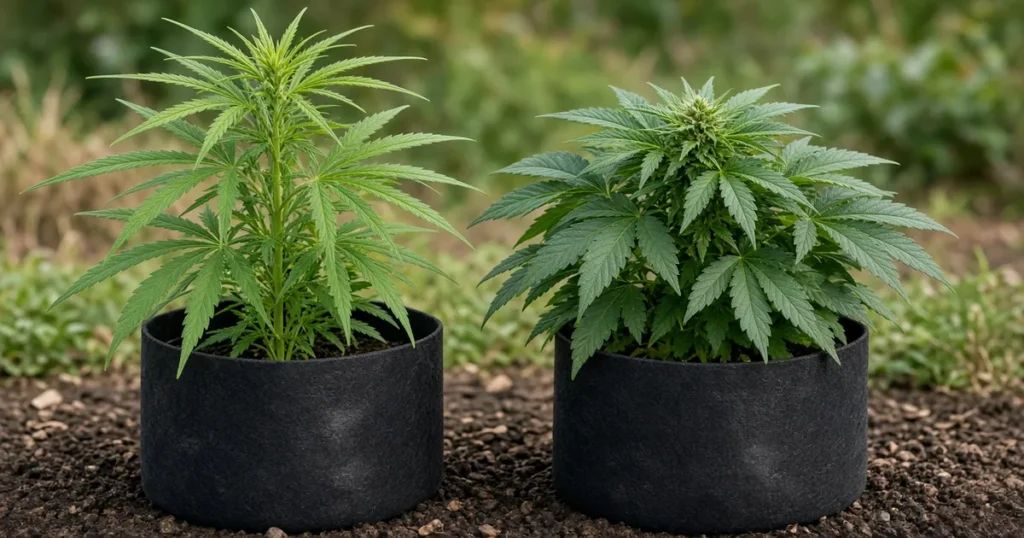
Landrace cannabis is a traditional variety that grew in one region for many generations and adapted to its local climate. A polyhybrid is a modern strain built by crossing many different lines together, often from several hybrids. Landraces tend to be more uniform within their region and more specialized for it, while polyhybrids mix traits from many backgrounds and can vary more from seed to seed. Most seeds sold today, including most cannabis seeds in modern catalogs, are hybrids or polyhybrids. This guide explains the difference and what it means for home growers. It is for adults 21 and older where home growing is legal.
What is a landrace
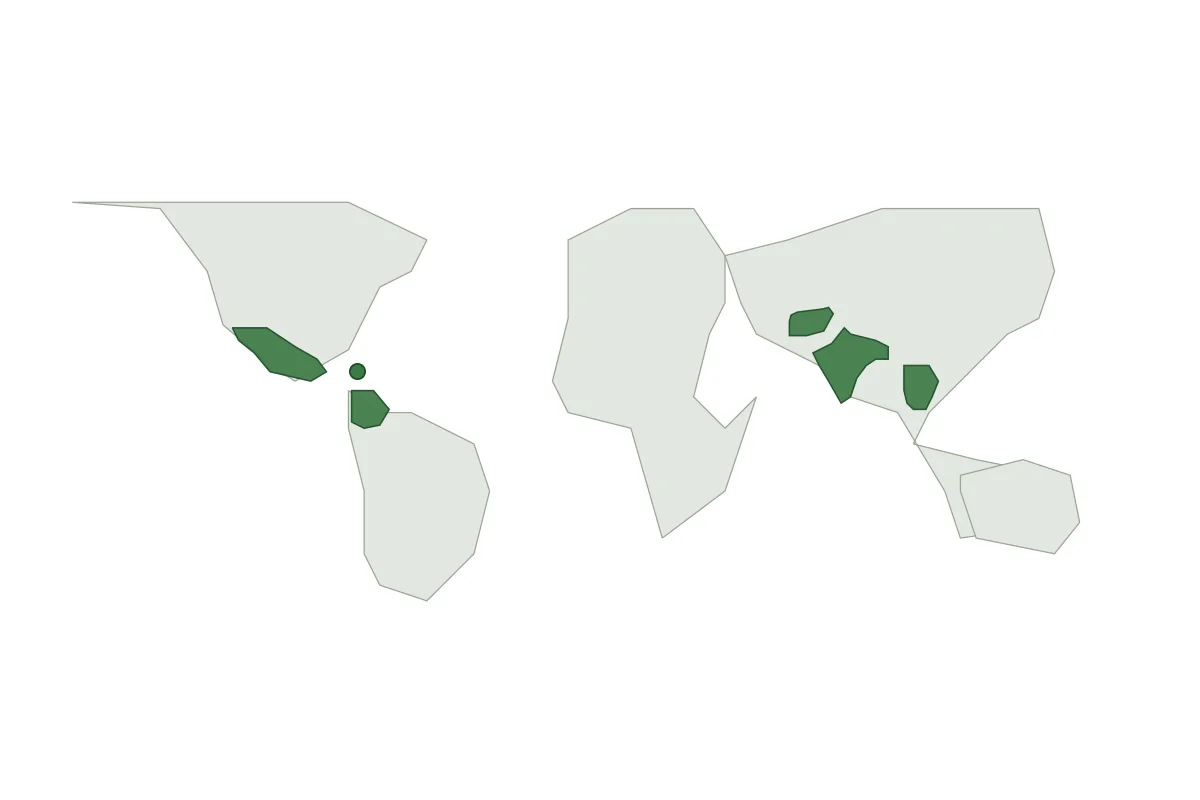
A landrace is a population of plants that farmers grew and saved in one area for a very long time. Over generations, plants that did well in that place survived and passed on their traits. Landraces are often named for their region. Commonly cited examples include varieties associated with Afghanistan, Thailand, Colombia, Mexico and Jamaica, though the history of many named landraces is debated.
Typical traits of landraces
- Adapted to a specific climate. A tropical landrace may flower late and stay airy, while a mountain landrace may be short and dense.
- Relatively consistent within their home population.
- Sometimes hard to grow elsewhere. A plant adapted to the equator may flower for many weeks or struggle in cooler places.
What is a polyhybrid
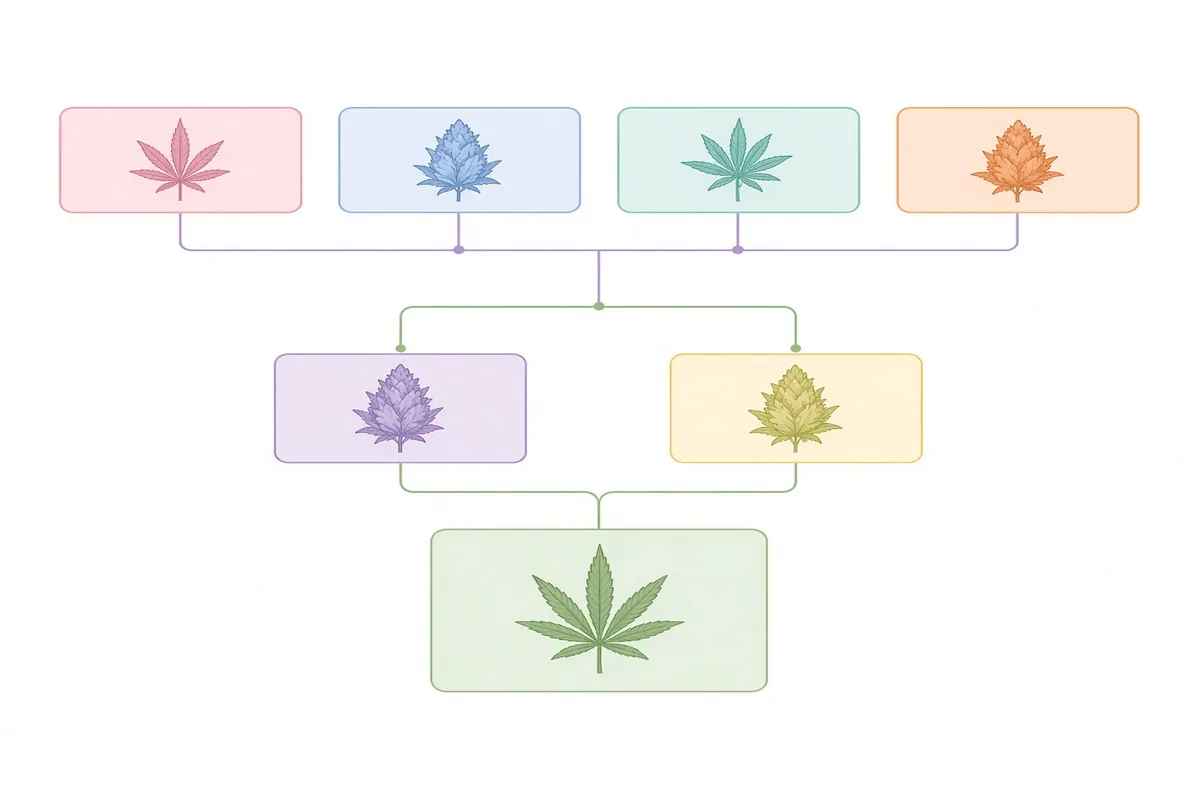
A polyhybrid is a strain with many different parents in its family tree. A breeder might cross a popular hybrid with another popular hybrid, each of which already carries several lines. Many current dessert style and gas style strains are polyhybrids.
Typical traits of polyhybrids
- Mixed traits from many backgrounds.
- More variety between seeds, especially in new crosses.
- Bred for modern goals such as resin, color and bag appeal.
- Often compact and fast for indoor growing.
Heirlooms and IBLs
Two more terms help:
- Heirloom: a landrace grown outside its home region for generations, often slowly adapting to the new place.
- IBL: an inbred line. A breeder grows and selects one line over many generations to make it stable.
Comparing landrace and polyhybrid growing
| Factor | Landrace | Polyhybrid |
|---|---|---|
| Variation between seeds | Lower within its home population | Often higher |
| Climate fit | Best in its home climate | Bred for wide indoor use |
| Flowering time | Can be long for tropical types | Often moderate |
| Indoor fit | Varies | Usually designed for it |
| Breeding value | Source of unique traits | Useful but complex |
Why polyhybrids vary from seed to seed
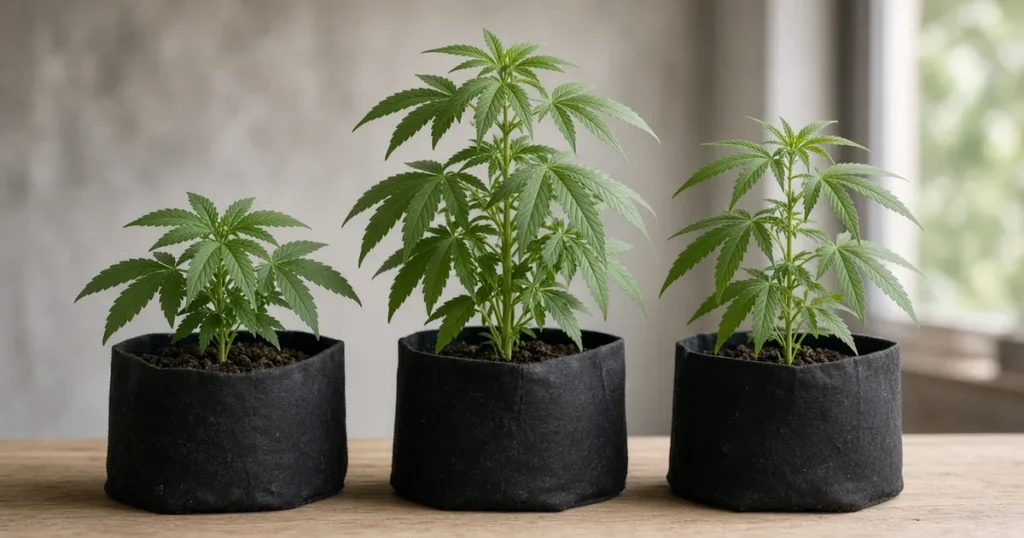
When a strain has many different parents, its seeds can show many combinations of traits. One seed may grow short and bushy, another tall and stretchy. That is why pheno hunting is popular with polyhybrids. Read our guide to selecting a high quality phenotype.
Why landraces matter to breeders
Landraces hold genetic diversity that modern lines may have lost. Breeders often use them to add traits such as mold resistance, unusual aromas or vigor. Preserving landraces protects that diversity for the future.
Which should a home grower choose
- Beginners: a stable feminized hybrid is usually easiest.
- Pheno hunters: polyhybrids give lots of variety.
- Outdoor growers: look for lines adapted to a climate close to yours, which may include heirlooms or regional hybrids.
- Preservationists: landraces and heirlooms reward patient growers with long seasons.
How to read a strain’s lineage
Look at the product description and breeder notes. A listing that names a single regional variety may be a landrace or heirloom. A listing with two hybrid parents, each with their own complex background, is likely a polyhybrid. Lineage claims are not always verified, so treat them as a guide. When a listing gives little detail, the breeder name, the stated parents and the flowering estimate together tell you more than any single label.
Growing tips for each type
Landraces: research the home climate, plan for longer flowering if tropical, give tall plants room and keep humidity low if the type is airy and adapted to dry seasons.
Polyhybrids: expect variety, label plants, keep notes and give dense, resin heavy types plenty of airflow.
Indica, sativa and where these terms fit
Landraces are where the classic indica and sativa labels began. Short, broad leaved mountain types came to be called indica, and tall, thin leaved tropical types came to be called sativa. After decades of crossing, most modern polyhybrids mix both, so the label on a seed pack says less about how a plant will grow than its own notes on height, structure and flowering time. Our post on indica and sativa plants explains the history.
Can a polyhybrid become stable
Yes, with time. A breeder who keeps selecting and crossing the best plants from a polyhybrid for many generations can turn it into a stable line that grows true from seed. That work is what separates a quick cross from a finished strain, and it is one reason established breeders’ lines often feel more consistent in the garden.
Grow legally and responsibly
Home cultivation is only legal in some states, and each state sets its own plant limits, locking rules and rules about whether plants can be visible from a public place. You must be 21 or older to buy seeds from Kind Seed Co, and you should grow only where your state and city allow it. Check your state rules in our guide to the legal requirements for growing weed plants in your state before you plant. Federal treatment of cannabis seeds is also changing, so read our December 11 2026 seed rule explainer before you order. Keep plants and harvested flower locked away from children, pets and visitors, and never drive after using cannabis. This article is general information about gardening. It is not legal advice and it is not medical advice.
Frequently asked questions
What is a landrace cannabis strain?
A traditional variety grown and saved in one region for many generations, adapted to that local climate.
What is a polyhybrid cannabis strain?
A modern strain with many different parent lines in its family tree, often created by crossing hybrids with other hybrids.
Are landraces better than hybrids?
Not better, just different. Landraces carry unique diversity and climate adaptation. Hybrids are often bred for indoor growing and modern goals.
Why do polyhybrid seeds look different from each other?
Many parents means many possible trait combinations, so seeds can vary in height, structure and aroma.
Can I grow a landrace indoors?
Often yes, but tropical landraces may flower for a long time and grow tall. Check the expected flowering time and height first.
What is an heirloom strain?
A landrace grown outside its home region for generations, often slowly adapting to the new place.
Are autoflowers landraces or polyhybrids?
Most modern autoflowers are hybrids. Their autoflowering trait comes from ruderalis, which was crossed into popular photoperiod lines, so many are polyhybrids with a ruderalis parent somewhere in the family tree.
Where can I find landrace seeds?
Some breeders and seed banks offer landrace or heirloom lines. Read the listing carefully and treat origin claims as a guide, since the history of many landraces is hard to verify.
Ready to start
Browse the full range in the Kind Seed Co shop or go straight to marijuana seeds. Kind Seed Co sells only to adults 21 and older. Always follow the home grow laws where you live.