
Pulling Spent Annuals in Fall: What to Pull plus Leave
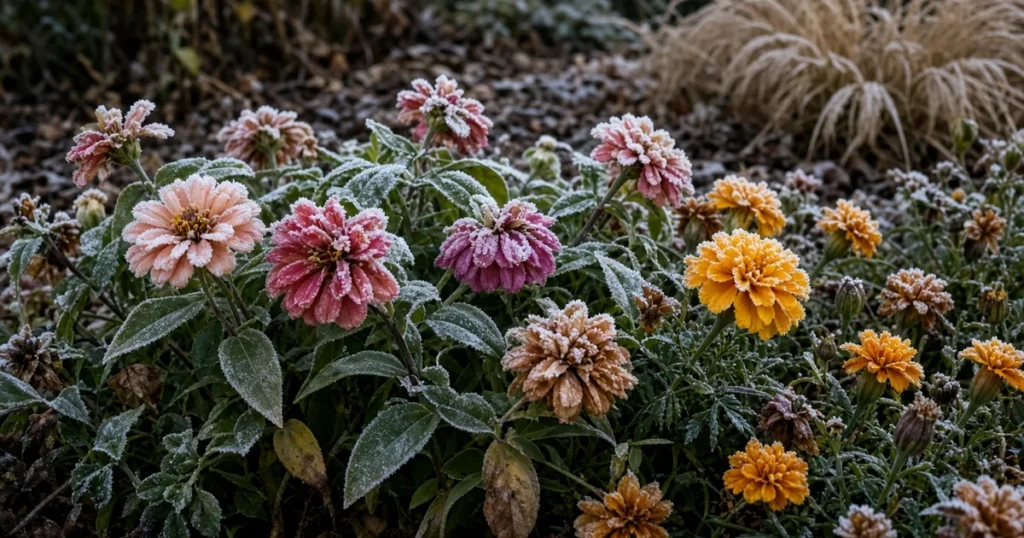
Pulling spent annuals in fall clears out frost killed plants, while seed heads of self sowing types can stay for next year. Illinois Extension advises removing annuals after the first frost. Iowa State Extension notes most home compost piles do not get hot enough to kill disease organisms, so bag diseased plants.
The short answer
Pulling spent annuals in fall starts after the first frost, as Illinois Extension advises. Compost plants free of disease, but bag or haul away diseased ones, since Iowa State notes home piles rarely reach 150 to 180 degrees. UNH Extension notes self sowing annuals need some seed heads left.
Should spent annuals be pulled in fall?
Illinois Extension advises removing annuals after the first frost plus adding annuals plus container soil to a compost pile. Iowa State notes diseased plant debris should be cleared plus not composted.
| Factor | Target | Source |
|---|---|---|
| Timing | After the first frost | Illinois |
| Compost heat to kill disease | 150 to 180 degrees F | Iowa State |
| Diseased plants | Bury or haul away | Iowa State |
| Self sowers | Leave some seed heads | UNH |
Source: Illinois, Iowa State plus UNH Extension.
Which annuals should be left standing?
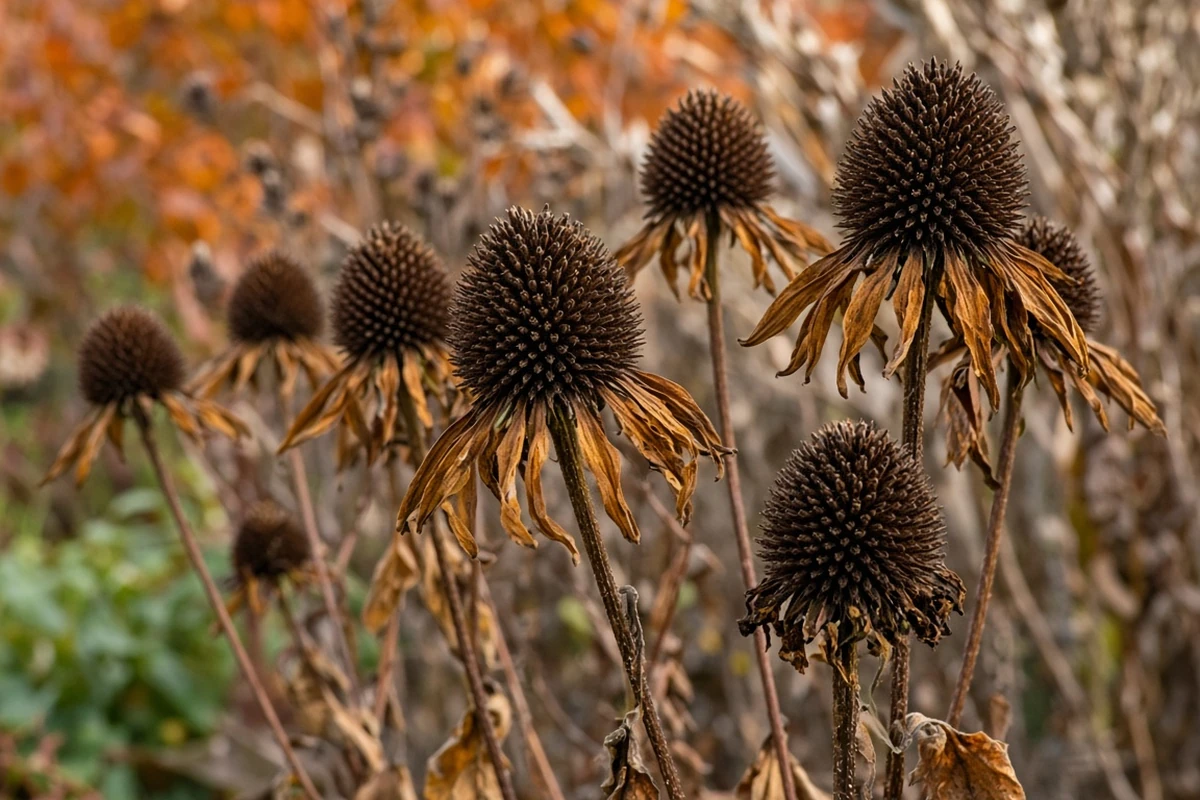
UNH Extension notes self sowing annuals such as cosmos, calendula plus larkspur need some seed heads left. Iowa State notes stems plus seed heads offer winter interest plus food for birds.
Can spent annuals go in the compost?
Yes, if disease free. Iowa State notes most home piles never reach the 150 to 180 degrees needed to kill most pathogens, so bury or haul away diseased plants.
How to: step by step
- Wait until frost ends the bloom.
- Pull diseased plants first plus bag them.
- Pull leftover annuals once they die back.
- Compost plants free of disease.
- Leave some seed heads on self sowers.
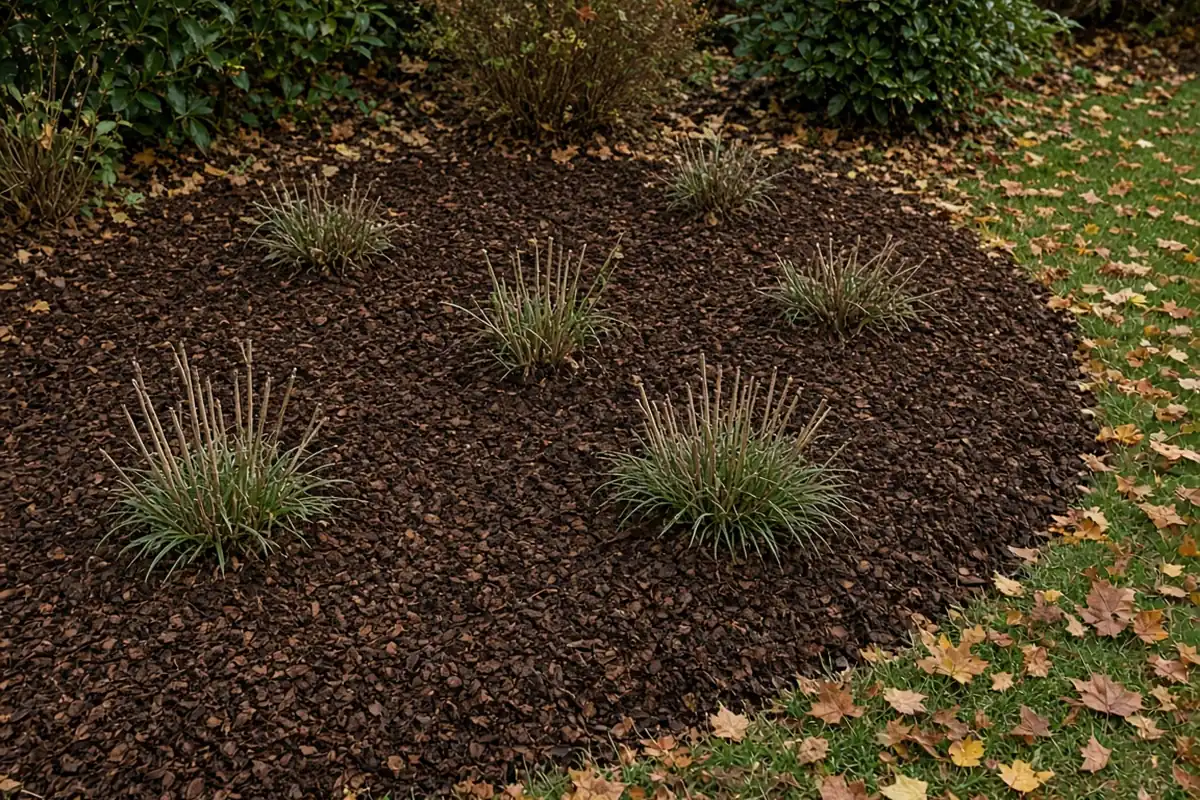
- Leave fallen leaves on beds over winter.
Troubleshooting
Disease recurs next year: infected debris left. Bag diseased plants.
Too many seedlings in spring: seed heads left. Thin them out.
Compost full of seedlings: weed seed heads added. Skip them.
For more on outdoor growing see fertilizer and compost for growing outdoors, fall garden cleanup after cannabis harvest plus cover crops for cannabis. Kind Seed Co also stocks cannabis seeds.
Sources
- Can I put disease-infested plant material in my compost pile?, Iowa State University Extension and Outreach
- Fall garden checklist, University of Illinois Extension
- Managing fallen leaves and fall cleanup, Iowa State University Extension and Outreach
- Which annual flowers are self-sowing?, UNH Extension
FAQ
Do self sowing annuals need to be left?
Some of them, yes. UNH Extension notes deadheading cosmos prolongs bloom, but enough seed heads must stay for self sowing. Calendula needs some seed heads left later in the season too. Pull the rest of the plant once the seed has dropped. You can also leave stems standing over winter.
Is fall or spring better for cleanup?
Both have a place. Iowa State Extension notes leaving stems, seed heads plus leaves until early spring gives food plus shelter for pollinators plus birds. It advises removing diseased or pest infested debris in fall. Illinois Extension advises removing annuals after the first frost.
Should I leave leaves on my garden beds?
Iowa State Extension notes leaves in garden beds can be left over winter to shelter plant roots plus overwintering insects. The goal of fall cleanup is to leave behind as much as possible. Vegetable gardens plus lawns are the main places where removing leaves plus debris helps.
Can container soil go in the compost?
Yes. Illinois Extension advises adding annuals plus container soil to a compost pile in fall. It also advises drying containers plus storing them in a cool, frost free spot. Skip soil from pots that held diseased plants.
Why should diseased plants stay out of compost?
Iowa State Extension notes temperatures of 150 to 180 degrees F are required to kill most plant disease pathogens. Most home compost piles never get that hot, so the organisms survive. It advises burying or hauling away diseased plant material plus Illinois Extension adds the same advice.



