
Rose Bush Not Blooming? Pruning Feeding plus Sun
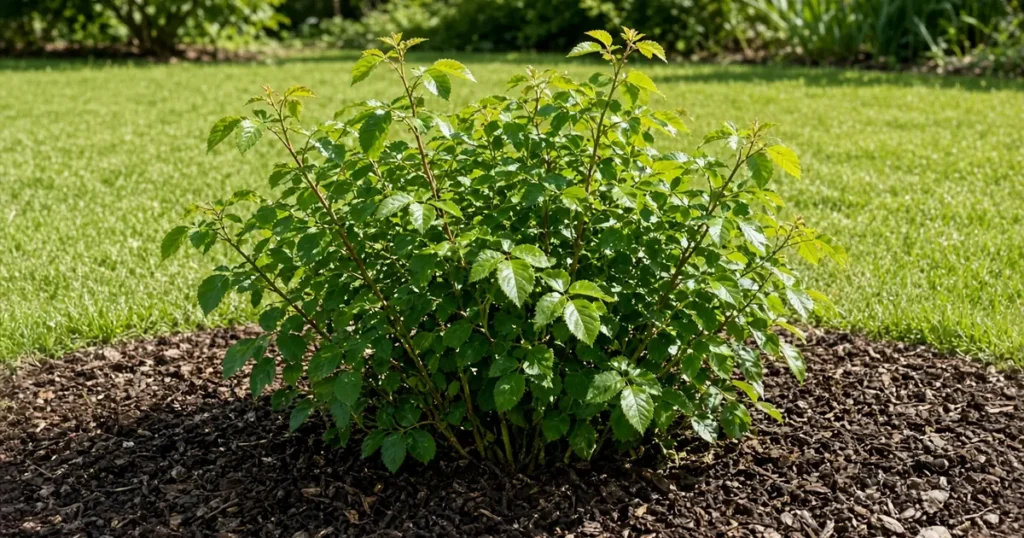
A rose bush not blooming is often short on sun, pruned at the wrong time or pushing lush leaves from too much fertilizer. University of Maryland Extension lists shade, excess fertilizer, improper pruning, weather stress plus winter kill as reasons for poor flowering. Count sun hours first, then check how the rose was pruned.
The short answer
Most roses need at least six hours of direct sun, per University of Maryland Extension. Once blooming roses flower on old wood, so spring pruning removes the buds. Lush leaves with no buds suggest too much fertilizer. Fix the light, prune by rose type plus check the feeding routine.
How much sun do roses need to bloom?
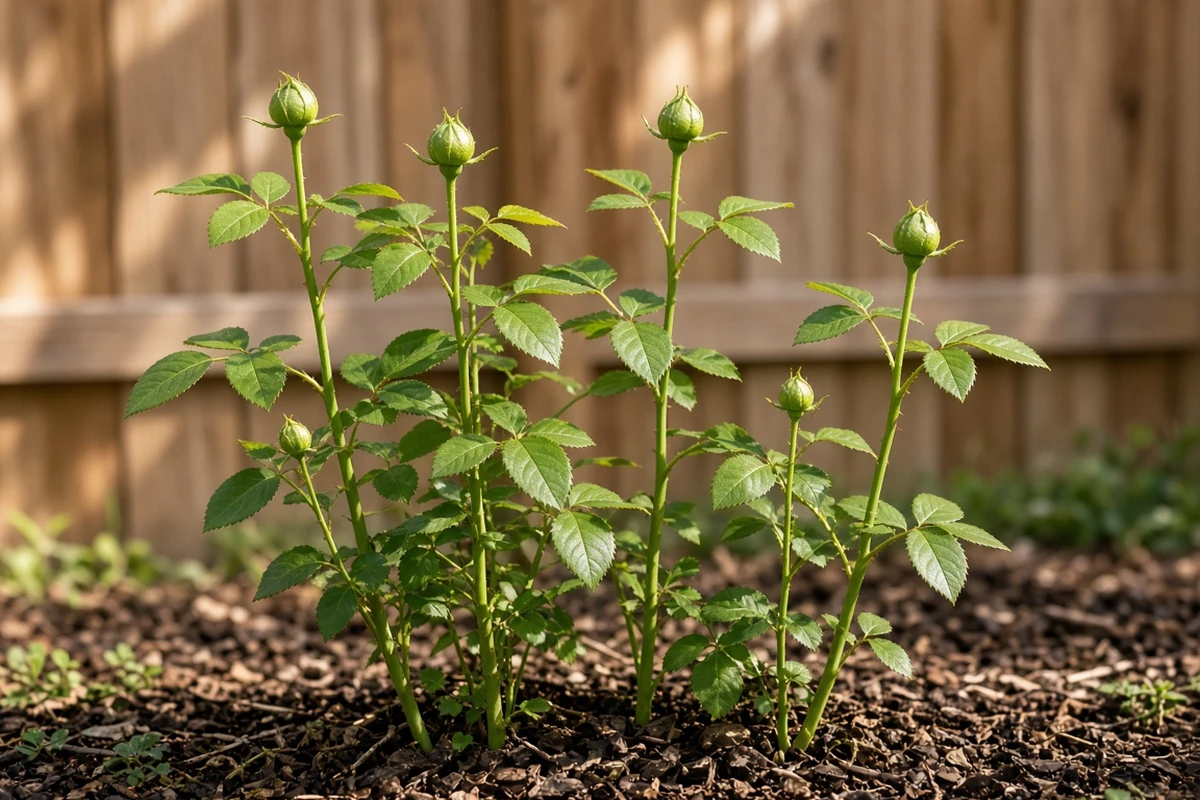
University of Maryland Extension notes a spot with at least six hours of direct sun a day is ideal for most roses, plus morning sun helps dry foliage. NC State Extension notes roses need full sun. Crowded plants compete for light, water plus nutrients, so give each bush room.
| Rose type | Blooms on | Prune | Source |
|---|---|---|---|
| Hybrid teas plus floribundas | New wood | Hard in early spring | University of Illinois Extension |
| Old once blooming roses | Old wood | After flowering | University of Illinois Extension |
| Ramblers | Old wood | Right after flowering | University of Illinois Extension |
| Climbers | New wood | Early spring | University of Illinois Extension |
Source: University of Illinois Extension.
How does pruning timing affect flowers?
University of Illinois Extension notes the class of rose plus when it blooms decide how to prune. Old once blooming roses such as Albas, Gallicas plus Damasks flower on old wood, so all pruning waits until after flowering. Modern ever blooming roses flower on new wood plus are pruned hard in early spring.
Can young or old roses bloom less?
Age plays a part. University of Illinois Extension notes shrub roses can go unpruned for their first two or three seasons. On older bushes, removing a third of the oldest canes each spring stops a thicket of poor flowering canes. University of Maryland Extension notes roses need regular care for productive flowering.
How to: step by step
- Tally hours of direct sun on the bush.
- Learn whether the rose blooms once or repeats.
- Prune once blooming roses right after flowering only.
- Remove dead canes plus thin weak canes.
- Check whether lush leafy growth follows heavy feeding.
- Inspect leaves for black spot plus leaf drop.
Troubleshooting
Lush leaves with no buds: too much fertilizer. Review the feeding routine.
Few flowers in shade: low light. Cut back shade or relocate the rose.
No flowers after spring pruning on a once blooming rose: pruning timing. Next year, prune after flowering.
For related reading see the effects of environmental stresses on weed plants, reading fertilizer numbers plus 7 considerations that can affect cannabis flowering. Kind Seed Co also stocks cannabis seeds.
Sources
- Rose: identify and manage problems, University of Maryland Extension
- Rose care by season, Iowa State University Extension and Outreach
- Pruning, roses, University of Illinois Extension
- Rosa (rose), NC State Extension Gardener Plant Toolbox
FAQ
Do new roses bloom the first year?
Many do, though care shapes the display. University of Illinois Extension notes shrub roses can be left unpruned for their first two or three seasons while their shape develops. University of Maryland Extension notes most plant problems on roses in the ground less than two years come from conditions rather than disease or insects.
Can black spot stop roses from blooming?
It can cut flowering. University of Maryland Extension notes high disease levels can cause general leaf drop plus less flowering. Black spot shows as dark lesions with feathery margins. Iowa State University Extension advises scouting often in summer, since disease like black spot is often at its worst late in the season.
Should roses be deadheaded?
Repeat bloomers, yes. University of Illinois Extension notes deadheading, the removal of faded flowers before seed forms, works well for most recurrent blooming roses. NC State Extension advises stopping at the end of summer so plants can harden before winter. Iowa State University Extension advises leaving once bloomers alone to form hips.
Do old roses stop blooming?
Old canes flower poorly. University of Illinois Extension notes the one third method, removing a third of the oldest canes each spring, stops a rose from becoming an overgrown thicket of poor flowering canes. It also advises removing dead canes plus thin canes smaller than a pencil to open the plant to light.
When should climbers plus ramblers be pruned?
University of Illinois Extension notes ramblers bloom once, so they are pruned right after flowering in early summer. Climbers repeat bloom, so they are pruned in early spring. Cutting side shoots back to 3 to 6 inches plus training canes more horizontally encourages more flowering side shoots.



