Runoff pH testing for cannabis
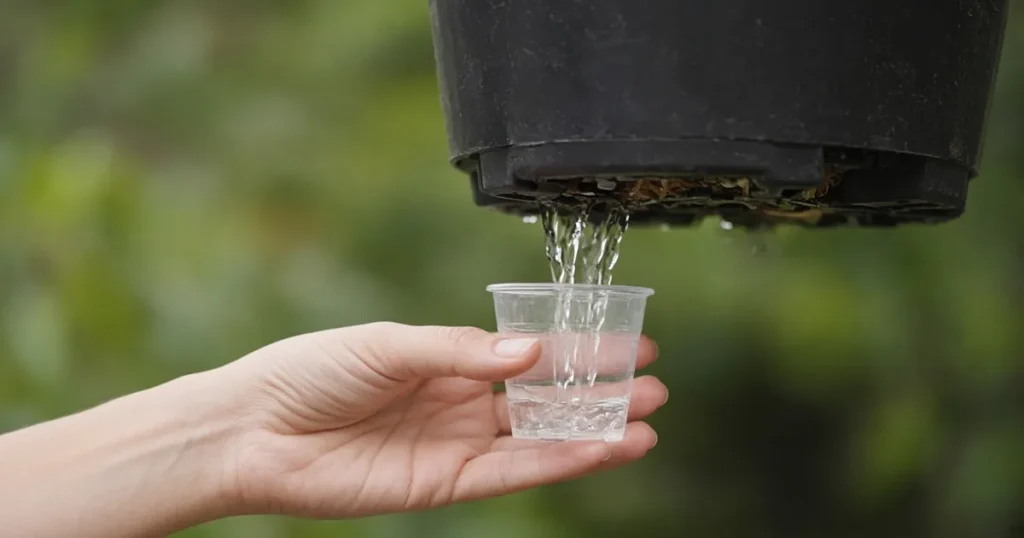
Your pH meter says the water going into the pot is perfect, yet the plant still shows signs of nutrient lockout. What gives? Often the answer lies in the root zone, not the watering can. Runoff pH testing is a simple way to get a window into what is happening around the roots. You water the plant, catch what drains out the bottom and measure it. The number is not perfect, but it can reveal drift, salt buildup and problems that input readings miss. Here is how to do it right and how to read what you find. This guide is for adults 21 and older growing where it is legal.
Why test runoff
The pH of the water you pour in is only half the story. As water moves through the growing medium, it picks up whatever is already there: leftover nutrients, salts, organic acids from roots and the natural chemistry of the medium. The pH and strength of the water that drains out can be quite different from what went in.
Runoff testing helps you:
- Spot pH drift in the root zone before it causes lockout
- Detect salt buildup from overfeeding
- Confirm that your medium is buffering the way you expect
- Troubleshoot problems that look like deficiencies
For background on why pH controls nutrient uptake, see guide to pH for cannabis.
What you need
- A calibrated digital pH pen or meter
- An EC or PPM meter (optional but very helpful)
- A clean cup or saucer to catch runoff
- Your normal watering solution with known pH and EC
Calibrate your pH pen regularly with fresh calibration solution. A drifting meter can send you chasing problems that do not exist.
How to do a runoff test
- Measure your input. Record the pH and EC of the water or nutrient solution you are about to use.
- Water normally. Water the plant slowly and evenly until some water drains from the bottom. Aim for a modest amount of runoff rather than flushing.
- Discard the first trickle. The first bit that drains can be unrepresentative. Let some run through, then collect.
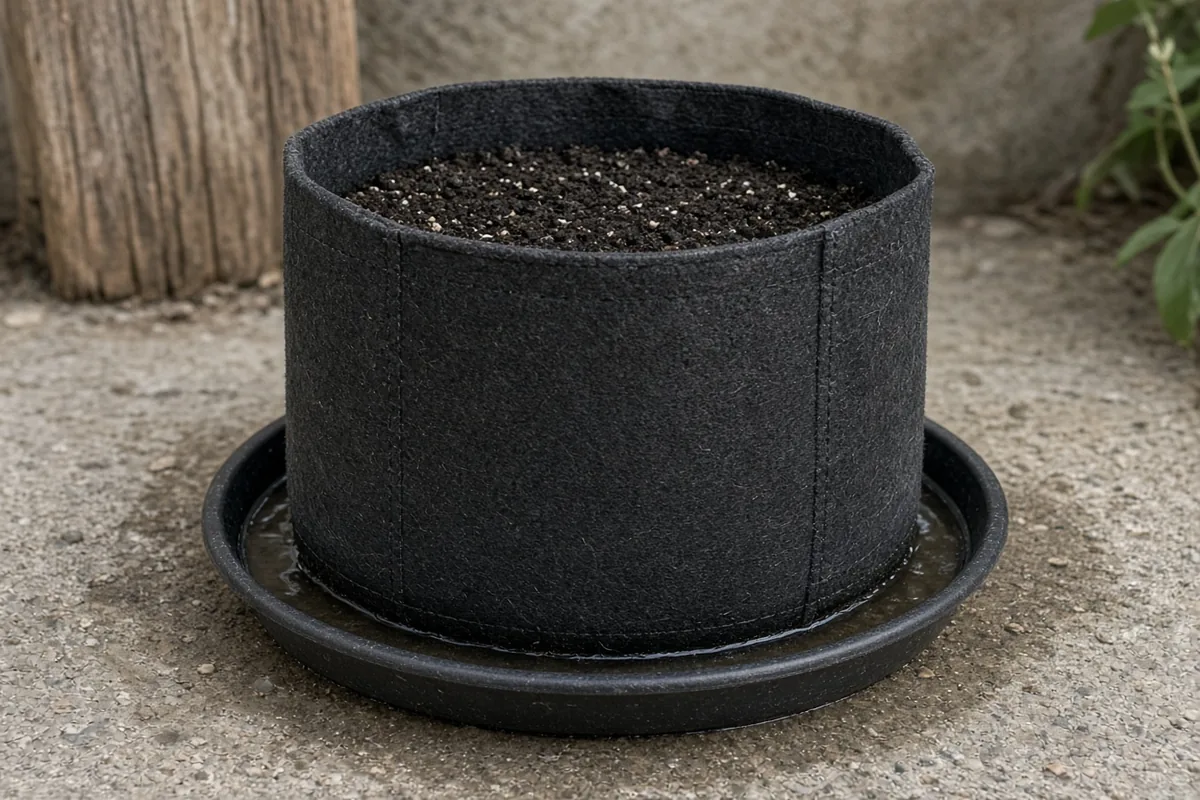
- Collect a sample. Catch runoff in a clean cup. Avoid sampling from a saucer that has been sitting with old water.
- Measure quickly. Test pH and EC right away.
- Record and compare. Write down input and runoff numbers along with the date and plant.
Testing every week or two is plenty for most home grows. Test more often if you are troubleshooting.
How to read the results
Compare runoff to input rather than looking at runoff alone.
| What you see | Possible meaning | What to try |
|---|---|---|
| Runoff pH close to input | Root zone is stable | Keep going |
| Runoff pH much lower than input | Acid buildup or medium drift | Check feeding strength, consider a plain pH adjusted water feed |
| Runoff pH much higher than input | Hard water buildup or alkaline medium | Check source water, adjust input pH slightly |
| Runoff EC much higher than input | Salt buildup | Reduce feed strength or water to a little more runoff |
| Runoff EC much lower than input | Plant is using nutrients heavily | Consider increasing feed gradually |
Small differences are normal. A gap of a few tenths in pH is rarely a problem. Look for consistent trends over several tests instead of reacting to one reading.
Common pH ranges by medium
As a starting point, many growers aim for:
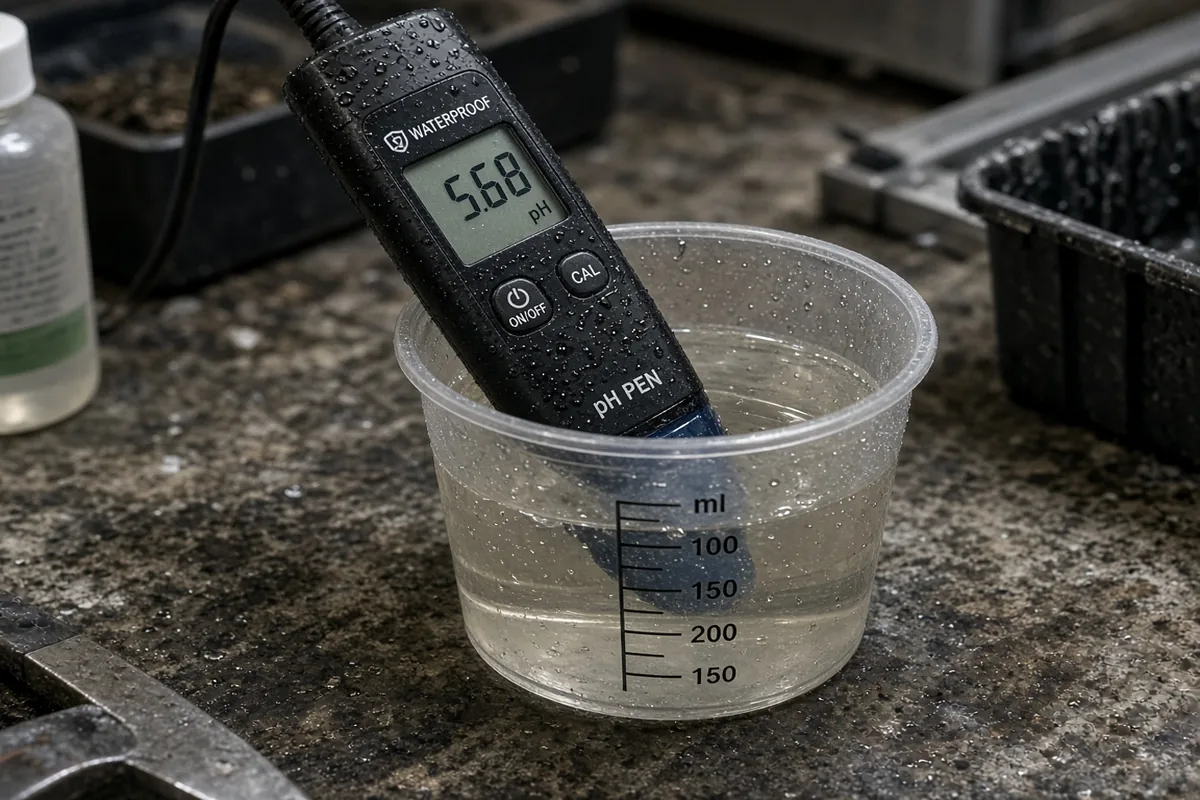
- Soil: about 6.0 to 7.0
- Soilless peat mixes: about 5.8 to 6.5
- Coco: about 5.8 to 6.2
- Hydro: about 5.5 to 6.2
Runoff readings within or near these ranges usually mean things are on track.
Coco and soilless media
Runoff testing is most useful in coco and soilless mixes because these media hold fewer buffering materials and are fed with every watering. Salts can build up quickly, and runoff EC is often the first sign. Many coco growers aim for some runoff at every feed to keep salts from accumulating.
Living soil
In amended living soil, runoff readings are less useful. Soil life, organic matter and lime amendments buffer pH, and the runoff may not reflect what roots experience. Many living soil growers skip runoff testing and focus on plant appearance instead.
Limits of runoff testing
Runoff testing is a rough guide, not lab grade data. Water takes paths through the pot, and what drains out may not reflect conditions at every root. Some growers prefer a slurry test, where you mix a sample of medium with distilled water and test it, or a pour through test, where you pour a measured amount of distilled water over the medium after watering. Both can give a more accurate picture. Use whichever you choose consistently, so you can compare readings over time.
Common mistakes
Uncalibrated meters. Bad data leads to bad decisions.
Overreacting. Do not change pH targets after one odd reading.
Overflushing. Pouring huge volumes of plain water through a pot to fix a reading can stress plants. Make gradual changes.
Ignoring the plant. Readings are a tool. If your plants look healthy, small number swings may not matter. If they look sick, check environment and leaf symptom guide to common deficiencies too.
A sample log
Keeping a simple log makes runoff testing far more useful. Track these columns for each plant:
- Date
- Input pH and EC
- Runoff pH and EC
- Days into veg or flower
- Notes on leaf color or new growth
After a few weeks you will see patterns. Maybe runoff pH slowly falls in mid flower, or EC climbs whenever you skip a plain water feed. Those trends tell you far more than any single reading, and they help you plan adjustments before the plant shows stress.
Grow legally and responsibly
Home cultivation is only legal in some states, and each state sets its own plant limits, locking rules and rules about whether plants can be visible from a public place. You must be 21 or older to buy seeds from Kind Seed Co, and you should grow only where your state and city allow it. Check your state rules in our guide to the legal requirements for growing weed plants in your state before you plant. Federal treatment of cannabis seeds is also changing, so read our December 11 2026 seed rule explainer before you order. Keep plants and harvested flower locked away from children, pets and visitors, and never drive after using cannabis. This article is general information. It is not legal advice and it is not medical advice.
Frequently asked questions
What should runoff pH be for cannabis?
It depends on the medium, but in coco many growers want runoff near 5.8 to 6.2, and in soil near 6.0 to 7.0. Compare runoff to your input rather than chasing a single number.
Is runoff pH accurate?
It is a rough guide. Slurry or pour through tests can give a more accurate picture of the root zone.
How often should I test runoff?
Every week or two is enough for most home grows, more often when troubleshooting.
Why is my runoff EC so high?
Usually salt buildup from feeding stronger than the plant uses. Reduce feed strength or allow more runoff with each watering.
Final thoughts
Runoff pH testing shows what is happening in the root zone, not just what you poured in. Measure input and runoff, compare them over time and look for trends. Use it alongside a calibrated meter and your own eyes on the plant, and you will catch drift and salt buildup long before they turn into lockout.
Ready to start
Browse the full range in the Kind Seed Co shop or go straight to indoor seeds. Kind Seed Co sells only to adults 21 and older. Always follow the cannabis laws where you live.