Snake Plant Leaves Falling Over? Causes plus Fixes
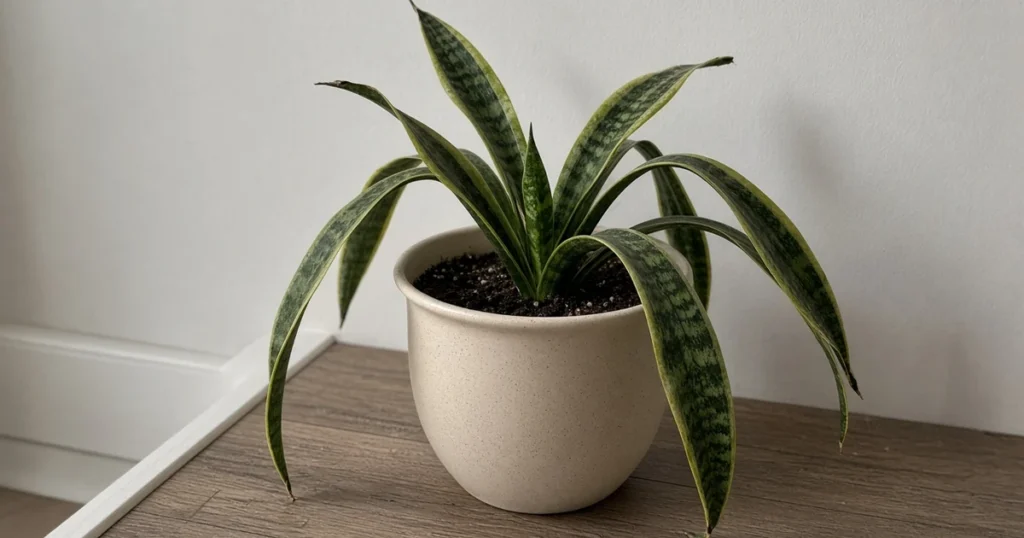
Snake plant leaves falling over usually trace back to too much water. University of Illinois Extension notes overwatering is the main reason for failure with this plant. NC State Extension notes the roots will rot if the plant is overwatered. Check the roots first, then fix the watering plus the light.
The short answer
Floppy snake plant leaves most often mean wet soil plus rotting roots. University of Illinois Extension advises letting the soil dry completely between waterings. NC State Extension advises watering only every one to two months in winter. Trim soft roots, repot in fresh mix with drainage plus give the plant brighter light.
Why do snake plant leaves flop over?
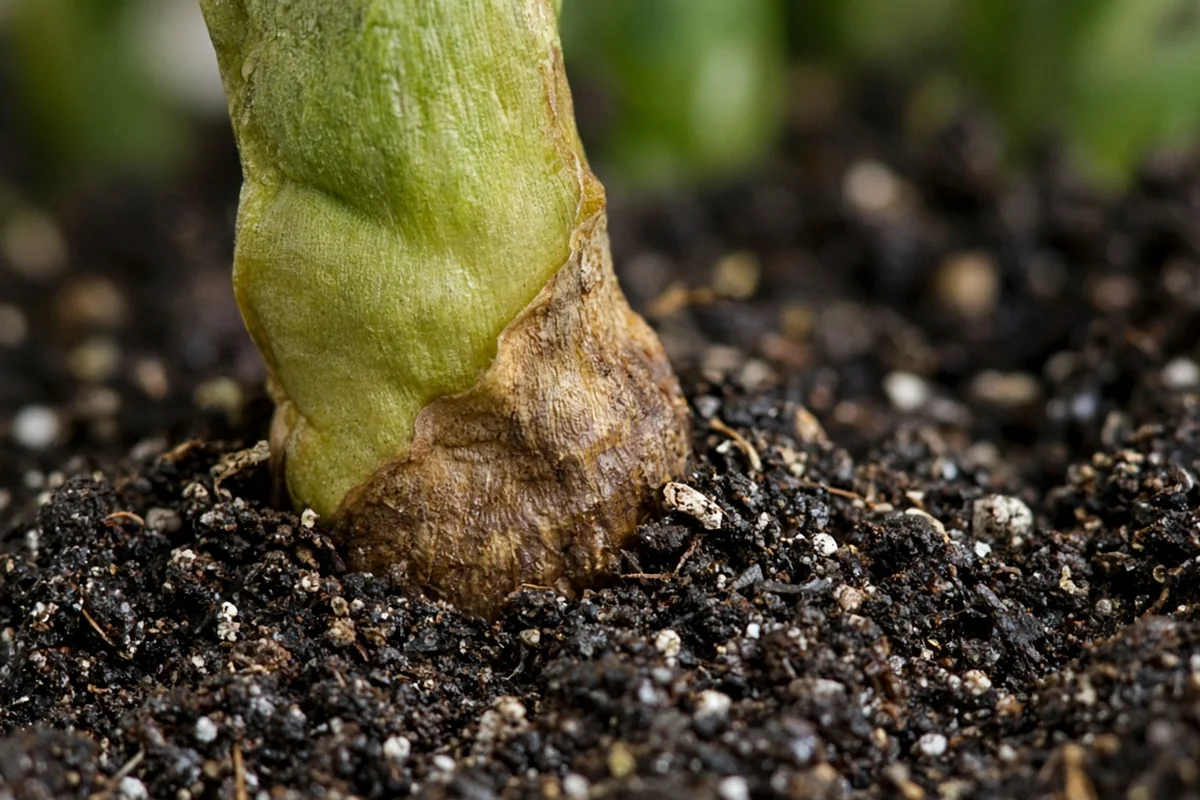
Virginia Cooperative Extension lists wilting, soft mushy leaves plus leaves falling off among signs of overwatering. It notes overwatering is about how often you water rather than how much. Leaves that bend at a soft base usually rest on roots that stayed wet too long.
| Sign | Likely cause | Fix |
|---|---|---|
| Soft mushy leaf base | Overwatering | Let the soil dry completely |
| Dark soft roots with odor | Root rot | Trim roots plus repot |
| Wilted leaves in wet soil | Too frequent watering | Water less often |
| Pot sits in water | Poor drainage | Empty the tray |
Source: Virginia Cooperative Extension plus Chicago Botanic Garden.
How do you check for root rot?
Chicago Botanic Garden advises removing the plant from its pot to look at the roots. It notes sound roots are firm plus white while rotten roots are soft, darkened plus often smell unpleasant. It advises repotting in a fresh soilless mix, then going back to normal care.
How much light does a snake plant need?
University of Illinois Extension notes snake plants grow in any light from dim interior to full sun. NC State Extension advises direct sun for only part of the day, 2 to 6 hours, though the plant tolerates very low light. A brighter spot helps new leaves grow upright.
How to: step by step
- Touch the soil plus the base of the leaves.
- Ease the plant out plus check the roots.
- Trim soft or dark roots plus collapsed leaves.
- Repot in fresh mix in a pot with holes.
- Water only when the soil is fully dry.
- Shift the pot to brighter light.
Troubleshooting
Soft mushy base: rot from overwatering. Trim plus repot in dry mix.
Smelly dark roots: root rot. Remove the soft roots.
Leaves sag in a dim corner: low light. Move it to a brighter spot.
For more on watering see overwatering cannabis prevention plus diagnosis, terracotta vs plastic pots for cannabis plus checking soil moisture by feel. Kind Seed Co also stocks cannabis seeds.
Sources
- Mother-in-law tongue, University of Illinois Extension
- Dracaena trifasciata (snake plant), NC State Extension Gardener Plant Toolbox
- Properly watering container houseplants (SPES-804), Virginia Cooperative Extension
- Overwatered houseplants, Chicago Botanic Garden
FAQ
Can floppy snake plant leaves stand up again?
A leaf that has gone soft at the base rarely firms up again. Remove collapsed leaves, then fix the cause. University of Illinois Extension advises letting the soil dry completely between waterings. NC State Extension notes direct sun for part of the day helps, so new leaves grow upright.
How often should a snake plant be watered?
University of Illinois Extension advises letting the soil dry completely between waterings. NC State Extension advises letting the soil dry between waterings from spring to autumn plus watering only every one to two months in winter. Feel the soil before each watering instead of using a set date.
Can I propagate a fallen leaf?
Sources listed here do not cover rooting a fallen snake plant leaf, so no method is given. If a leaf is firm plus green, you can help the plant by fixing water plus light. Remove soft or rotted leaves rather than trying to save them.
Does a snake plant need a big pot?
No. Virginia Cooperative Extension notes plants in large containers need water less often plus advises against moving a plant into a pot that is much too large. Extra soil holds water around the roots. Choose a pot only slightly larger, with drainage holes.
How should I water a snake plant in winter?
University of Illinois Extension advises watering in winter just enough to stop the foliage from shriveling. NC State Extension advises watering only every one to two months in winter. Growth slows in low light, so wet soil lingers. Let it dry fully before each drink.