
Snake Plant Root Rot: Signs Plus How to Save It
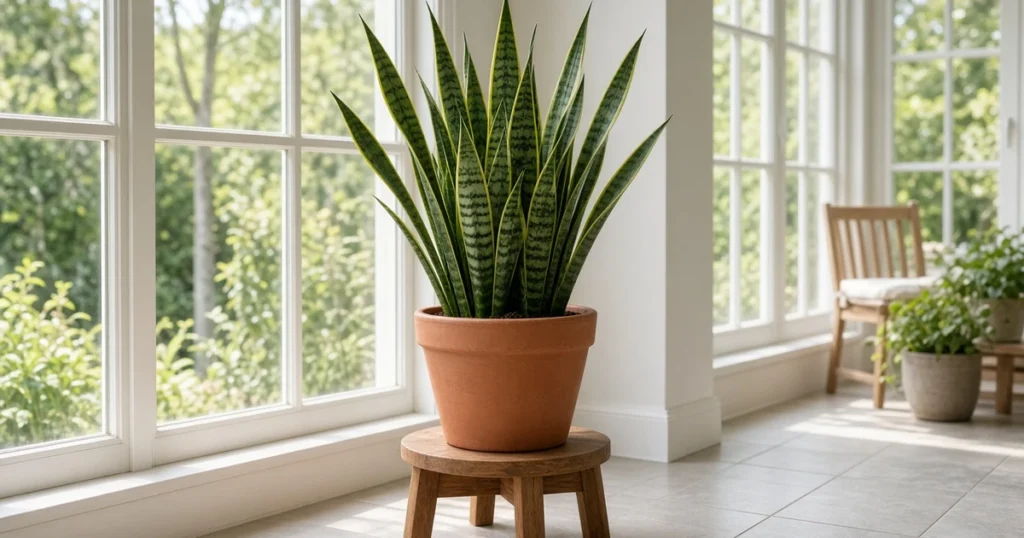
Snake plant root rot starts when soil stays wet too long plus shows as soft, mushy leaves that may drop. NC State Extension advises gardeners not to overwater this plant, as the roots will rot. Dry the plant out, repot in sharp draining mix plus save firm pieces if needed.
The short answer
Stop watering at the first sign of soft, mushy leaves, as Iowa State Extension advises. Let the soil dry thoroughly, then repot into sharp draining mix in a pot with a drainage hole. If the rot is advanced, save firm leaf sections plus discard the rest of the plant.
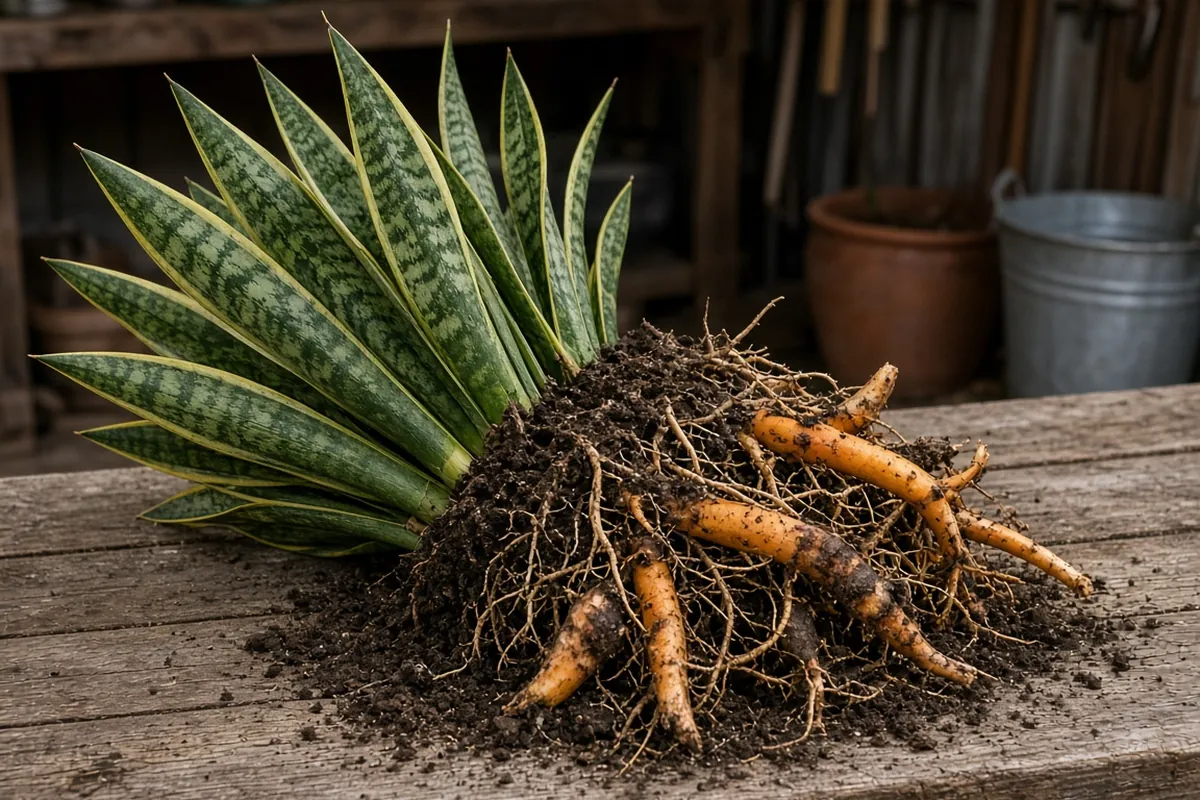
What are the signs of snake plant root rot?
Soft, mushy tissue. Iowa State Extension notes that succulents in wet conditions show yellowing leaves plus soft, mushy leaves plus stems. Over time, leaves drop off.
The soil gives clues too. It stays wet or damp to the touch, plus severe cases show mold or fungus gnats.
| Sign | Meaning | Action |
|---|---|---|
| Soft, mushy leaves | Overwatering | Stop watering plus let soil dry |
| Damp soil with mold or gnats | Soil stays too wet | Repot in sharp draining mix |
| Dropping or shriveled leaves | Roots have died | Save firm pieces or discard |
Source: Iowa State Extension plus NC State Extension.
Why does soggy soil cause rot?
Roots run out of air. Iowa State Extension explains that waterlogged soil holds less oxygen, so roots die. With fewer roots, the plant shows water stress by dropping leaves or shriveling.
Those symptoms are often confused with underwatering. More water then makes the problem worse.
Can the plant be saved?
Sometimes. Iowa State Extension notes that plants can recover from root rot when allowed to dry out. Other times the rot is too advanced, so discard the plant or propagate the sound segments.
NC State Extension lists division plus stem cuttings as ways to propagate snake plant.
How to: step by step
- Stop watering the moment you suspect rot.
- Unpot the plant plus inspect the roots.
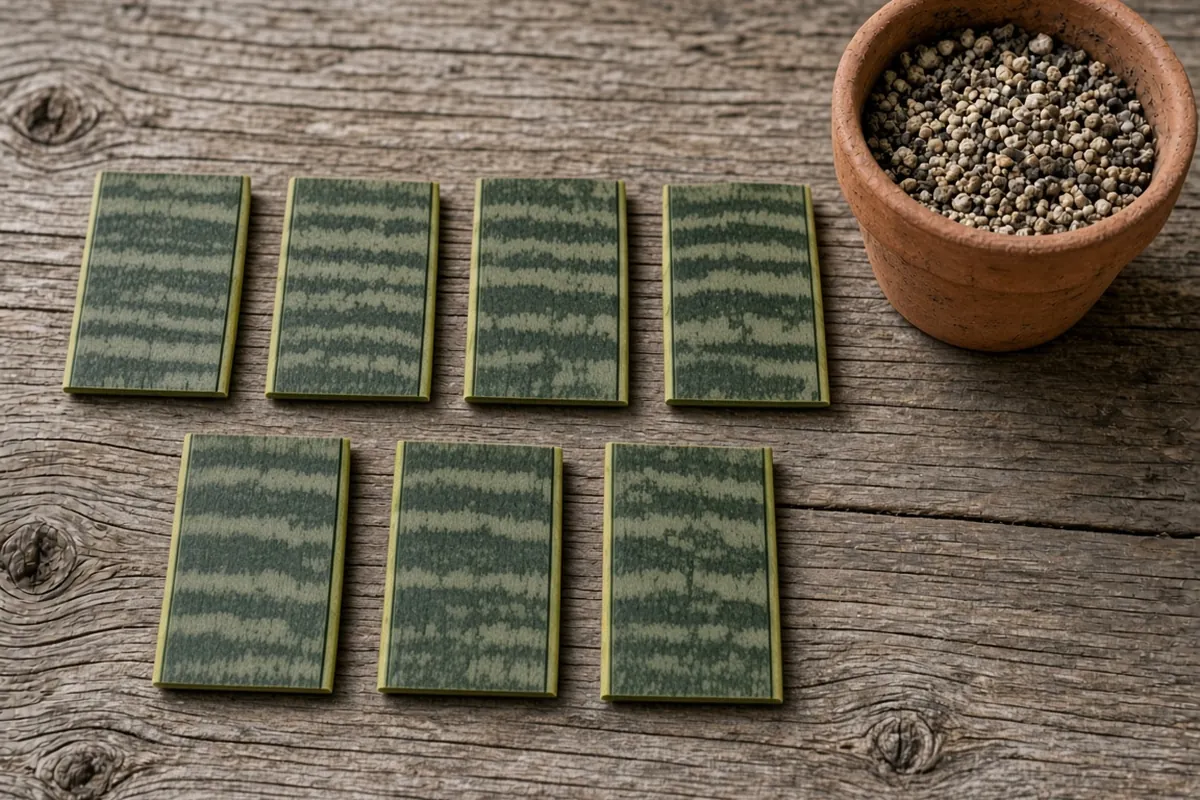
- Trim soft, rotted parts plus save firm sections.
- Repot in a sharp draining mix.
- Choose a pot with a drainage hole plus empty the saucer.
- Water only once the mix is dry two inches down.
Troubleshooting
Mushy leaf base: root rot. Remove rotted parts plus repot in dry, sharp draining mix.
Leaves falling over: rotted roots. Iowa State Extension notes that plants drop leaves when roots die, so save firm sections.
Soil that never dries: a mix too fine or organic. Iowa State Extension notes that such soil holds too much water.
For related reading see overwatering plus plant growth, pythium root rot plus terracotta vs plastic pots. Kind Seed Co also stocks cannabis seeds.
Sources
- Dracaena trifasciata, NC State Extension Plant Toolbox
- Common problems plus issues of succulents, Iowa State University Extension
- Watering houseplants, Illinois Extension
- Leaching salts from potting mixes, Colorado State University Extension
FAQ
How often should a snake plant be watered?
Not often. NC State Extension advises letting the soil dry between waterings from spring to autumn. In winter, water only every one to two months. Illinois Extension suggests checking the soil with a finger to two inches deep plus watering only if it feels dry.
Can a snake plant recover from root rot?
Sometimes. Iowa State Extension notes that plants can recover from root rot when allowed to dry out thoroughly. Other times the rot is so advanced that the plant cannot recover. In that case, discard the plant or propagate the firm, sound segments that remain.
What soil suits snake plants?
NC State Extension notes that well drained soil plus careful watering are a must. Iowa State Extension adds that soil too organic or fine textured holds too much water, so repot with sharp draining soil. A container with a drainage hole lets excess water drain freely after each watering.
How should a snake plant be propagated?
NC State Extension lists division plus stem cuttings as recommended ways to propagate snake plant. Iowa State Extension suggests propagating sound segments when root rot is too advanced to save the whole plant. Use a fresh, sharp draining mix so new pieces do not face the same wet conditions.
Should water sit in the saucer?
No. Colorado State University Extension advises watering houseplants thoroughly so water drains from the bottom of the pot, then discarding the water that drains out. Do not let the plant stand in water. Iowa State Extension also advises that trays or sleeves are not left full of water.



