Squash vs Pumpkin: What Is the Difference?
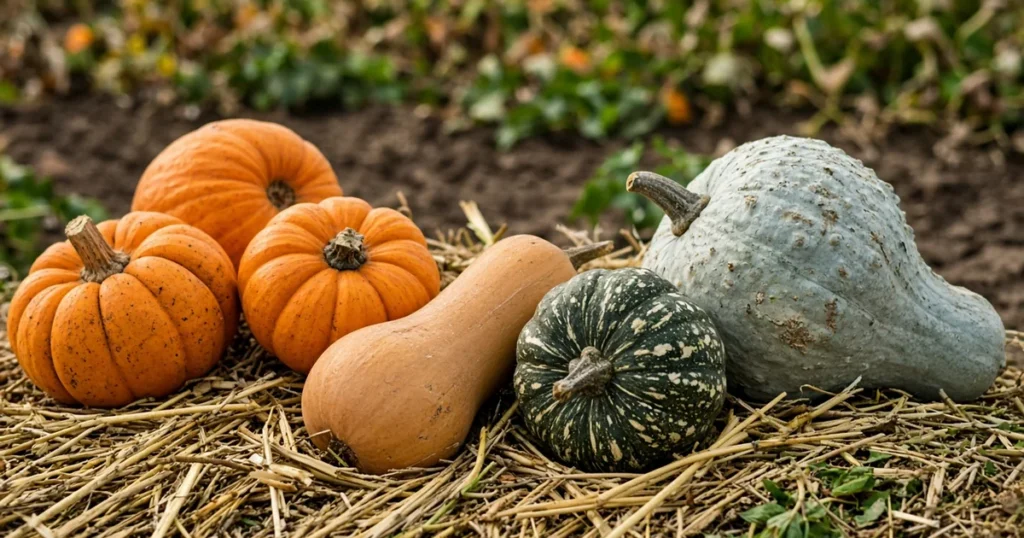
The squash vs pumpkin question has a short answer: every pumpkin is a squash. University of Illinois Extension notes varieties of four Cucurbita species are called pumpkins or squash more by tradition than by system. Orange color often decides the name. Summer squash is picked young, while pumpkins plus winter squash ripen with hard rinds.
The short answer
Pumpkins are squash. University of Illinois Extension notes that varieties of the four main Cucurbita species are called pumpkins or squash more by tradition than by system, with orange color often deciding the name. Summer squash is picked young before the skin hardens. Pumpkins plus winter squash are left to mature until the rind is hard.
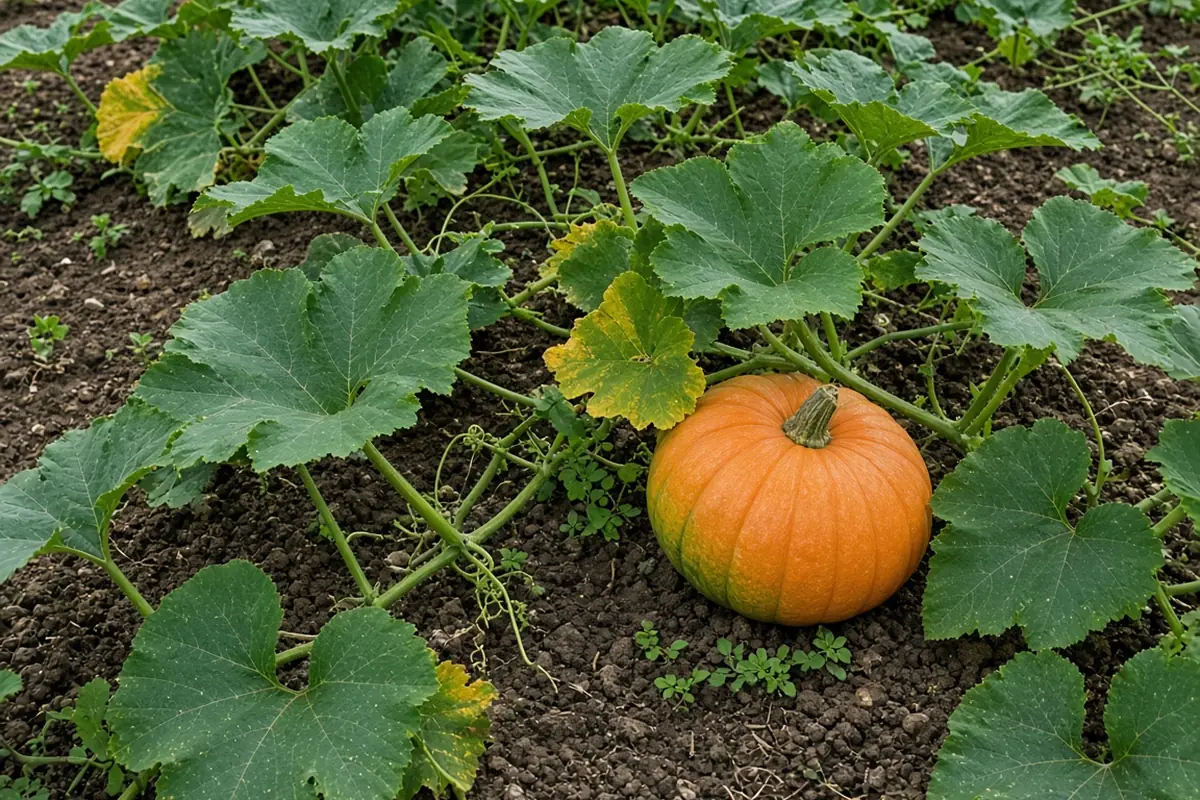
Is a pumpkin a squash?
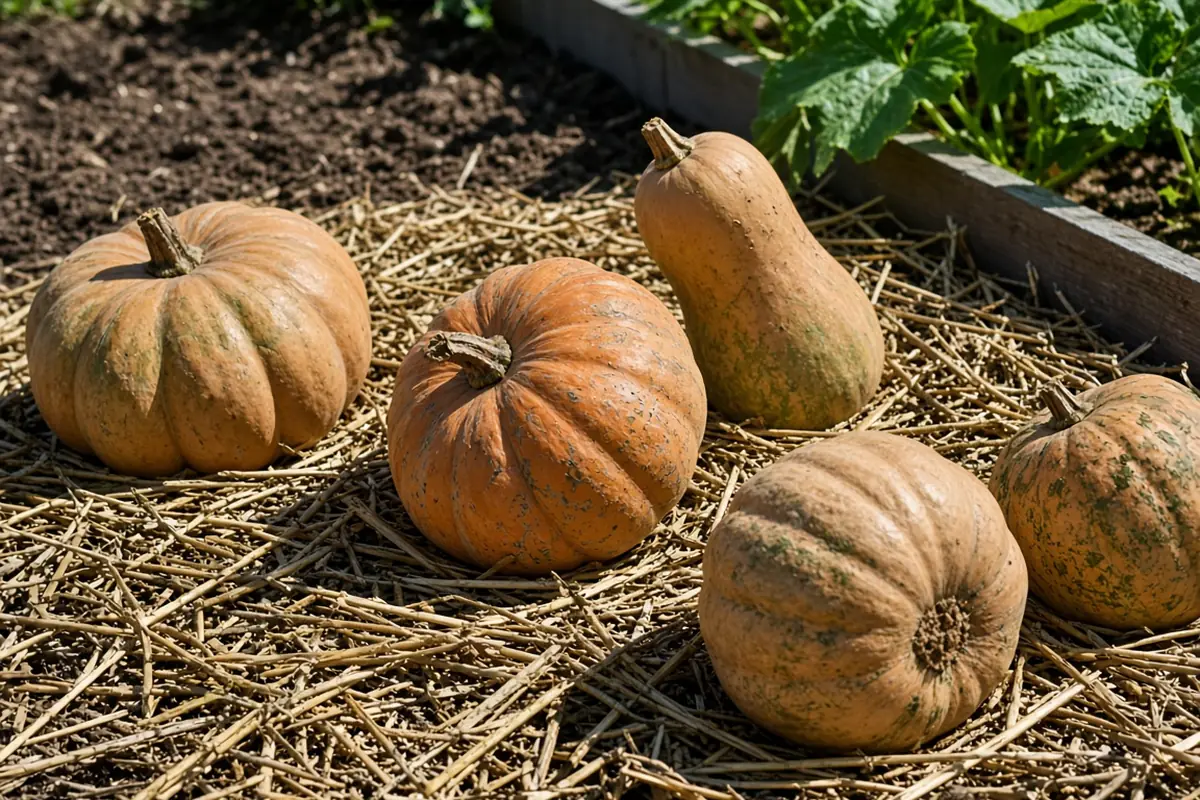
Yes. University of Illinois Extension notes pumpkins, squash plus gourds are all cucurbits in the genus Cucurbita. Two record varieties of C. maxima show the point: the one called squash is gray to green, the one called pumpkin is pinkish to orange, yet the two freely cross plus are botanically almost identical.
| Trait | Summer squash | Pumpkin plus winter squash |
|---|---|---|
| Genus | Cucurbita | Cucurbita |
| Example species | C. pepo (zucchini) | C. pepo plus C. maxima |
| Picked when | Young, before skin hardens | Deep solid color plus hard rind |
| Rind | Soft | Hard |
| Storage | Up to four days in a refrigerator | 50 to 55 F in a dry building |
Source: University of Illinois Extension plus University of Minnesota Extension.
Which Cucurbita species include pumpkins?
University of Illinois Extension notes four main Cucurbita species make up the pumpkin, squash plus gourd group. NC State Extension lists Cucurbita pepo as including zucchini, acorn squash, spaghetti squash plus pumpkin. It lists Cucurbita maxima as including buttercup squash, Hubbard squash plus pumpkin, a vine native to South America whose name means largest.
How do summer and winter squash differ?
University of Minnesota Extension advises picking summer squash at the size you prefer but before it is over large with hard skins. It lasts up to four days in a refrigerator. University of Illinois Extension notes pumpkins are ready when they are a deep, solid color plus the rind is hard. They store in a dry building at 50 to 55 F.
How to: step by step
- Check the species on the seed packet.
- Sow after all danger of frost once the soil warms.
- Allow vining pumpkins 50 to 100 square feet per hill.
- Harvest summer squash young, before the skin hardens.
- Pick pumpkins at a deep solid color with a hard rind.
- Cut pumpkins with 3 to 4 inches of stem plus store them dry at 50 to 55 F.
Troubleshooting
Wrong spacing: plant size differs. University of Illinois Extension lists 5 to 6 feet between pumpkin hills for vining types plus 4 feet for semi bush types.
Fruit rots in storage: immature, injured or frosted fruit. University of Illinois Extension notes these store poorly, so harvest ripe fruit before heavy frost.
Missing stems: stems broke off. Cut with pruning shears or a sharp knife, leaving 3 to 4 inches of stem.
For related reading see cannabis leaf anatomy, companion plants when growing marijuana plus when to harvest outdoor cannabis. Kind Seed Co also stocks cannabis seeds.
Sources
- Cucurbita pepo, NC State Extension Gardener Plant Toolbox
- Cucurbita maxima, NC State Extension Gardener Plant Toolbox
- Pumpkins, UF/IFAS Gardening Solutions
- Growing pumpkins, University of Illinois Extension
- Growing summer squash plus zucchini in home gardens, University of Minnesota Extension
FAQ
Can pumpkins and squash cross?
Only within one species. University of Illinois Extension notes zucchini crosses with acorn squash plus some field pumpkins because all are C. pepo. Butternut squash plus Big Max pumpkin come from different species plus do not cross. Crossing never changes the current fruit. It shows up only when saved seed is sown the next year.
How long do pumpkins take to grow?
UF/IFAS notes pumpkins take about four months, so Florida gardeners plant by early July for Halloween. It notes Seminole pumpkins can be harvested in 120 to 150 days. University of Illinois Extension suggests planting from late May in the north to early July in the far south, since early fruit may soften.
How should pumpkins be stored?
University of Illinois Extension suggests cutting pumpkins from the vine with pruning shears or a sharp knife plus leaving 3 to 4 inches of stem, since fruit without stems stores poorly. Store them in a dry building at 50 to 55 F. UF/IFAS notes Seminole pumpkins store in a cool, dry place for up to a year.
When are pumpkins ready to harvest?
University of Illinois Extension notes pumpkins can be harvested when they are a deep, solid color, orange for most varieties, plus the rind is hard. If vines stay green, harvest in late September or early October before heavy frost. If vines die early, harvest the mature fruit plus store it somewhere moderately warm plus dry.
How much room do pumpkin vines need?
University of Illinois Extension notes vining pumpkins need 50 to 100 square feet per hill, with 5 to 6 feet between hills plus 10 to 15 feet between rows. Semi bush types need 4 feet between hills. UF/IFAS notes Seminole pumpkin vines can grow up to 25 feet, so leave them room to spread.