Stabilizing a cannabis strain
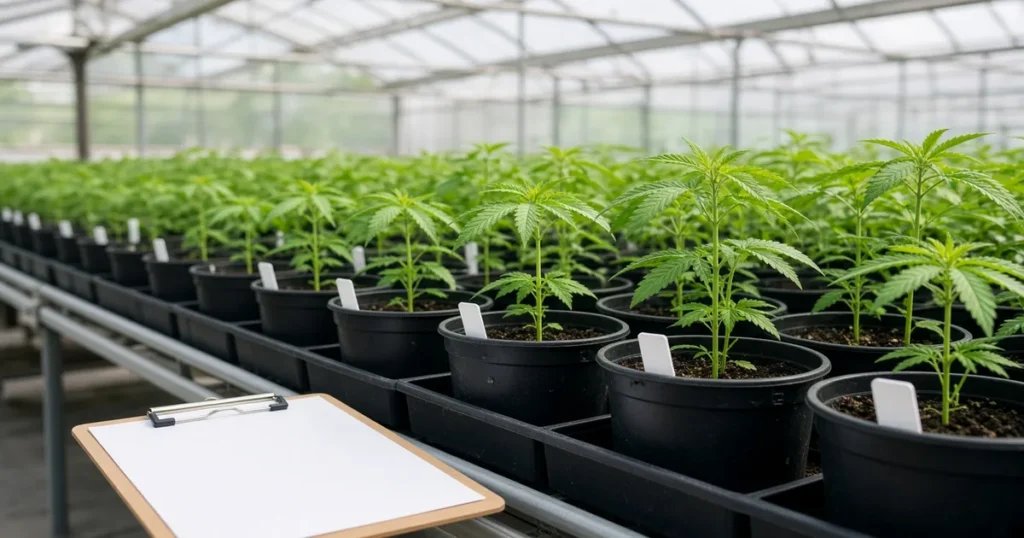
When growers say a strain is stable, they mean seeds from it grow into plants that look, smell and behave much alike. Getting there takes time. Breeders cross plants, grow out the offspring, select the best and repeat over several generations. This guide explains what stability means, the main methods breeders use and why it matters for home growers buying seeds. It is for adults 21 and older and is educational, since breeding is only legal where home cultivation and seed making are allowed.
What stability means
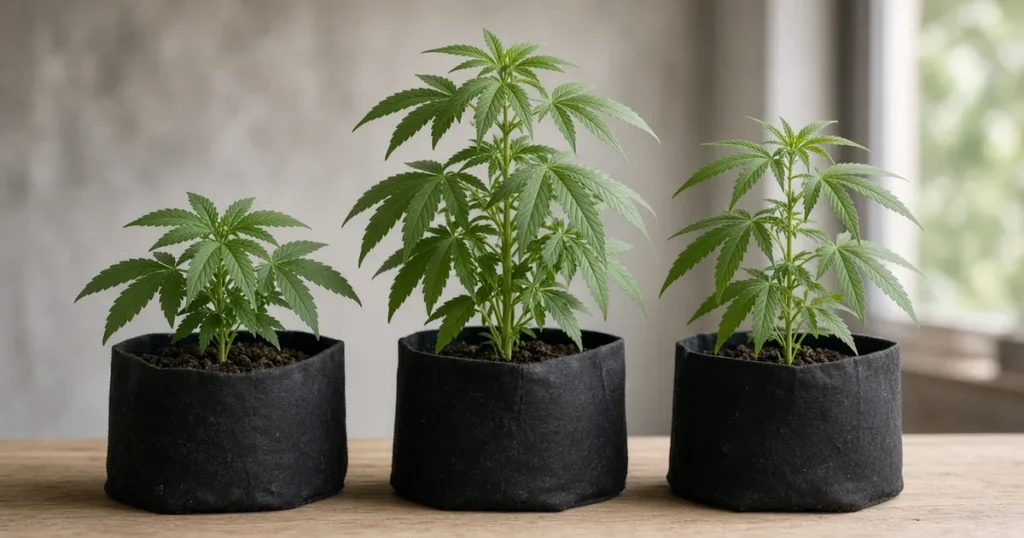
A brand new cross often produces varied offspring. One plant may be tall and stretchy, another short and bushy, and each may smell different. These differences are called phenotypes. A stable line has fewer surprises. Most plants from the same pack share height, structure, flowering time and aroma.
Stability is never total. Even well known lines show some variation. The goal is consistency good enough that a grower knows what to expect.
The language of generations
| Term | What it means |
|---|---|
| F1 | The first generation from crossing two different parents |
| F2 | Offspring from crossing two F1 plants, often very varied |
| F3 and beyond | Later generations after more rounds of selection |
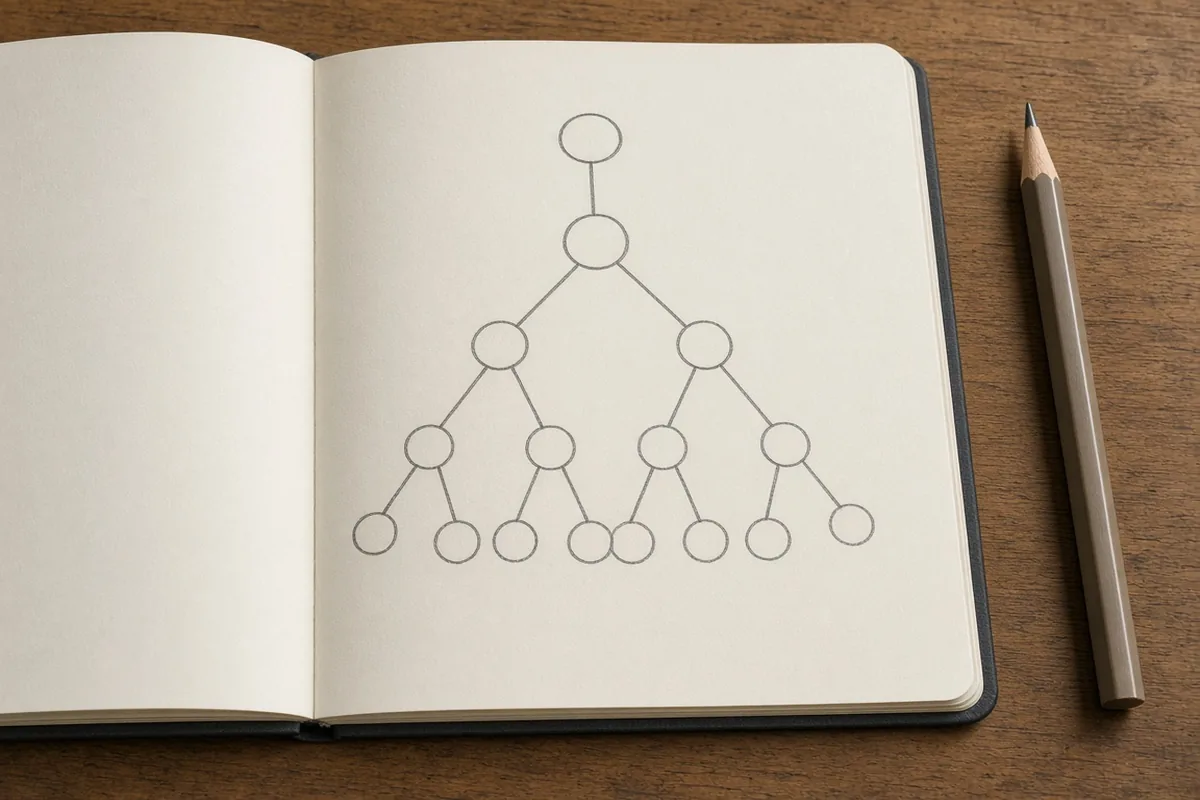
| Backcross, or BX | Crossing offspring back to one parent to strengthen its traits |
| IBL | Inbred line, a line bred within itself for many generations |
Method one, line breeding
Line breeding is the classic method. A breeder grows a large number of plants from one generation, picks the best male and best female and crosses them. Then they grow the next generation and repeat. Each round narrows the variation. Many breeders work through five or more generations before calling a line stable.
The key is population size. Growing only a few plants makes it hard to find the best ones and can lead to weak offspring. Professional breeders often grow dozens or hundreds of plants per generation.
Method two, backcrossing
Backcrossing means crossing offspring back to a favorite parent. If a breeder loves the aroma of one mother plant, they cross her offspring back to her, often more than once, to make that trait more common. Backcrossing is quick at locking in traits from a single plant but can reduce vigor if done too many times.
Method three, feminized lines
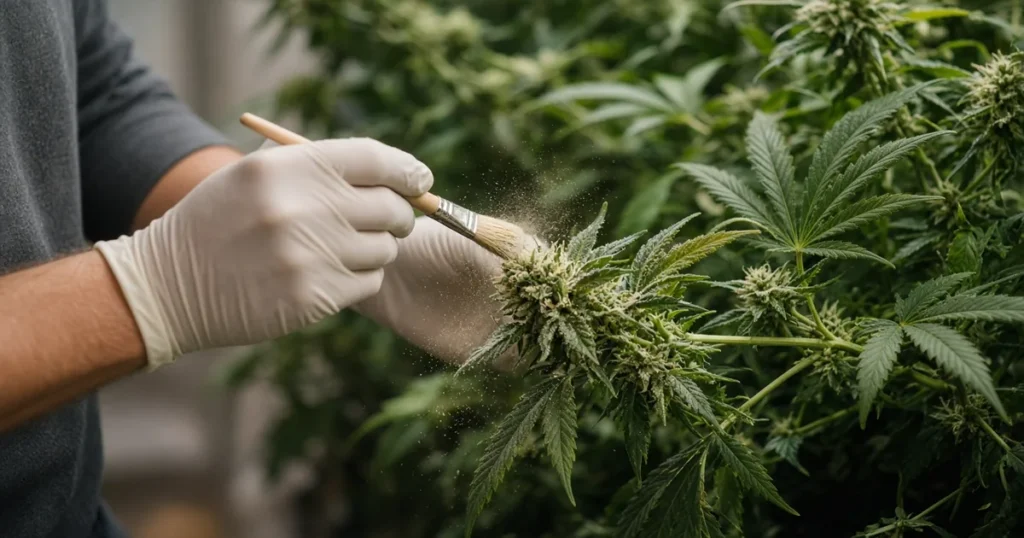
Many modern seeds are feminized. Breeders reverse a selected female to make pollen and cross it to another female or to itself. Stabilizing feminized lines follows the same idea of selection over generations, with care to avoid plants that tend to produce male flowers under stress.
What breeders select for
Breeders watch many traits at once.
- Vigor and healthy growth.
- Structure that suits indoor or outdoor growing.
- Flowering time.
- Aroma and flavor.
- Resistance to mold, mildew and pests.
- Stability under stress, without male flowers.
- Yield potential and ease of trimming.
Good notes are essential. Breeders label every plant and record what they see from seedling to cure.
Why stability matters to you
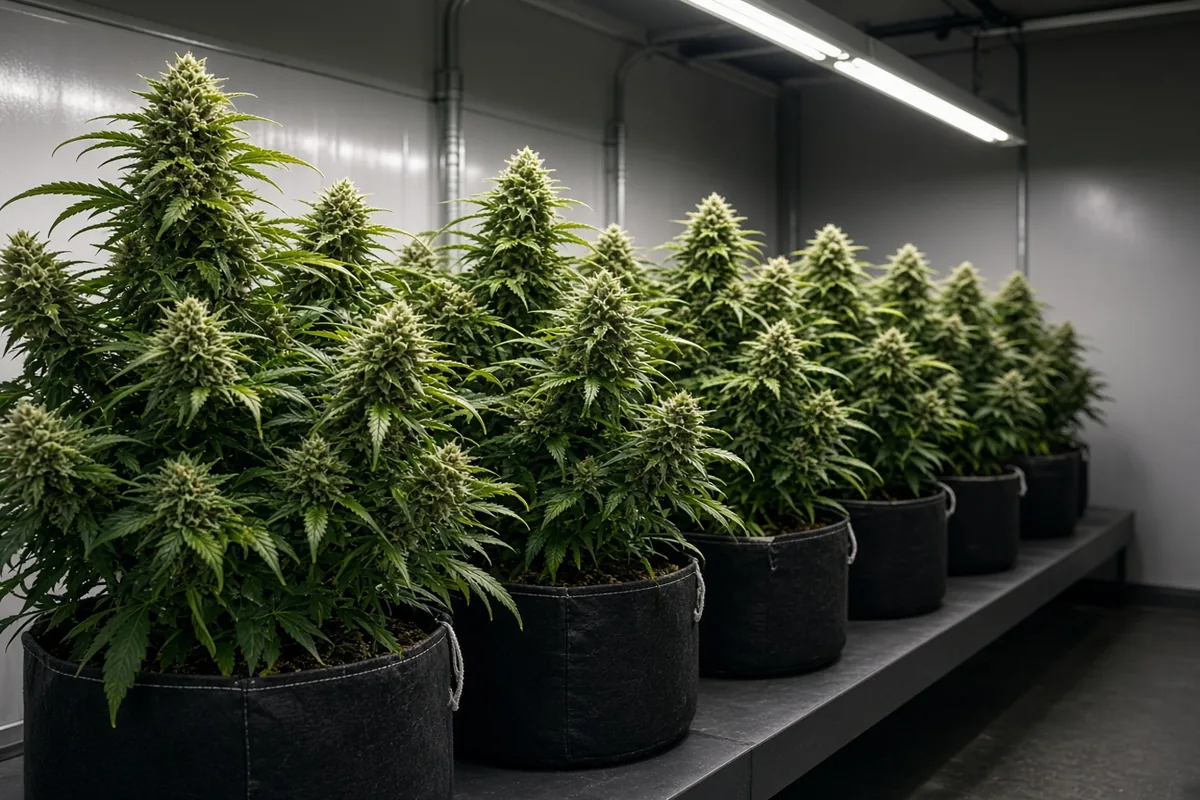
When you buy seeds from a well bred line, you get more predictable results. Plants finish at similar times, which makes harvest easier. Their height is similar, which helps in a tent. Aroma and effect are closer to what the breeder described. A less stable pack can still be fun to grow, especially if you like hunting for a standout plant, but it is less predictable.
Signs of a stable line
When you grow a pack, look for these signs.
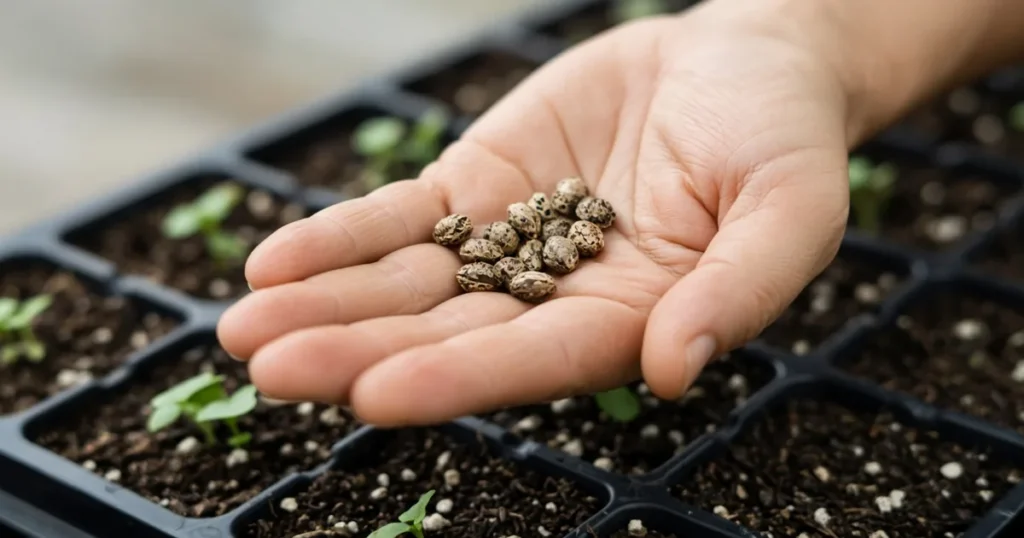
- Seeds sprout at similar rates.
- Seedlings grow at a similar pace.
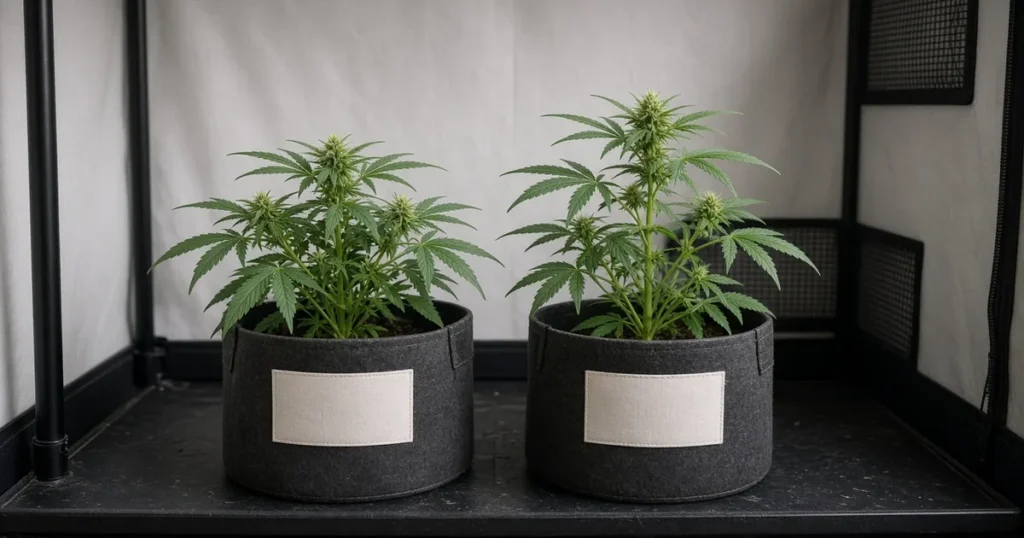
- Plants reach a similar height and shape.
- Flowering times are close together.
- Aroma is similar from plant to plant.
If one plant stands out wildly from the rest, note it. It may be a rare phenotype worth keeping as a clone.
Can a home grower stabilize a strain
It is possible but takes space, time and patience. Small scale stabilizing is hard because you cannot grow many plants under most state limits. A home grower can still make simple crosses, select a favorite and keep it alive as a mother plant. Keeping a clone of a great plant is often a more practical way to hold onto its traits than a full breeding project.
Legal note on seed making
Making seeds is part of home cultivation and falls under the same state plant limits. Do not sell or ship seeds you make at home. Read the federal seed note below, since the rules change on December 11, 2026.
Keeping a mother plant
For many home growers the most practical way to preserve a great plant is to keep it as a mother and take cuttings. A mother plant stays in the vegetative stage under long days, often eighteen hours of light. Cuttings from it grow into genetic copies, so every clone shares the same traits. This skips the long work of breeding and keeps your favorite exactly as it is. Note that mother plants usually count toward state plant limits.
Selecting a keeper
If you grow a pack of seeds and want to find a keeper, take a cutting from each plant before flowering and label it. Flower the plants, compare the results and keep the clone of the best one. Look at vigor, structure, aroma, mold resistance and how well the plant handled stress. Then retire the other clones.
Patience and population
The biggest limits on breeding are space and time. Each generation takes several months. Larger populations make better selections possible. That is why most stable lines come from breeders who have spent years working on them. Respecting that effort is a good reason to buy seeds from reputable sources.
Inbreeding depression
Breeding too closely for too long can weaken a line. Plants may grow slower, show odd growth or be less resistant to problems. Breeders guard against this by keeping populations large enough, selecting for vigor and sometimes bringing in a new, related parent to restore health. Stability is useful, but not at the cost of plant health.
Grow legally and responsibly
Home cultivation is only legal in some states, and each state sets its own plant limits, locking rules and rules about whether plants can be visible from a public place. You must be 21 or older to buy seeds from Kind Seed Co, and you should grow only where your state and city allow it. Check your state rules in our guide to the legal requirements for growing weed plants in your state before you plant. Federal treatment of cannabis seeds is also changing, so read our December 11 2026 seed rule explainer before you order. Keep plants and harvested flower locked away from children, pets and visitors, and never drive after using cannabis. This article is general information. It is not legal advice and it is not medical advice.
Frequently asked questions
What does a stable strain mean?
Seeds from it grow into plants that are similar in height, structure, flowering time and aroma.
How many generations does it take to stabilize a strain?
Often five or more generations of selection, though it varies with the goals and population size.
What is a backcross?
Crossing offspring back to one parent to make that parent’s traits more common.
Can I stabilize a strain at home?
It is possible but hard within most state plant limits. Keeping a clone of a favorite plant is often more practical.
Final thoughts
Stabilizing a strain means selecting and crossing over several generations until seeds grow consistent plants. Line breeding, backcrossing and careful selection are the main tools. For most home growers, buying seeds from well bred lines is the easiest path to predictable results.
Ready to start
Browse the full range in the Kind Seed Co shop or go straight to marijuana seeds. Kind Seed Co sells only to adults 21 and older. Always follow the cannabis laws where you live.