Thyme Dying in Center: Old Woody Crowns plus Wet Soil
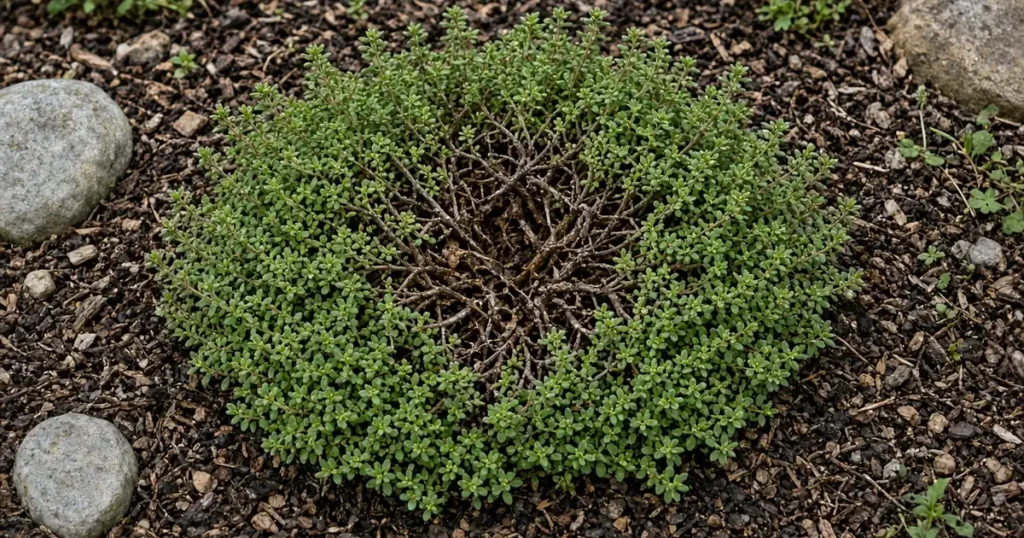
Thyme dying in center often means the plant has grown old plus woody, or the crown sits in wet soil. NC State Extension describes common thyme as a woody perennial that needs good drainage, while UF/IFAS Extension notes it does well in full sun plus tolerates drought.
The short answer
Thyme dying in center usually comes from woody old growth or wet soil. NC State advises trimming thyme whenever it gets leggy plus cutting back in early spring plus summer to reduce woody growth. Plant in well drained soil in full sun. Root vigorous outer stems by cuttings or layering to start fresh plants.
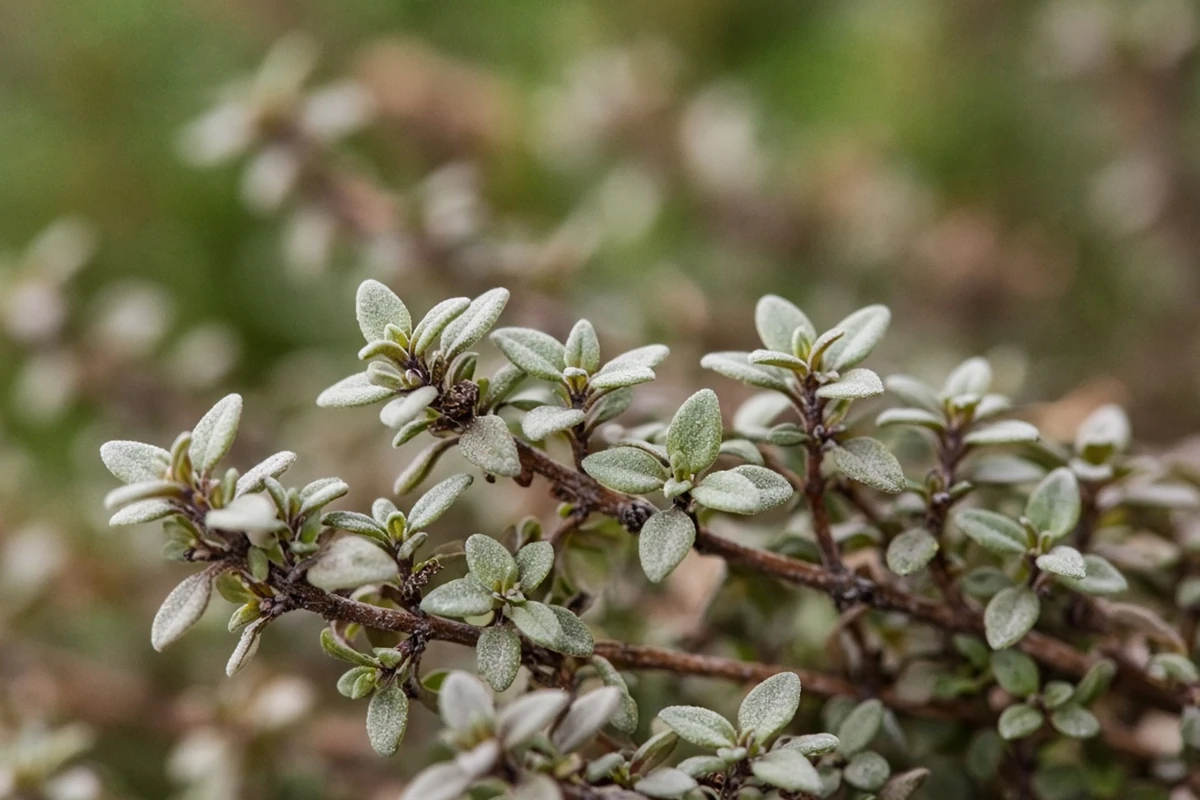
Why is my thyme dead in the middle?
NC State describes common thyme as a woody, broadleaf evergreen that forms a mound 6 to 12 inches high. Over time the center turns to bare wood. NC State notes it needs good drainage, so wet soil around the crown adds to the problem.
| Sign | Cause | Fix |
|---|---|---|
| Bare woody center | Old woody growth | Trim in early spring plus summer |
| Soft center after rain | Poor drainage | Move to dry, sandy or rocky soil |
| Thin growth all over | Low light | Move to full sun |
| Soil that stays wet in a pot | Container too large | Use a smaller pot with drainage holes |
Source: NC State Extension, UF/IFAS plus Iowa State Extension.
Can woody thyme be cut back?
NC State advises cutting thyme back in early spring plus summer to reduce woody growth. When harvesting, it advises cutting five to six inches off the top growth, leaving the woody stems plus at least five inches of growth.
How do you start new thyme plants?
NC State lists stem cuttings, layering plus division as the preferred ways to propagate common thyme. It notes seed germinates unevenly. Transplanting or dividing goes well in early spring.
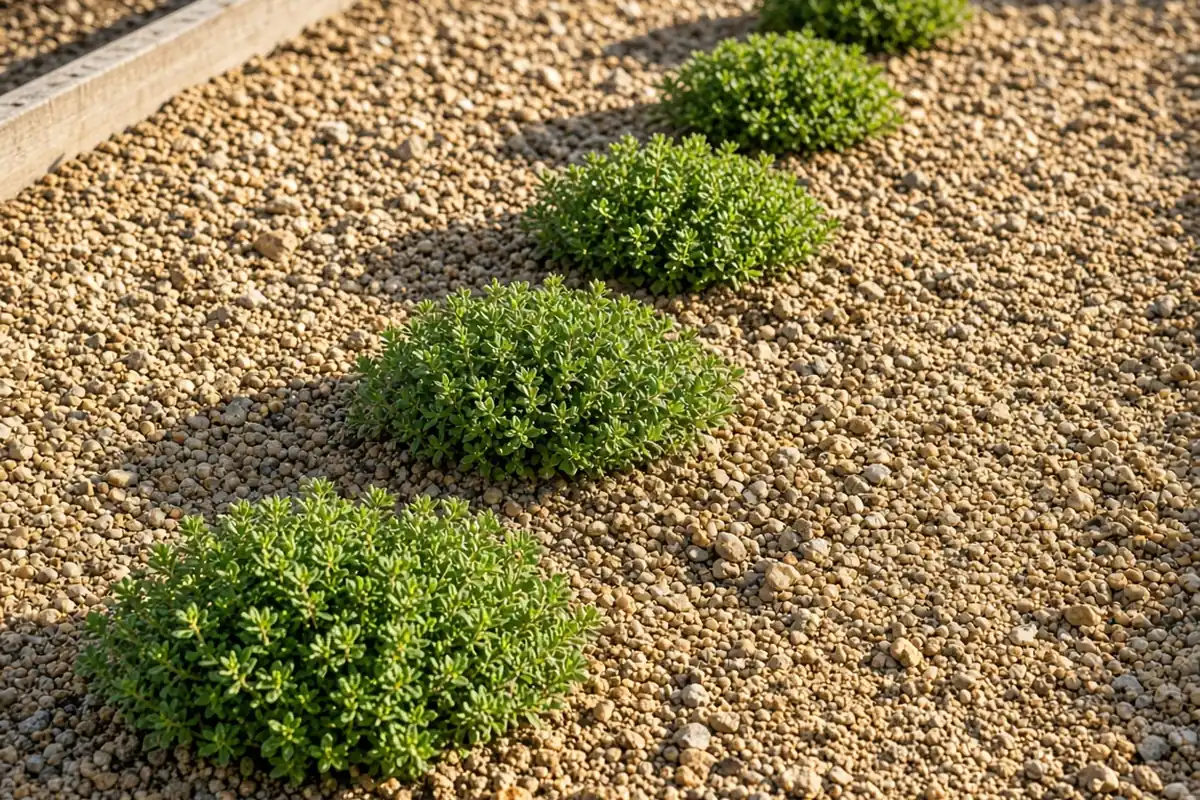
How to: step by step
- Check how old plus woody the plant looks.
- Feel the soil around the crown for wetness.
- Trim lightly in early spring after new growth starts.
- Leave at least five inches of growth.
- Root vigorous outer stems for new plants.
- Replant in well drained soil in full sun.
Troubleshooting
Bare woody center: old plant. Root outer stems by layering plus replace the old crown.
Soft center after wet weather: NC State notes thyme needs good drainage. Raise the bed or add grit.
Thin growth all over: Iowa State notes light limits herbs indoors. Move the plant to full sun.
For plant stress see the effects of environmental stresses on weed plants, the guide to overwatering and cannabis growth plus companion plants when growing marijuana. Kind Seed Co also stocks cannabis seeds.
Sources
- Thyme, UF/IFAS Gardening Solutions
- Thymus vulgaris (common thyme), NC State Extension Gardener Plant Toolbox
- Growing herbs in containers 101, University of Georgia Extension, Fulton County
- Growing herbs indoors, Iowa State University Extension and Outreach
FAQ
Can thyme grow back from woody stems?
Old bare wood rarely sprouts well. NC State advises leaving at least five inches of growth when cutting plus trimming regularly to reduce woody growth. If the center has gone bare, root vigorous outer stems by layering or cuttings plus use those new plants to replace the old crown.
When should thyme be pruned?
NC State advises cutting common thyme back in early spring plus summer to reduce woody growth. It also suggests trimming whenever the plant gets leggy. For harvest, cut just before flowering when leaf oils peak, taking five to six inches off the top plus leaving woody stems.
Does thyme need fertilizer?
Very little. Iowa State notes herbs need less fertilizer than other container plants, though periodic light feeding at a half or quarter dose helps from early spring through summer. NC State notes common thyme does well in dry, sandy or rocky soil, so rich soil plus heavy feeding is not needed.
Can thyme be divided?
Yes. NC State lists division along with stem cuttings plus layering as ways to propagate common thyme. It advises transplanting or dividing in early spring. Lift the clump, cut away the dead woody center plus replant the vigorous outer pieces in well drained soil in a sunny spot.
How much sun does thyme need?
Full sun. UF/IFAS notes thyme does well in full sun plus tolerates drought. Iowa State notes most herbs want eight or more hours of direct light a day, while some tolerate as little as six. Thin, stretched growth points to too little light plus a weak center.