Tomatillos Empty Husks? Why You Need Two Plants
The short answer
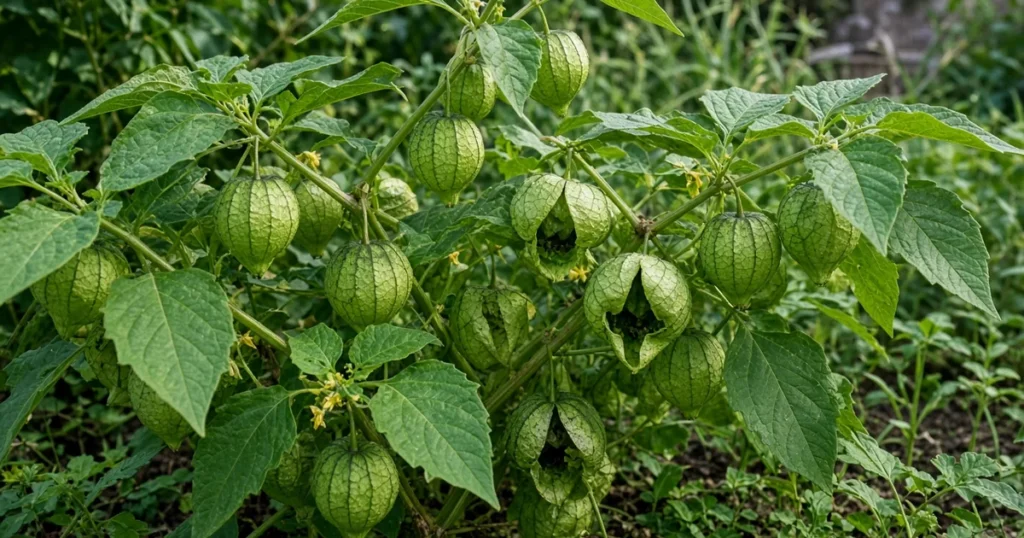
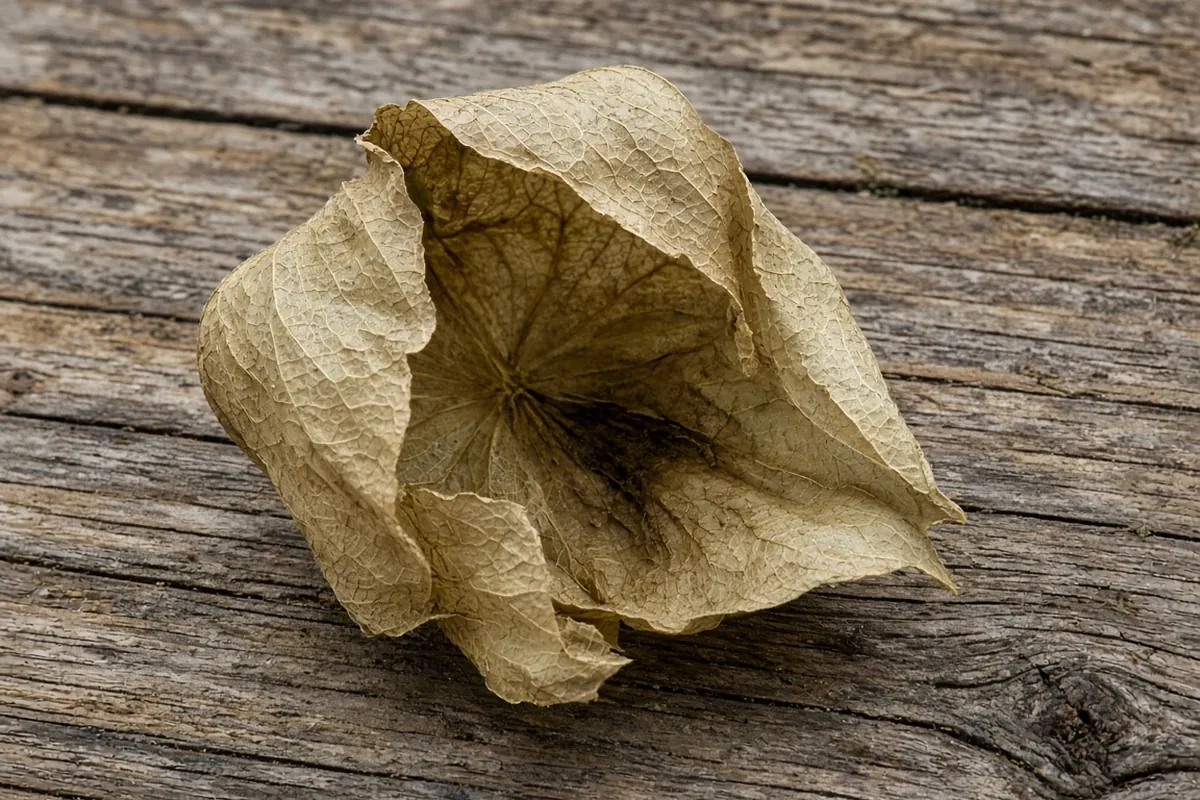
Tomatillos empty husks usually mean the flowers were not pollinated. Utah State Extension says tomatillos are not self fruitful, so you should always plant at least two. Kansas State Extension notes unfilled husks may mean a lack of pollination. Plant two or more, invite bees and ease up on nitrogen.
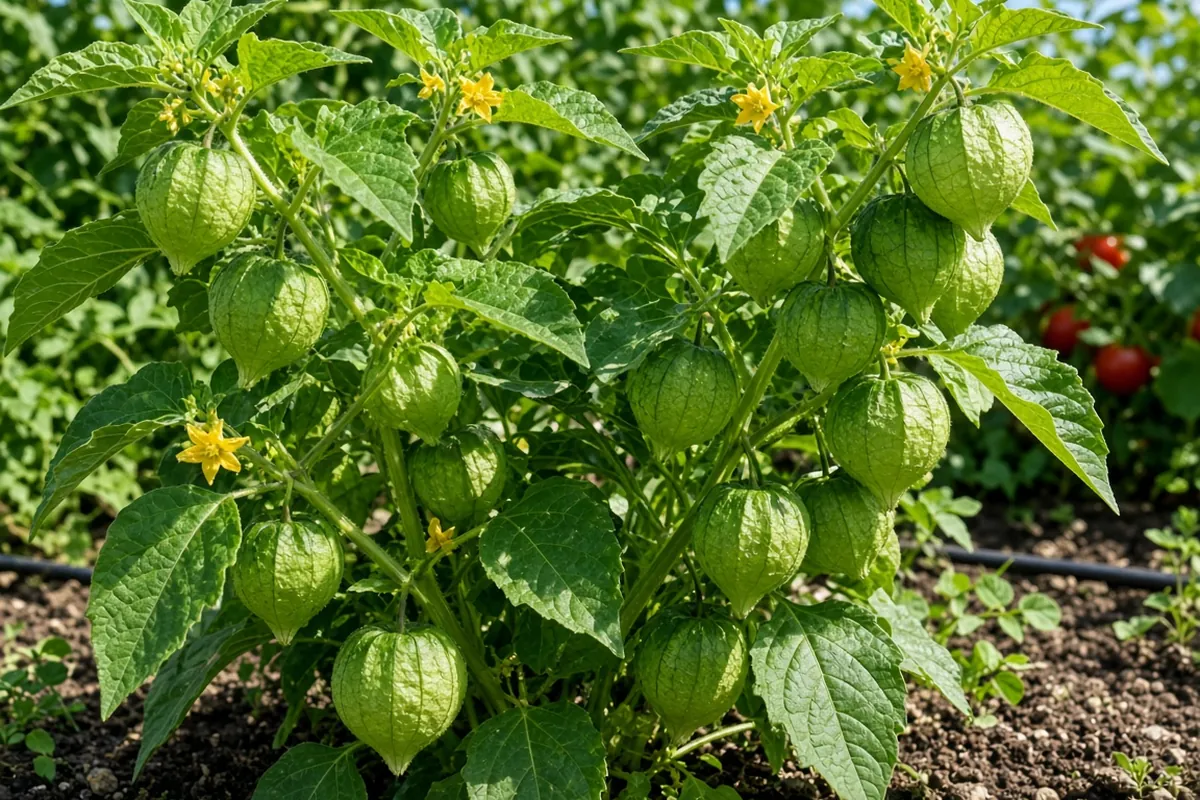
Why are my tomatillo husks empty?
Kansas State Extension says tomatillos do not self pollinate well and unfilled husks may mean a lack of pollination. It names excess nitrogen and poor cross pollination as causes of weak fruit set. Stress factors are covered in the effects of environmental stresses on weed plants.
Why do tomatillos need two plants?
Utah State Extension says they aren’t self fruitful, so plant at least two, the same or different varieties. NC State Extension notes more than one plant improves fruit set and the flowers attract bees. Read about bees in what roles do bees play in outdoor cannabis.
How does weather affect fruit set?
Kansas State Extension notes growth is poor below 60°F. Utah State Extension advises venting row covers above 80°F to avoid damage to flowers and setting fruit. Flowers nearby help bring in bees, as shown in companion plants when growing marijuana.
Tomatillo basics
| Factor | Guide | Source |
|---|---|---|
| Plants | At least two | Utah State |
| Harvest | 60 to 75 days from transplant | Utah State |
| Ripe | Firm and filling the husk | Utah State |
| Yield | 2 to 3 pounds per plant | NC State |
| Fruit size | About 3 inches wide | UF IFAS |
| Storage | Up to 3 weeks in the fridge | Kansas State |
Sources: Utah State University Extension, NC State Extension, Kansas State Research and Extension, UF IFAS Gardening Solutions.
How to: step by step
- Plant at least two tomatillo plants.
- Set plants close enough for bees to visit both.
- Grow flowers nearby to bring in pollinators.
- Go easy on nitrogen fertilizer.
- Watch husks fill as fruit swells.
- Pick when fruit fills the husk and is still firm.
Troubleshooting
Empty husks: one plant only, so add a second.
Few fruit under covers: heat. Vent above 80°F.
Lush leaves, little fruit: excess nitrogen, per Kansas State. Feed less.
Tomatillos are easy with a partner. Kind Seed Co shares more vegetable notes on the blog.
Sources
- Tomatillos in the garden, Utah State University Extension
- Tomatillos, UF IFAS Gardening Solutions
- Physalis philadelphica (tomatillo), NC State Extension Gardener Plant Toolbox
- Tomatillo, K-State Research and Extension, Butler County
FAQ
Can one tomatillo plant make fruit?
Rarely well. Utah State Extension says tomatillos are not self fruitful, so you should plant at least two plants of the same or different varieties. NC State Extension notes they are not great at self pollinating.
When are tomatillos ripe?
Utah State Extension says fruit is ripe when firm and filling the husk, and yellow fruit is overripe. Kansas State Extension advises harvesting when fruit fills the husk but is still firm. Harvest starts about 60 to 75 days from transplanting.
Do tomatillos need bees?
They need cross pollination between plants. NC State Extension notes tomatillo flowers attract bees, and Kansas State Extension links poor fruit set to a lack of cross pollination. More plants and visiting bees mean better set.
Can you hand pollinate tomatillos?
The Extension sources do not cover hand pollination. They focus on planting at least two plants, per Utah State, so cross pollination can happen. Start there before trying anything else.
How do you store tomatillos?
Kansas State Extension suggests storing fruit in the husk in a paper bag in the refrigerator for up to 3 weeks. Harvest when fruit fills the husk and is still firm.