
What Is a Heel Cutting? Taking Cuttings With a Strip of Bark
The short answer
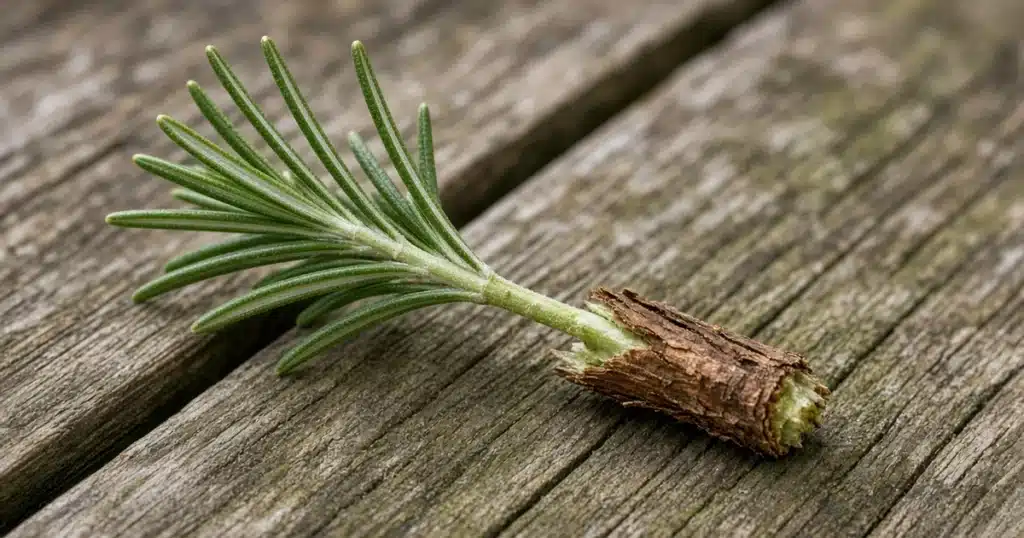
A heel cutting is a side shoot pulled from a main stem so a small strip of older wood, the heel, comes with it. Florida Extension notes heel cuttings can root well for some woody plants. Trim long bark tails, dip the base in rooting hormone if desired and cover the cutting to hold humidity.
Most stem cuttings are made with a clean cut below a node. A heel cutting takes a different approach. You tear the shoot away so it carries a bit of the parent stem.
What is a heel cutting?
The heel is a sliver of older bark and wood from the main branch. It stays attached to the base of the side shoot when you pull it off.
That older tissue often helps support root formation. For some plants, the heel helps rooting compared with a plain cut.
The UF/IFAS plant propagation page on heel cuttings describes the heel as a small piece of older wood at the base of the cutting. It notes this method suits plants that root slowly from younger wood.
Heel cuttings usually come from semi hardwood or hardwood shoots, since softwood tears too easily.
Which plants suit heel cuttings?
Heel cuttings are popular for many evergreens and woody shrubs.
| Plant group | Examples | Typical timing |
|---|---|---|
| Needle evergreens | Juniper, yew, arborvitae | Late summer to fall |
| Broadleaf evergreens | Holly, boxwood, camellia | Late summer |
| Herbs with woody stems | Rosemary, lavender, sage | Summer |
| Deciduous shrubs | Berberis, cotoneaster, pyracantha | Mid to late summer |
Sources: UF/IFAS, Washington State University, Iowa State University.
The Washington State University Extension guide to stem cuttings covers heel and other cutting types for evergreen and deciduous plants.
Many easy rooting shrubs do not need a heel. Plain cuttings root fine for forsythia, willow and most perennials.
How do you take a heel cutting?
Choose a vigorous side shoot about three to six inches long. It should be firm at the base and flexible at the tip.
Hold the main branch steady with one hand and grip the side shoot’s base with the other.
Pull the shoot down and away from the main stem with a quick motion. A strip of bark tears away with it.
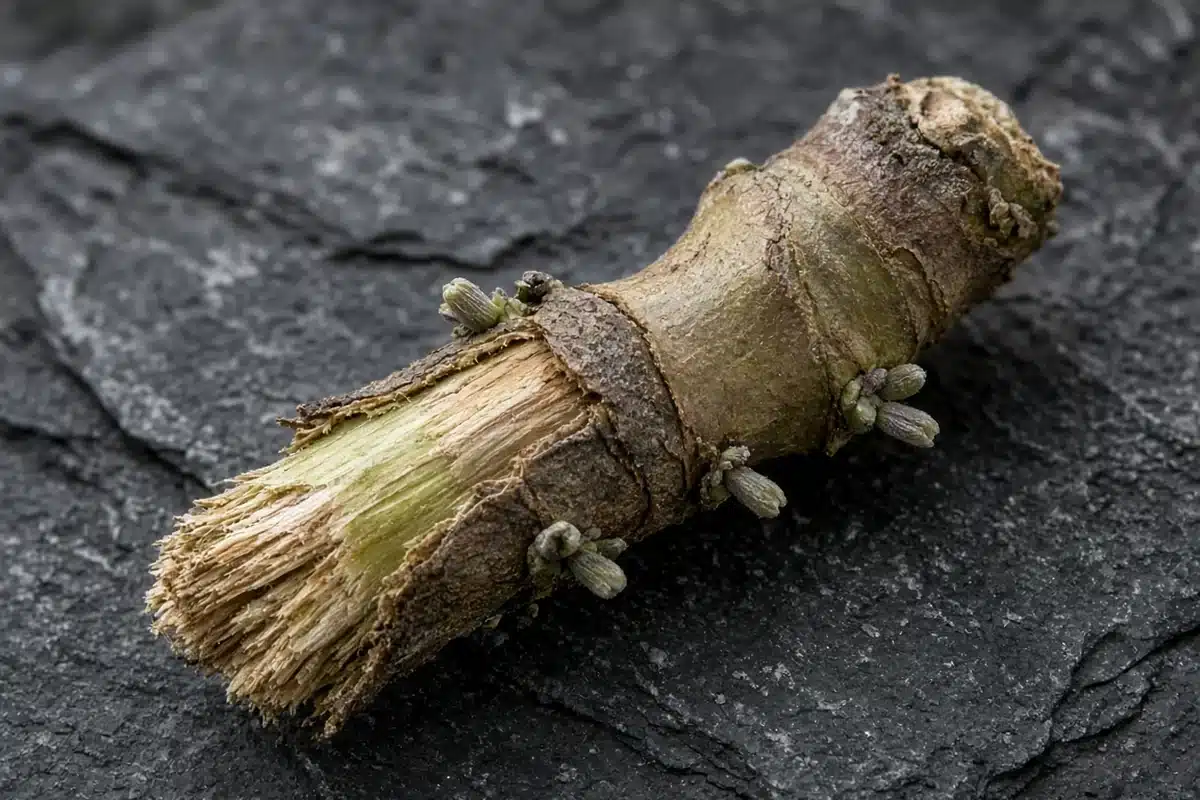
Trim any long tail of bark with clean, sharp pruners. A short heel of about a quarter to half an inch is ideal. Our post on sanitizing pruning shears explains how to clean blades.
Remove lower leaves or needles from the bottom third of the cutting.
How do you root one?
Dip the heel in rooting hormone if desired. Our post on rooting hormone compares powder, gel and liquid types.
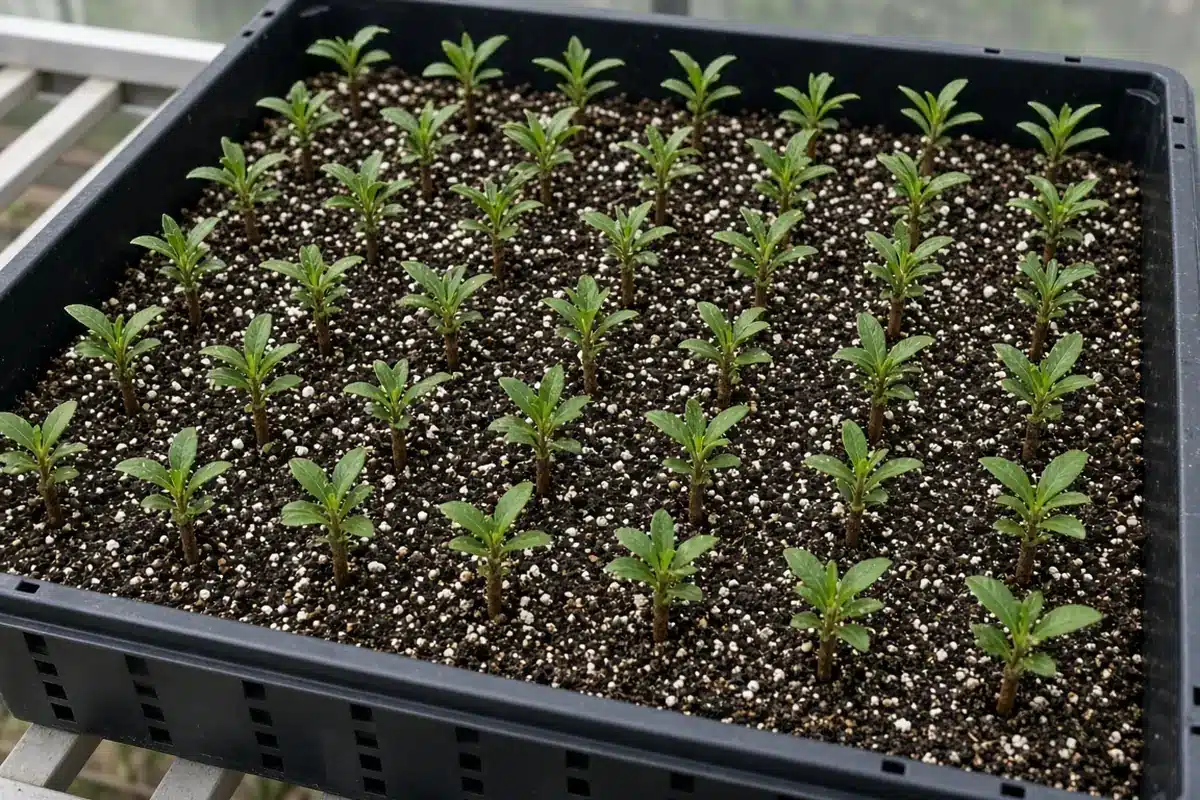
Stick the cutting about an inch deep in moist rooting medium. Perlite, coarse sand or a peat and perlite mix work well.
Firm the medium around the base and set it in bright, indirect light.
Cover with a clear dome or bag to hold humidity. Open it daily for air.
Our post on making clones walks through humidity and light setups for rooting cuttings.
The Iowa State University guide to softwood cuttings shares the same core care steps of clean cuts, moist medium and high humidity.
How to: step by step
- Choose a healthy side shoot.
- Pull it down and away from the main stem.
- Trim any long bark tail.
- Remove lower leaves.
- Dip in rooting hormone if desired.
- Stick in moist medium and cover for humidity.
How long does rooting take?
Rooting time depends on the plant and wood maturity. Herbs such as rosemary may root in four to six weeks.
Evergreens often take two to four months. Some root over winter in a cold frame, ready to pot by spring.
Tug gently. If it resists, roots are holding.
Once rooted, move cuttings into small pots. Harden them off slowly before planting outside.
Can you use a knife?
Yes. Some gardeners slice the shoot off with a sharp knife to leave a heel. This gives a cleaner, more controlled cut.
Cut in toward the main stem and out again so a sliver of older wood stays attached.
Troubleshooting
Bark tore too far down the branch. Pull more gently and at a lower angle.
Heel came off without wood. The shoot was too soft. Wait for firmer growth.
Cuttings rot at the base. The medium is too wet. Use more perlite.
No roots after months. Some plants root slowly. Water the medium lightly and wait.
Needles turn brown. Humidity may have dropped. Leave the cover in place.
A strip of old bark can give a slow rooting shrub a better start. Kind Seed Co shares more garden ideas in outdoor growing.
Sources
- Cutting types: heel cuttings, UF/IFAS Plant Propagation, Cutting types
- Propagating shrubs, vines and trees from stem cuttings, Washington State University Extension, Propagating shrubs
- Propagating shrubs and trees from softwood cuttings, Iowa State University Extension, Yard and Garden, Propagating shrubs and trees from softwood cuttings
FAQ
Is a heel cutting better than a regular cutting?
For some woody plants, yes. Easy rooting plants do fine without a heel.
Which shrubs root from heel cuttings?
Juniper, yew, holly, boxwood and rosemary may root well this way.
Can you use a knife?
Yes. A sharp knife can slice a shoot off with a heel.
How long does rooting take?
Herbs may root in weeks. Evergreens can take a few months.
When should heel cuttings be taken?
Many are taken from midsummer to fall, from firm shoots.



