
What Is a Holdfast? Sticky Pads on Boston Ivy plus Creeper
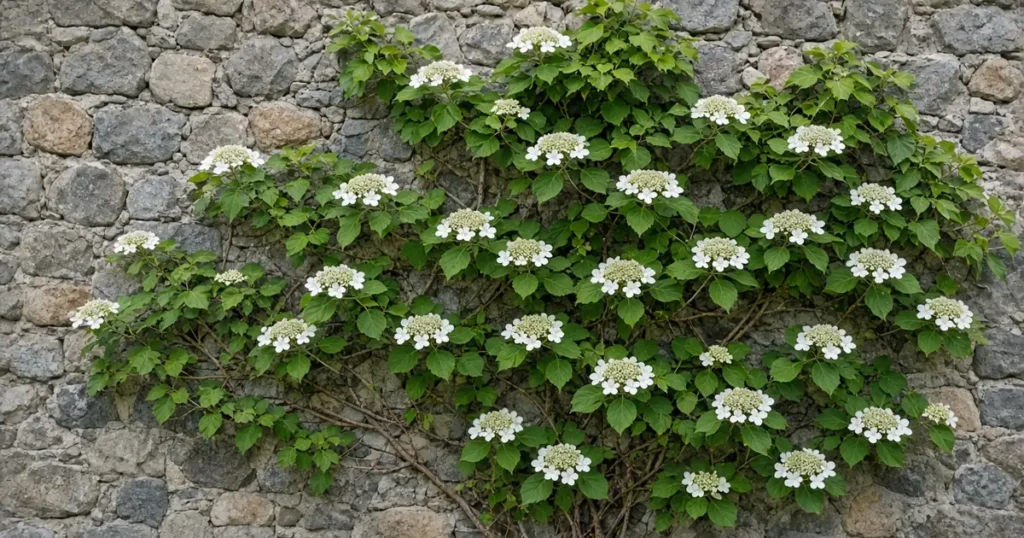
A holdfast is an adhesive disc at the tip of a tendril that lets a vine cling to a wall with no support. NC State Extension notes Virginia creeper clings by adhesive holdfasts, also called sucker disks, at the tendril ends.
The short answer
Holdfasts are small sticky pads on branched tendrils. NC State notes Boston ivy plus Virginia creeper both climb this way. NC State advises against growing them on wood or shingle walls because the holdfasts are hard to remove plus can ruin paint. English ivy climbs by roots instead.

How does a holdfast work?
NC State notes Boston ivy climbs by short branched tendrils with sucker like adhesive discs at the ends. The discs press on a surface plus stick. NC State notes the juvenile form of Boston ivy lacks tendrils.
Which vines use holdfasts?
NC State lists Boston ivy plus Virginia creeper. Boston ivy covers the outfield walls of Wrigley Field. Virginia creeper can grow 30 to 50 feet or more.
| Vine | Climbing method | Source |
|---|---|---|
| Boston ivy | Tendrils with adhesive discs | NC State |
| Virginia creeper | Holdfasts at tendril ends | NC State |
| English ivy | Adventitious roots | NC State |
| Boston ivy height | About 30 feet | NC State |
| Creeper length | 30 to 50 feet or more | NC State |
| Wood walls | Not advised | NC State |
Source: NC State Extension.
How is a holdfast different from an aerial root?
NC State notes English ivy produces adventitious roots for climbing in its juvenile stage. The NC State botany handbook notes many aerial roots are adventitious, meaning they arise from stem tissue. A holdfast forms on a tendril, but an aerial root grows from the stem. NC State notes English ivy can damage painted surfaces plus loose mortar.
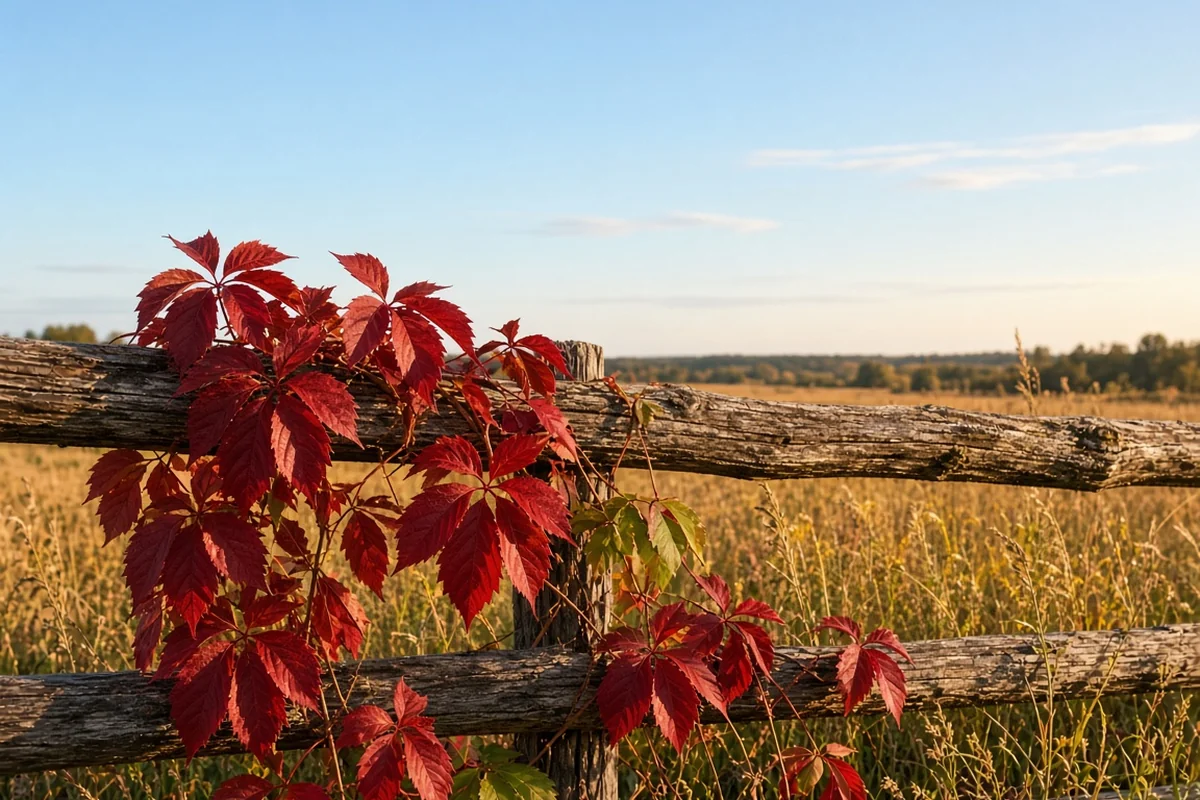
How to: step by step
- Look at where the vine meets the wall.
- Find the tendrils along the stem.
- Check the tendril tips for small discs.
- Look for roots along the stem instead.
- Name discs as holdfasts plus stem roots as aerial roots.
- Check the wall material before letting a vine climb.
Troubleshooting
Pads stuck on a wall: a live vine. NC State notes cutting the vine from the root first lets the pads deteriorate.
No tendrils on new growth: juvenile form. NC State notes young Boston ivy lacks tendrils.
Peeling paint: a wood or shingle wall. NC State advises against these vines on such walls.
For plant parts see cannabis leaf anatomy plus companion plants when growing marijuana. Read growing cannabis near trees plus the effects of environmental stresses on weed plants. Kind Seed Co also stocks cannabis seeds.
Sources
- Parthenocissus tricuspidata (Boston ivy), NC State Extension Gardener Plant Toolbox
- Parthenocissus quinquefolia (Virginia creeper), NC State Extension Gardener Plant Toolbox
- Hedera helix (English ivy), NC State Extension Gardener Plant Toolbox
- Extension Gardener Handbook, chapter 3: botany, NC State Extension
FAQ
Do holdfasts damage walls?
NC State Extension advises against Boston ivy on wood or shingle walls because the holdfasts are hard to remove, can creep under shingles plus ruin paint.
Does English ivy have holdfasts?
No. NC State Extension notes English ivy climbs with adventitious roots rather than tendrils with discs.
Can holdfasts be removed from a painted wall?
NC State Extension notes Virginia creeper holdfasts are difficult to remove plus can ruin painted surfaces.
How do you remove a vine with holdfasts?
NC State Extension notes that if the vine is severed from the root first, the adhesive pads deteriorate so the plant comes off without damage to the wall.
Does young Boston ivy have holdfasts?
NC State Extension notes Boston ivy lacks tendrils in its juvenile form, so the discs come later.



