
What Is a Short Lived Perennial? Plants That Fade
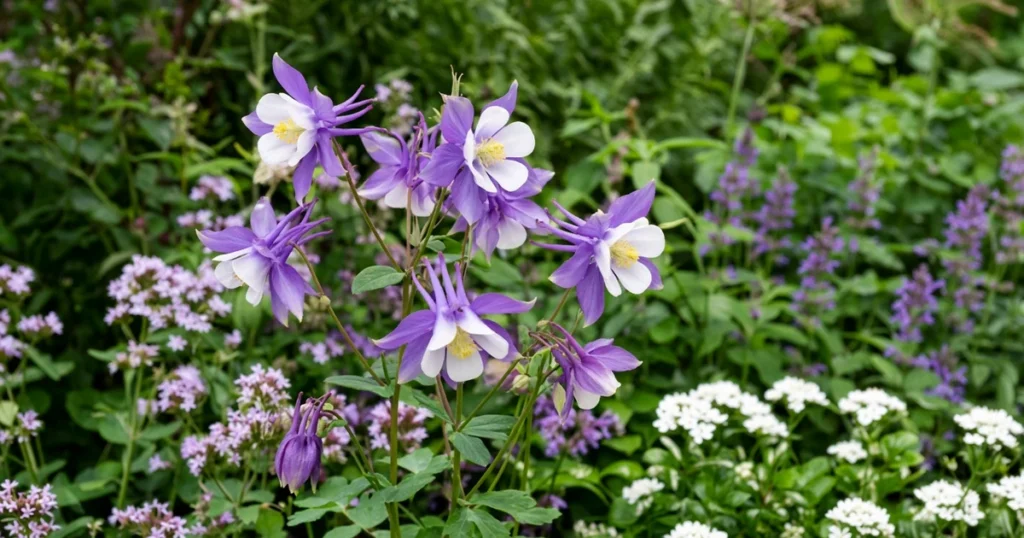
A short lived perennial is a plant that comes back for a few years and then declines. Iowa State University Extension describes these perennials as growing well a few years before fading. Common examples include columbine, coral bells, Shasta daisy plus lupine. Many replace themselves by reseeding.
The short answer
A short lived perennial grows well for a few years and then declines. Iowa State University Extension lists columbine, delphinium, blanket flower, coral bells, Shasta daisy plus lupine among them. University of Missouri Extension notes columbine reseeds easily, so new plants often fill in as the older ones fade.
Which perennials are short lived?
Iowa State University Extension lists many perennials that grow well a few years then decline.
| Plant | Note | Source |
|---|---|---|
| Columbine | Fairly short lived plus reseeds easily | University of Missouri Extension |
| Delphinium | Grows well a few years then declines | Iowa State University Extension |
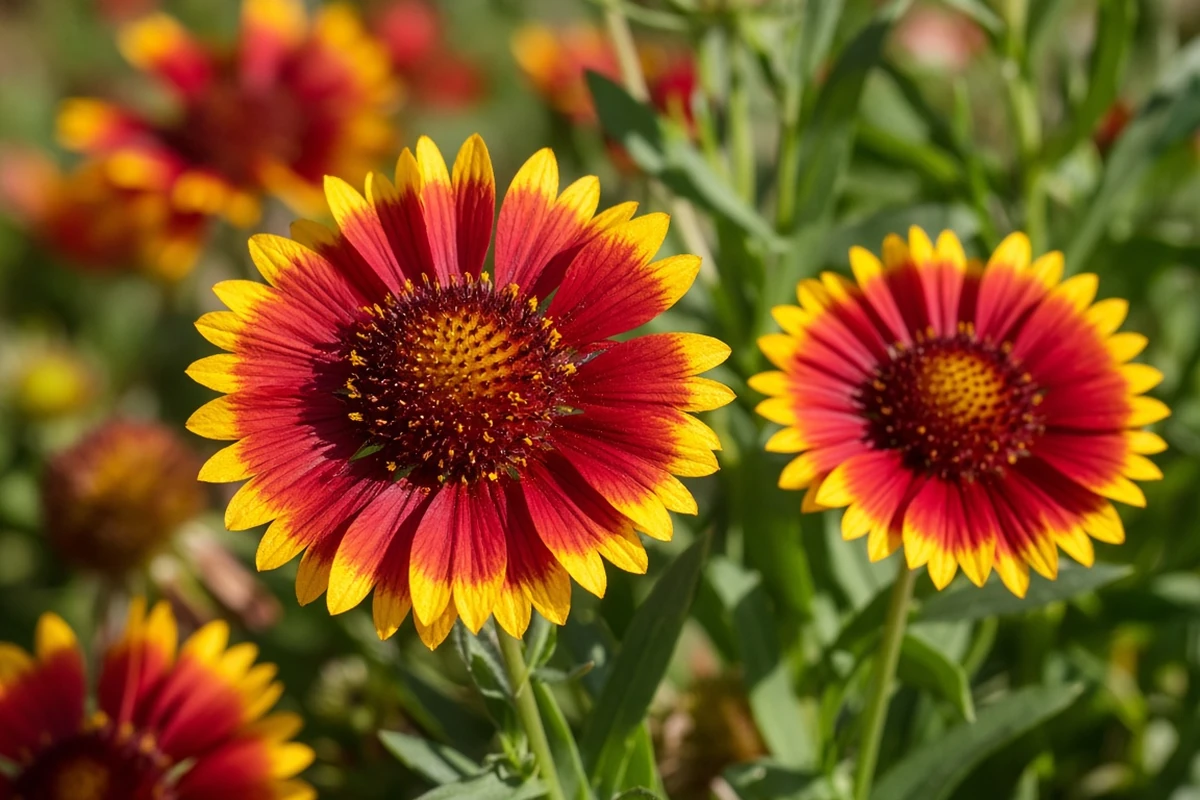
| Blanket flower | Grows well a few years then declines | Iowa State University Extension |
| Coral bells | Grows well a few years then declines | Iowa State University Extension |
| Shasta daisy | Grows well a few years then declines | Iowa State University Extension |
Source: Iowa State University Extension plus University of Missouri Extension.
Why do some perennials fade?
Some perennials simply have a shorter natural life. University of Missouri Extension notes standing water damages perennials. University of Minnesota Extension notes a plant dying out in the middle or making smaller flowers is a sign it needs dividing.
How do you extend short lived perennials?
University of Missouri Extension notes columbine reseeds easily, so leaving some seed heads lets new plants fill in. University of Minnesota Extension advises dividing when the center dies out. It advises dividing spring plus summer bloomers in fall, 4 to 6 weeks before freeze.
How to: step by step
- Learn which plants in the bed are short lived.
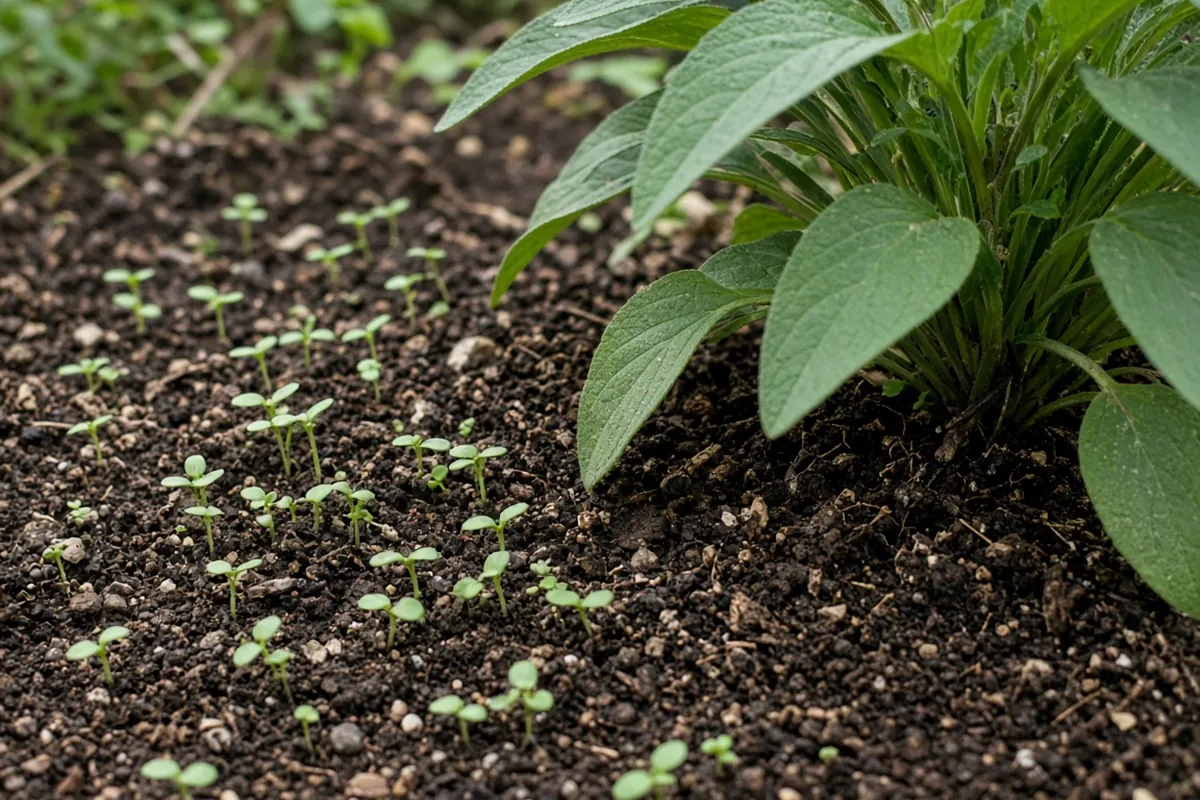
- Leave some seed heads on reseeding plants.
- Watch for a dead center or smaller flowers.
- Divide on a cloudy day.
- Divide fall bloomers in spring plus others in fall.
- Replace plants that do not return.
Troubleshooting
Plant dying out in the middle: the clump has aged. University of Minnesota Extension advises dividing it.
Flowers getting smaller: the plant is crowded. Divide it in the right season.
Plants lost over winter: the soil may hold standing water. Move plants to a spot that drains.
For related reading see life cycle of a marijuana plant, make cannabis clones plus companion plants when growing marijuana. Kind Seed Co also stocks cannabis seeds.
Sources
- Which perennials tend to be short lived?, Iowa State University Extension
- Flowering perennials: characteristics and culture (G6650), University of Missouri Extension
- Gardening terms defined, University of Illinois Extension
- Dividing perennials, University of Minnesota Extension
FAQ
Is a short lived perennial the same as a biennial?
No. University of Illinois Extension notes a biennial completes its life cycle in two years while a perennial lives more than two years. A short lived perennial lasts a few years. University of Missouri Extension notes sweet William is a biennial that self sows, so it can look perennial.
Do short lived perennials reseed?
Many do. University of Missouri Extension notes columbine is fairly short lived but reseeds easily. Letting a few flowers set seed allows young plants to come up as older ones decline. Seedlings may not match a named cultivar, so expect some variation in flower color.
Should I deadhead them?
University of Illinois Extension notes deadheading removes spent flowers and can encourage more blooms. For plants you want to reseed, leave some flowers to set seed near the end of the season. Deadhead the rest to extend the bloom while the plant is still growing well.
Are they worth planting?
Yes, for many gardens. Iowa State University Extension lists popular plants such as Shasta daisy, coral bells plus columbine in this group. They give good color for a few years. Plan to replace or divide them, or let reseeding plants fill gaps on their own.
Does wet soil shorten their life?
Yes. Per Missouri Extension, standing water damages perennials. Plants that already have a short natural life can be lost sooner in soggy beds. Plant them where water drains away after rain, or in a raised area of the bed, to give them their full few years.



