Bush Variety vs Vining Variety: Two Crop Forms

A bush variety is a compact form of a crop that stands on its own, while a vining variety climbs and needs support. University of Minnesota Extension notes bush beans grow about 2 feet tall with no support. Pole beans are twining vines 6 feet or more that need a trellis.
The short answer
A bush variety stays compact, needs no support plus gives one large harvest. A vining variety climbs a trellis plus produces over a longer season. University of Minnesota Extension notes bush beans reach about 2 feet while pole beans climb 6 feet or more and bear until frost.
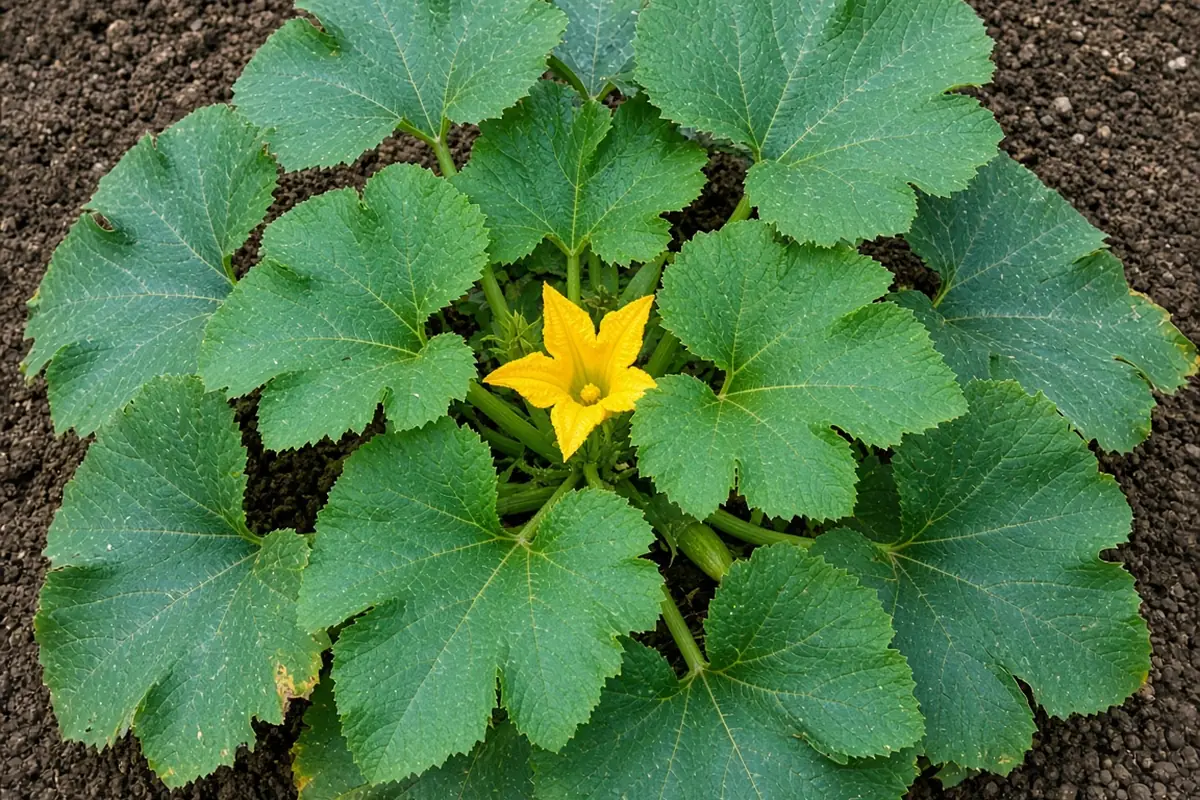
How do bush and vining varieties differ?
University of Minnesota Extension contrasts the two forms of beans.
| Trait | Bush beans | Pole beans |
|---|---|---|
| Height | About 2 feet | 6 feet or more |
| Support | None | Trellis 6 to 8 feet |
| Harvest | One large harvest | All season until frost |
| Maturity | Earlier | Later |
Source: University of Minnesota Extension plus University of Maryland Extension.
Which crops come in both forms?
Beans are the clearest example. University of Maryland Extension notes bush beans mature early while pole beans yield more over a longer period. It notes bush lima beans mature 10 to 15 days earlier than pole limas. University of Wisconsin Madison Extension lists compact varieties for containers.
Which form suits a small garden?
University of Maryland Extension notes pole beans yield more in less ground space because they grow up. Bush beans need no trellis. University of Wisconsin Madison Extension notes compact varieties fit balconies plus decks. Choose by whether you can add a 6 to 8 foot trellis.
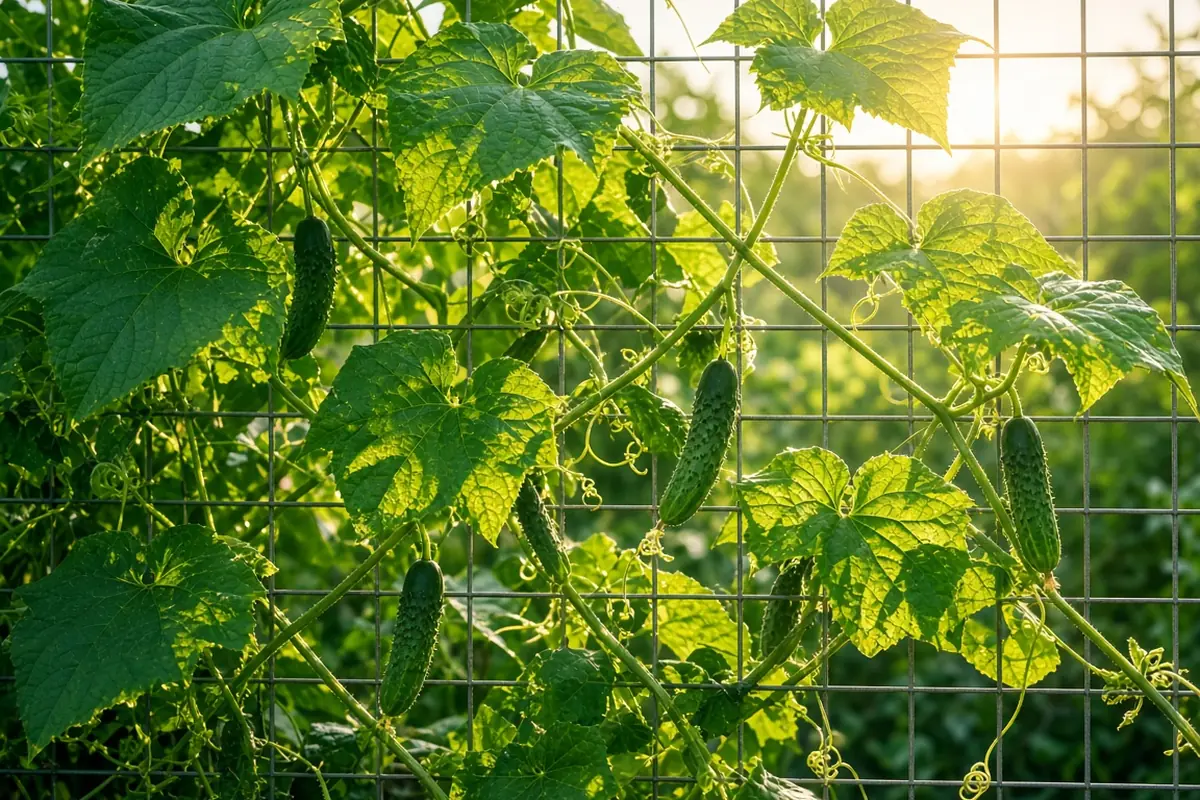
How to: step by step
- Decide if you can add a trellis.
- Choose bush beans for an early single harvest.
- Choose pole beans for a long harvest.
- Set up the trellis before sowing pole beans.
- Sow seeds about 4 inches apart.
- Pick early plus often.
Troubleshooting
Harvest ending too soon: bush beans produce all at once. University of Illinois Extension advises staggering plantings 1 to 3 weeks apart.
Vines sprawling on the ground: pole beans had no support. Add a 6 to 8 foot trellis.
Pods getting tough: beans were left too long. Pick early plus often.
For related reading see planning an outdoor cannabis garden layout, companion plants when growing marijuana plus life cycle of a marijuana plant. Kind Seed Co also stocks cannabis seeds.
Sources
- Growing beans in a home garden, University of Maryland Extension
- Pole vs bush beans, University of Illinois Extension
- Growing beans in home gardens, University of Minnesota Extension
- Vegetable varieties for containers, University of Wisconsin Madison Extension
FAQ
Are bush beans easier than pole beans?
Bush beans need no trellis, which makes them simpler to start. University of Minnesota Extension notes they grow about 2 feet tall with no support. Pole beans need a trellis 6 feet or more but bear all season. The easier choice depends on space plus how long you want to pick.
Do bush beans produce all at once?
Yes. University of Illinois Extension notes bush beans produce over about two weeks. University of Minnesota Extension describes one large harvest. To spread the harvest, sow new rows every two weeks. Pole beans give a steady supply until frost, so they suit gardeners who want beans over a long season.
Do vining crops yield more?
University of Maryland Extension notes pole beans yield more over a longer period in less space than bush beans. Bush beans mature earlier. The total harvest depends on how many bush plantings you make plus how long the pole beans go on bearing in your season before frost ends them.
How far apart should bush beans be sown?
University of Minnesota Extension advises sowing bean seeds about 4 inches apart. Bush plants stay compact so rows can be close. Pole beans go at the base of the trellis. Thin crowded seedlings so each plant gets air plus light as it grows and starts to flower.
How do you stretch a bush bean harvest?
University of Maryland Extension advises succession planting snap beans every 2 to 3 weeks through mid to late July. University of Minnesota Extension advises sowing bush beans every two weeks until early August. Each new row ripens as the last one finishes, giving a steady supply of fresh beans.