What Is a Specimen Plant? A Single Garden Standout
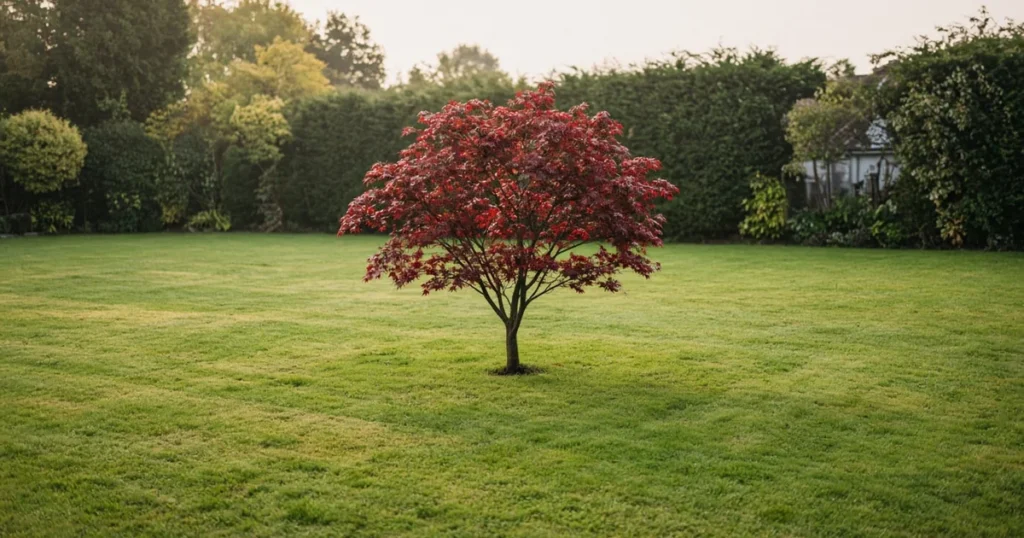
A specimen plant is a single tree or shrub chosen to stand out as a focal point. University of Missouri Extension defines it as a plant used for outstanding ornamental traits. Texas A&M AgriLife Extension notes a specimen can be a character shrub or a beautiful tree that draws the eye.
The short answer
A specimen plant is one tree or shrub placed on its own so its form, flowers, foliage or bark become the focal point. University of Missouri Extension advises no more than one specimen tree in a front garden. Choose one with year round interest plus a mature size that fits the space.
What makes a good specimen plant?
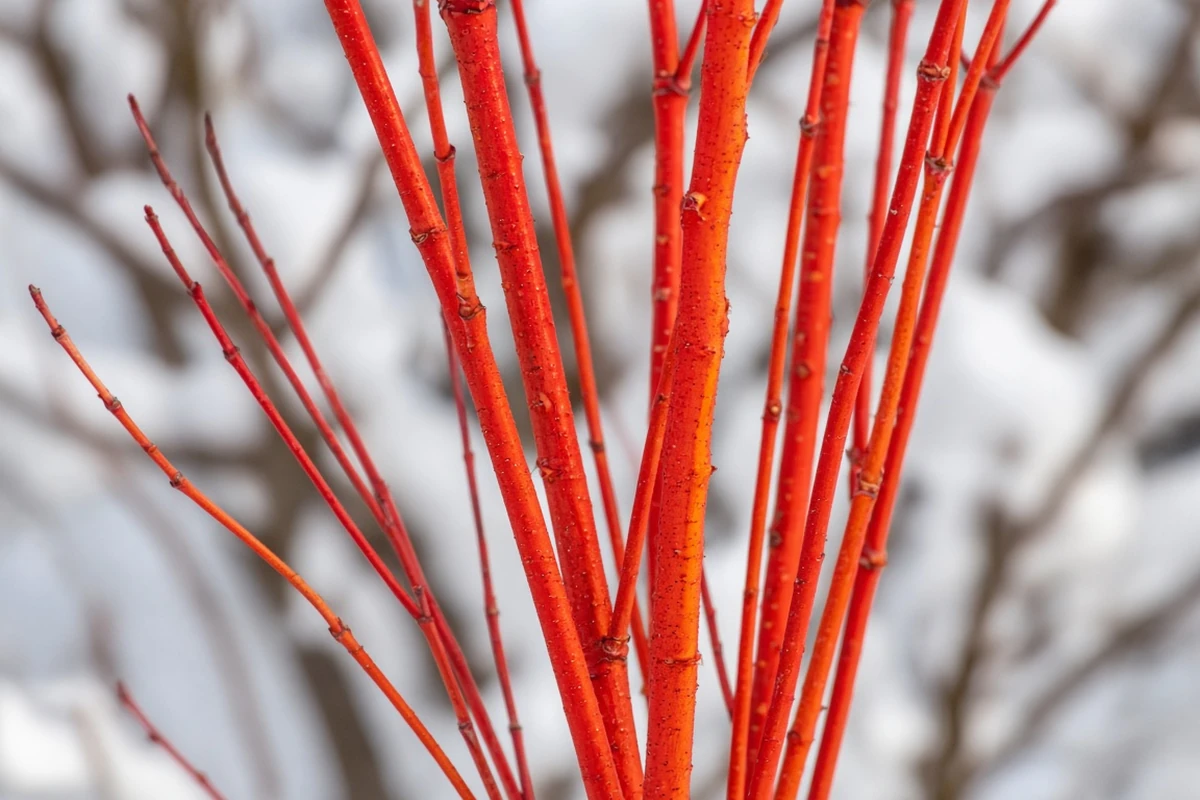
University of Missouri Extension advises a plant with outstanding ornamental traits plus interest through the year. It advises checking mature size first. It notes Colorado blue spruce is popular but grows very large.
| Trait | Why it matters | Source |
|---|---|---|
| Ornamental form or bloom | It draws the eye | University of Missouri Extension |
| Year round interest | It looks good in every season | University of Missouri Extension |
| Mature size that fits | It stays in scale | University of Missouri Extension |
| Accent value | It reads as a focal point | Texas A&M AgriLife Extension |
Source: University of Missouri Extension plus Texas A&M AgriLife Extension.
Where should a specimen plant go?
University of Missouri Extension advises placing a specimen near the front door where it frames the entry. University of Nevada Reno Extension lists a specimen plant alongside a statue, fountain or arbor as a focal point. Place it where the eye lands first from a path or window.
How many specimen plants does a yard need?
Missouri Extension limits a front garden to one specimen tree. Texas A&M AgriLife Extension notes that too many specimens give visual chaos. It also advises against dotting shrubs around the lawn. One focal point per view reads cleanly.
How to: step by step
- Pick the view where the plant will be seen most.
- Check the mature height plus spread.
- Choose a plant with year round interest.
- Place it near the entry or at the end of a sight line.
- Leave clear space around it.
- Hold it to one specimen per view.
Troubleshooting
Garden looks busy: there are too many focal points. Texas A&M AgriLife Extension notes too many specimens give visual chaos.
Plant crowding the house: the mature size was too large for the site. Confirm the mature spread before planting.
Plant gets lost: the spot is not in a main view. Shift the focal point to where the eye lands first.
For related reading see planning an outdoor cannabis garden layout, garden microclimates for cannabis plus growing cannabis near trees. Kind Seed Co also stocks cannabis seeds.
Sources
- Residential landscaping (MG11), University of Missouri Extension
- Earth Kind landscaping: plants, Texas A&M AgriLife Extension
- Landscape design principles build four seasons of interest, University of Nevada, Reno Extension
- Gardening terms defined, University of Illinois Extension
FAQ
Can a perennial be a specimen plant?
University of Missouri Extension describes a specimen as a tree or shrub used as a focal point. Texas A&M AgriLife Extension likewise names character shrubs plus trees. A large perennial can act as an accent, but the term in these sources refers mainly to woody plants that hold their form all year.
Should a specimen plant be in the lawn?
University of Missouri Extension advises against dotting shrubs around the lawn. It advises placing a specimen near the door or entry so it ties into the house. A single tree set apart can work in a lawn when it anchors the main view rather than sitting at random.
What trees make good specimens?
Texas A&M AgriLife Extension lists crape myrtle, dogwood plus redbud among plants used for accent. University of Missouri Extension notes Colorado blue spruce is popular but very large at maturity. Match the tree to the space plus the region so it stays in scale as it grows.
Can a container plant be a specimen?
Texas A&M AgriLife Extension notes container plantings can serve as specimens when they are scaled to the space. A single large pot by an entry can act as a focal point. Choose a container plus plant that fit the size of the patio or doorway they sit beside.
Why does year round interest matter?
University of Missouri Extension advises choosing a specimen with interest through the year. A focal point is seen in every season, so flowers alone may not carry it. Bark, form, fall color or evergreen foliage give the plant something to show in winter as well as summer.