
What Is Heterostyly? Pin and Thrum Flowers Explained
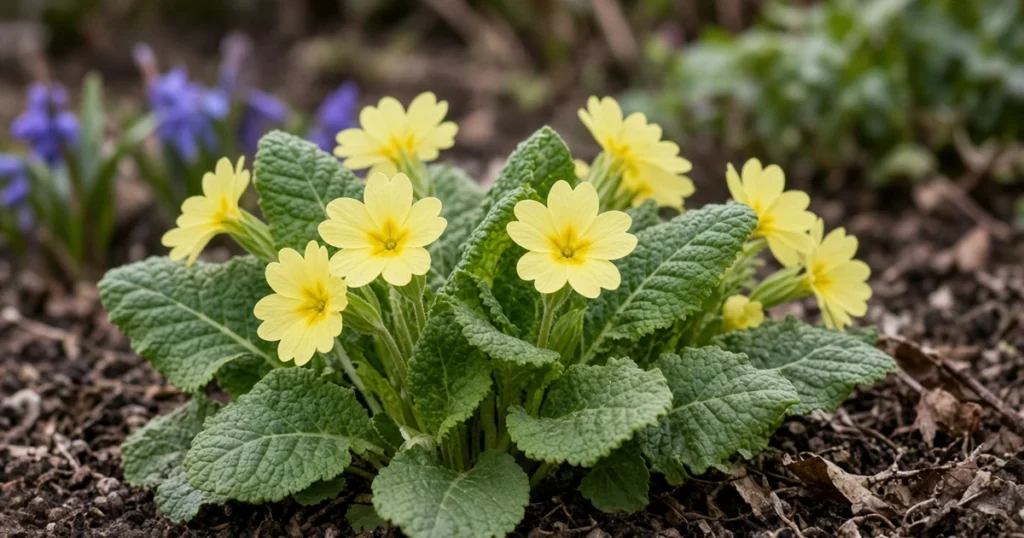
Heterostyly is when plants of one species carry flowers with different style lengths. UC Berkeley describes the two form version, distyly, with pin and thrum flowers on separate plants.
The short answer
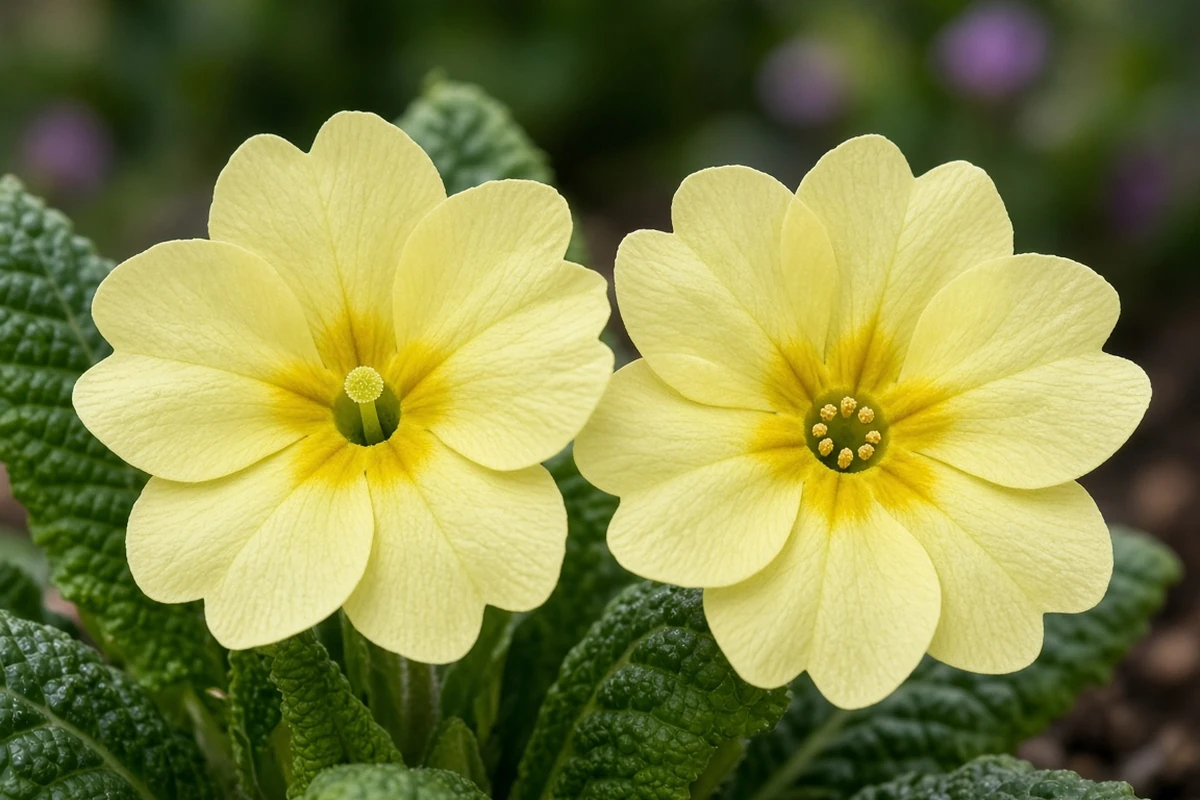
In heterostyly, some plants have pin flowers with long styles and short stamens, and others have thrum flowers with short styles and long stamens. One form’s pollen suits the other, so the system favors pin by thrum crosses over crosses within one form.
What is heterostyly?
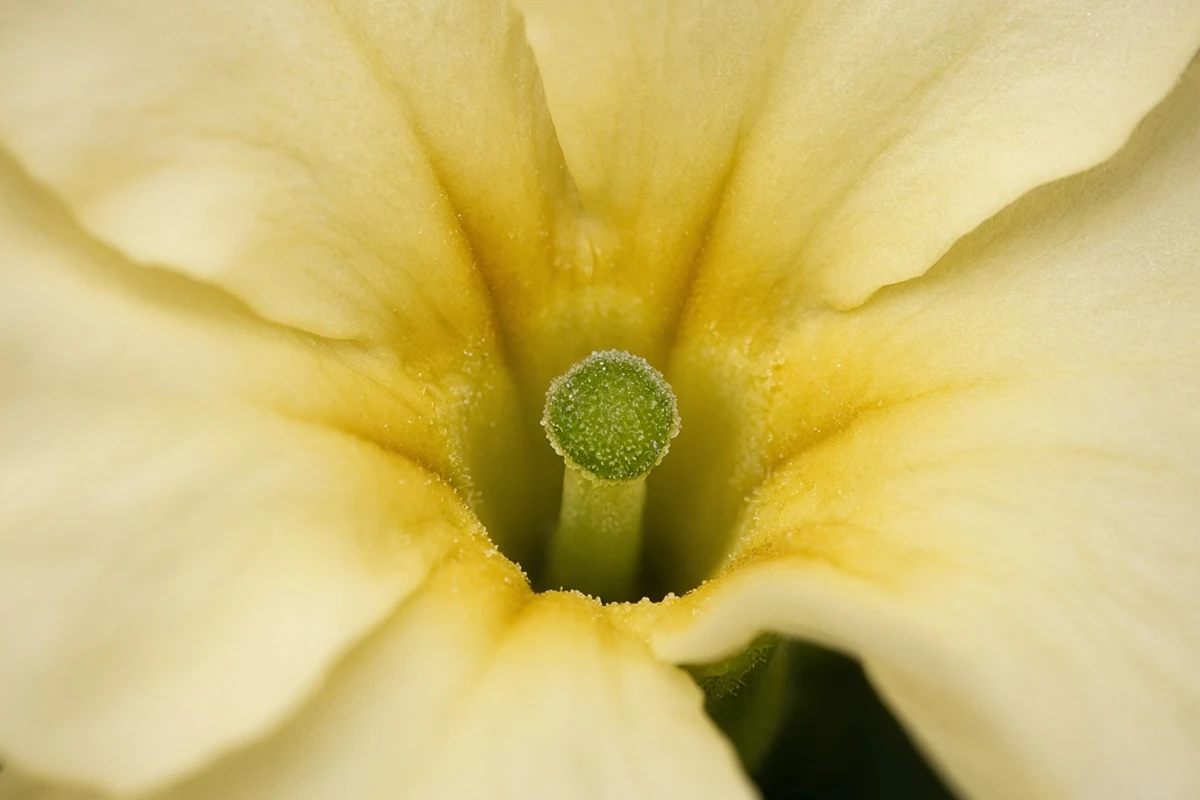
NC State Extension explains that the style holds the stigma above the ovary and that stamens carry the anthers. In heterostyly those heights differ between plants, and UC Berkeley calls the two form case distyly. Read cannabis leaf anatomy for more on plant parts.
What are pin and thrum flowers?
UC Berkeley defines pin flowers by long styles and short stamens, and thrum flowers by short styles and long stamens, on different plants. Look into the flower center: a single knob suggests pin and a ring of anthers suggests thrum.
How does heterostyly favor cross pollination?
UC Berkeley says pin to pin and thrum to thrum crosses are incompatible, while pollen placement on pollinators favors pin by thrum crosses. The US Forest Service describes pollinators carrying pollen between flowers, a theme in what roles do bees play in outdoor cannabis. Bee plants also feature in companion plants when growing marijuana.
Pin and thrum compared
| Trait | Pin | Thrum |
|---|---|---|
| Style | Long | Short |
| Stamens | Short | Long |
| Top of flower | Stigma | Anthers |
| Good cross | With thrum | With pin |
Sources: UC Berkeley Integrative Biology, NC State Extension, US Forest Service.
How to: step by step
- Find several primrose plants in bloom.
- Look into the center of each flower.
- Note whether you see a knob or a ring of anthers.
- Sort plants into pin or thrum types.
- Count each type in the patch.
- Watch which insects visit.
Troubleshooting
Can’t tell types: hard to see. Use a hand lens.
All one type: small patch. Check more plants.
Flowers faded: late. Check in early spring.
Kind Seed Co shares more botany notes on the blog.
Sources
- Pollination key concepts (IB 168 lecture 15), UC Berkeley Integrative Biology
- Primula vulgaris (primrose), NC State Extension Gardener Plant Toolbox
- Extension Gardener Handbook, chapter 3: Botany, NC State Extension
- What is pollination?, US Forest Service
FAQ
What does pin mean?
UC Berkeley describes pin flowers as having long styles and short stamens, so the stigma sits at the top like a pin head.
What does thrum mean?
UC Berkeley describes thrum flowers as having short styles and long stamens, so the anthers form the top ring.
Do all primroses have heterostyly?
Extension sources don't say. The NC State primrose page describes pale yellow, fragrant flowers that draw bees but doesn't mention style length.
Can pin and thrum plants cross?
Yes. UC Berkeley says pin by thrum crosses work, while pin to pin and thrum to thrum crosses are incompatible.
How is heterostyly different from herkogamy?
UC Berkeley describes herkogamy as spatial separation of anthers and stigma in one flower. Heterostyly instead splits style length across plants.



