
Artichoke Not Forming Buds: Chill Hours plus Heat
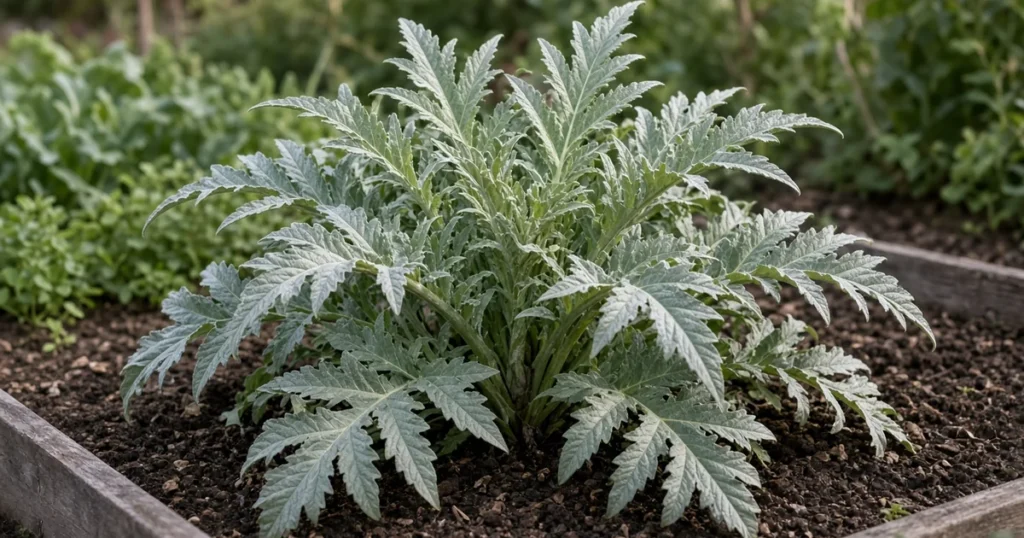
An artichoke not forming buds has usually missed the cool spell it needs to start a flower stalk. University of Maine Cooperative Extension notes first year plants need vernalization, while Utah State University Extension notes plants may not flower when it is hot during flower stalk formation.
The short answer
Artichokes need a chilling period to start flower stalks. University of Maine Extension notes most varieties need about 500 hours between 35°F and 50°F for reliable bud production. Utah State advises planting 3 to 4 weeks before the frost free date, since cool spring weather starts the flower stalk. Heat can also stop flowering.
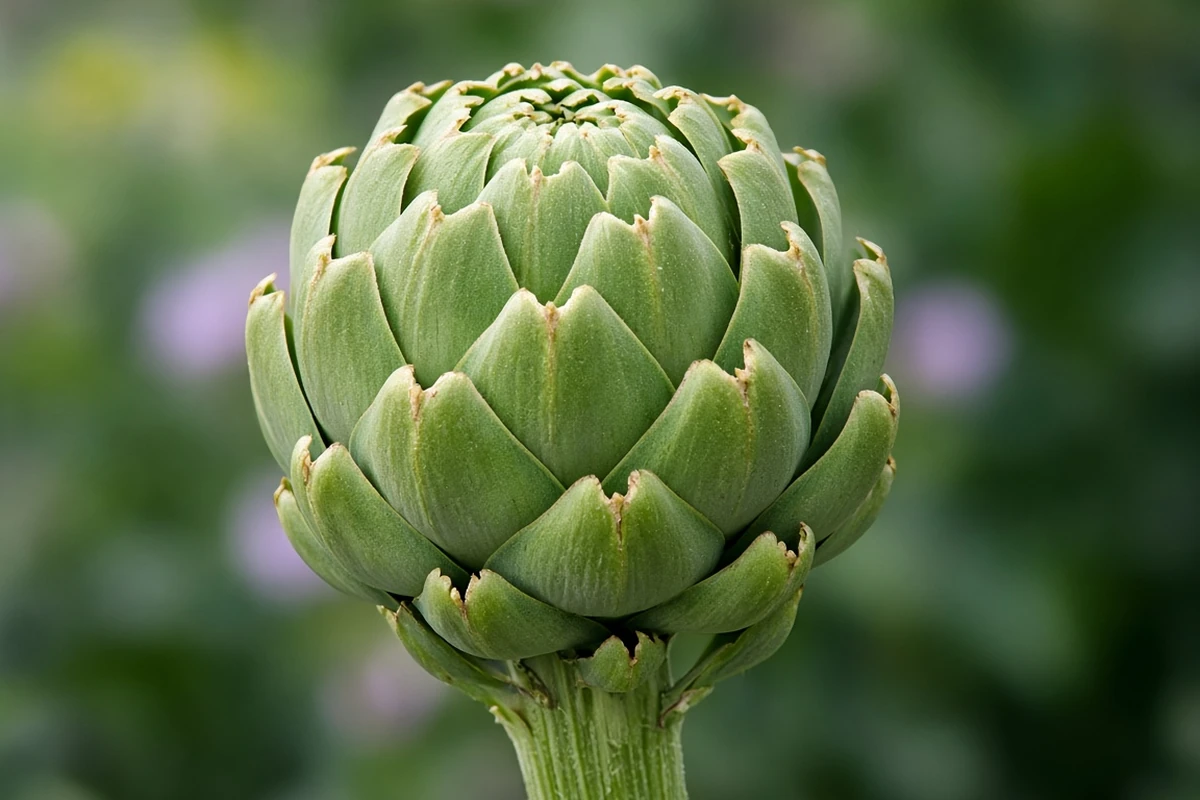
Why won’t my artichoke make buds?
Utah State notes some plants will not flower if they did not receive enough chilling, plus hot weather during flower stalk formation can stop flowering. Maine notes temperatures above 80°F can undo vernalization in young plants.
| Cause | Sign | Fix | Source |
|---|---|---|---|
| Too little chill | Leafy plant with no flower stalk | Plant earlier or chill transplants | Maine |
| Heat over 80°F on young plants | Plant stays leafy | Grow seedlings cooler | Maine |
| Hot weather at stalk formation | No flowers this year | Transplant early in spring | Utah State |
| Dry soil | Slow growth | 1 to 2 inches of water a week | Utah State plus Maine |
What is vernalization?
Maine describes vernalization as cool temperatures that ensure first year bud production. It lists three methods: seed stratification, a cold chamber for young transplants or early spring transplanting. For stratification, soak seeds for 2 days, then hold them in moist sphagnum in a refrigerator for 4 weeks.
Do first year artichokes bloom?
They can with enough chill. Maine raises artichokes as annuals from transplants. NC State Extension notes annual plants may not have enough time to grow before flowering, so early starts matter. Utah State rates Imperial Star as excellent as an annual crop.
How to: step by step
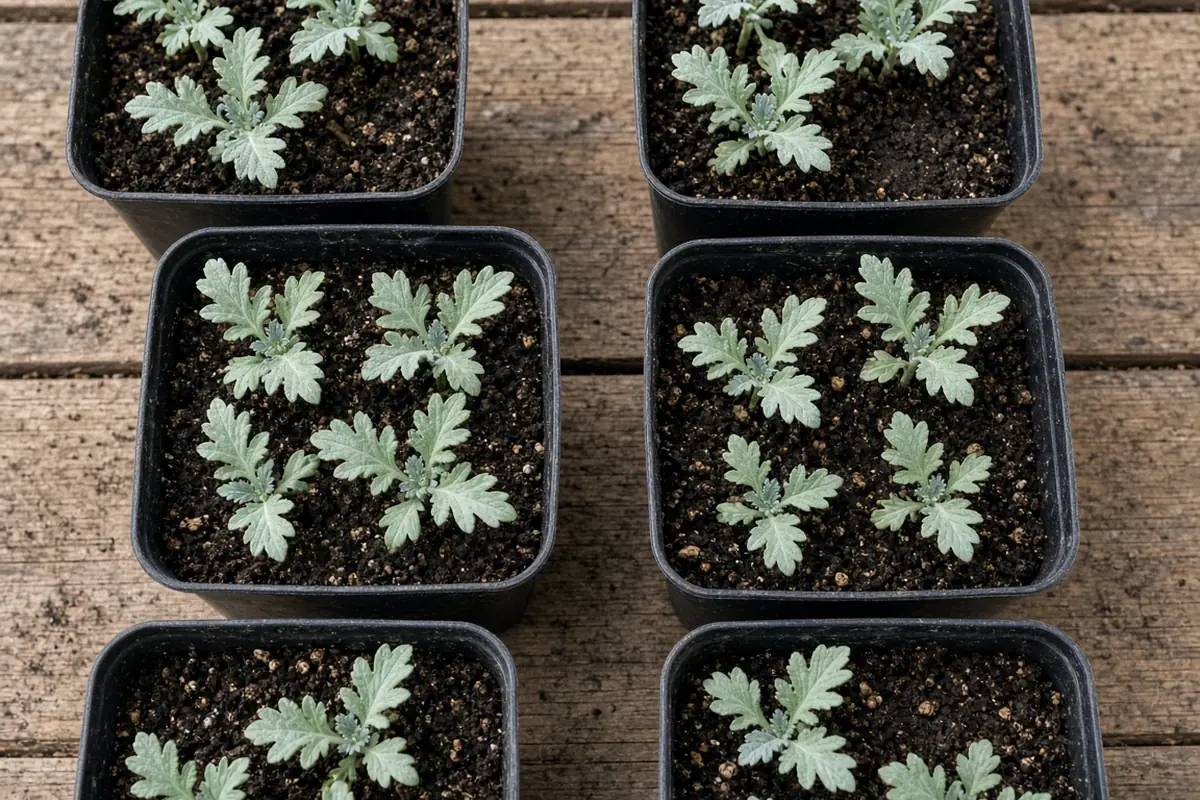
- Start seeds indoors in early January, since Utah State notes transplants take 2 to 3 months to reach size.
- Grow seedlings below 80°F so they hold their chill.
- Harden off transplants first.
- Transplant 3 to 4 weeks before the frost free date.
- Mulch 2 to 3 inches deep plus water 1 to 2 inches a week.
- Harvest firm buds before the bracts open.
Troubleshooting
Big leaves with no buds: not enough chill. Plant earlier next year or use a cold chamber.
Flower stalk stalls in heat: Utah State notes hot weather during stalk formation can stop flowering. Transplant earlier.
Weak plants in dry spells: Utah State notes artichokes have shallow roots plus do not tolerate hot, dry conditions. Soak deeply plus mulch.
For plant stress see the effects of environmental stresses on weed plants, frost damage on cannabis plus underwatering cannabis. Kind Seed Co also stocks cannabis seeds.
Sources
- Growing globe artichokes in Maine (Bulletin 2075), University of Maine Cooperative Extension
- How to grow artichoke in your garden, Utah State University Extension
- Cynara cardunculus (globe artichoke), NC State Extension Gardener Plant Toolbox
- Starting seeds indoors, University of Minnesota Extension
FAQ
How many chill hours do artichokes need?
University of Maine Extension notes most varieties need about 500 hours between 35°F and 50°F for reliable bud production, though varieties differ. Gardeners can reach this through seed stratification, a cold chamber for young transplants or early spring transplanting before warm weather arrives in late spring.
Can artichokes be grown as annuals?
Yes. Maine Extension grows artichokes as annuals from transplants because they are not cold hardy enough to survive its winters reliably. Utah State rates Imperial Star as excellent as an annual crop. NC State notes annual plants may not have enough time to grow before flowering.
When are artichoke buds ready to harvest?
Utah State advises harvesting buds when they reach full size but before the bracts open. Harvest runs from late July or early August until frost. Maine also advises cutting firm buds before the bracts open, since each flower stalk gives one main bud plus smaller side buds.
Will an artichoke bloom again next year?
Perennial plants can, though Utah State notes artichokes are frost sensitive plus need cover to overwinter outdoors. Maine notes container plants can be cut back after a hard frost plus stored in the dark at 32°F to 35°F through winter, then brought back out in spring.
How much water do artichokes need?
Utah State plus Maine both advise 1 to 2 inches of water a week. Maine notes artichokes prefer evenly moist soil plus do not tolerate drought. Utah State advises avoiding water stress once buds form, plus a 2 to 3 inch layer of mulch helps hold soil moisture.



